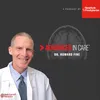
Cerebral Organoids Provide New Strategy to Personalize Glioblastoma Treatment
On this episode of Advances in Care, Erin Welsh is joined by Dr. Howard Fine, a neuro-oncologist at NewYork-Presbyterian and director of the Brain Tumor Center at Weill Cornell Medicine, to explore his pioneering research on glioblastoma, the most common and aggressive form of brain cancer. Glioblastoma has long resisted meaningful therapeutic progress. When Dr. Fine began working in this field, the median survival after diagnosis was just 12-13 months. Forty years later, there’s been little progress made to meaningfully extend life for glioblastoma patients, despite concerted research efforts. Unlike many other cancers, glioblastoma cells diffusely infiltrate the brain, making complete surgical removal and targeted chemotherapy extremely difficult, thus limiting the effectiveness of traditional cancer treatment approaches. Dr. Fine’s work aims to fundamentally change how glioblastoma is studied and treated. His lab is bioengineering human embryonic stem cells to form cerebral organoids - also called mini brains - which exhibit similar characteristics to a human brain. Through a platform they’ve created called GLICO, his team can develop genetically matched, patient-specific models that incorporate a patient’s own immune cells and glioma stem cells, allowing researchers to screen various drug therapies and map how an individual patient’s glioma might progress. By combining these personalized glioblastoma models with artificial intelligence and machine learning, Dr. Fine’s goal is to build a future care model where clinicians can identify patient-specific therapies and test treatments before they reach the bedside, ultimately transforming glioblastoma into a more manageable disease. Chapters: [00:00 - 07:13] Past Research and Treatment for Glioblastoma Dr. Fine and Erin discuss his history in researching and treating glioblastoma. [07:13-10:54] Reframing Glioblastoma Dr. Fine explains how glioblastoma differs from other types of cancers and why traditional approaches haven’t improved outcomes. [10:54-14:46] GLICO and Glioblastoma Cerebral Organoids Dr. Fine describes the GLICO platform he’s pioneering, and how advancements in cerebral organoids open new pathways for treatment strategies. [14:46-18:34] Shifting the Paradigm Dr. Fine shares his research goals to accommodate this new biological understanding of glioblastoma and how it could transform the condition into a manageable disease and improve survivorship. [18:35-18:59] Credits *** Howard A. Fine, M.D., is the founding Director of the Brain Tumor Center at NewYork-Presbyterian/Weill Cornell Medicine and Associate Director for Translational Research at the Sandra and Edward Meyer Cancer Center. Over his career, he has built multidisciplinary brain tumor programs at leading institutions including the National Institutes of Health and Dana-Farber Cancer Institute/Harvard Medical School. He has cared for nearly 20,000 patients with brain and spinal cord tumors, led more than 100 clinical trials, and authored over 250 publications. His laboratory has operated continuously for more than two decades, focusing on the genetic and molecular drivers of brain tumors. Today, his research centers on developing patient-specific tumor models, creating genetically precise replicas of individual brain tumors to better predict disease behavior and enable real-time drug screening tailored to each patient. At WCM, he leads a multidisciplinary team dedicated to delivering highly personalized neuro-oncology treatment plans. For more information visit nyp.org/Advances
Podzilla Summary coming soon
Sign up to get notified when the full AI-powered summary is ready.
Free forever for up to 3 podcasts. No credit card required.
Listen to This Episode
More from Advances in Care

Research Reveals Potential Causes Behind the Rise in Early-Onset Colon Cancer
Exploring Psychedelics as the Next Wave of Psychiatric Innovation
GUARDIAN Screening Panel Expands Early Detection for Rare and Treatable Diseases
Groundbreaking Gene Therapy Restores Natural Hearing for Genetic Deafness
Get summaries like this every morning.
Free AI-powered recaps of Advances in Care and your other favorite podcasts, delivered to your inbox.
Free forever for up to 3 podcasts. No credit card required.