Free Daily Podcast Summary
Century Lives: Daily Summaries Delivered
by Stanford Center on Longevity
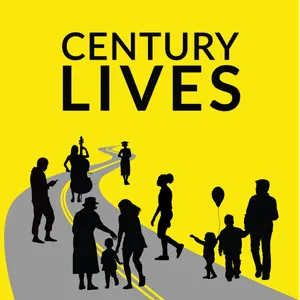
Do rules created when most people lived only to 50 or 60 still make sense when more and more people live to 100? Longer lives are among the most remarkable achievements in all of human history — and the greatest challenge of the 21st century. How can we ensure that our lives are not just longer, but healthy and rewarding as well? Century Lives ventures into the world of education, work, healthcare, housing, and more to explore how our future as a population of centenarians has already begun.
Latest Episodes
The most recent episodes — sign up to get AI-powered summaries of each one.
- Jul 8, 202624 min
Treatment
We’re an aging nation. By 2050, for the first time ever, Americans over age 60 will outnumber those aged 10 to 24. Older adults increasingly prefer aging in place, so the need for technologies that support activities of daily living, mobility, and social connection is growing. In Century Lives: The AgeTech Revolution, we travel to the Consumer Electronics Show in Las Vegas, where we and 150,000 of our closest friends scope out the technologies that claim they will improve our lives as we grow older. We ask: What do we want our final quarter of life to look like? And can the AgeTech industry actually improve the ways we live our longer lives? Experts and innovators alike are betting on the future of hospital care. Many of them say it won’t take place in a hospital at all. Instead, hospital care will be brought to patients in their homes. So in this episode, we ask: Is the home the new hospital for older adults? Is a healthcare revolution headed our way? Some experts are not so certain.
- Jun 24, 202623 min
Prevention
We’re an aging nation. By 2050, for the first time ever, Americans over age 60 will outnumber those aged 10 to 24. Older adults increasingly prefer aging in place, so the need for technologies that support activities of daily living, mobility, and social connection is growing. In Century Lives: The AgeTech Revolution, we travel to the Consumer Electronics Show in Las Vegas, where we and 150,000 of our closest friends scope out the technologies that claim they will improve our lives as we grow older. We ask: What do we want our final quarter of life to look like? And can the AgeTech industry actually improve the ways we live our longer lives? The population of older patients is growing. Within a decade, there will not be enough providers to care for them. So what if older adults can monitor their own health, and actually prevent disease before treatment is needed? In this episode, we explore digital health innovations at CES — and learn that the future of disease prevention technologies has a lot more in store than step counters and smart watches.
- Jun 10, 202631 min
Helping Hands & Hard Drives
There is a caregiving crisis in America. We simply don’t have enough caregivers to support the number of older adults who need help because of a chronic, disabling, or serious health condition. Most of that work is unrecognized and unpaid. And the situation is only getting worse as the population ages. Many experts argue that only technology can save us, with devices that can carry out caregiving tasks formerly done by humans. In this episode, we tour the aisles of The Consumer Electronics Show with Davis Park, Vice President of Transformation at a non-profit called Front Porch, to find out whether the tech cavalry is indeed on the way. His job is to evaluate and implement emerging technologies that can improve quality of life at the 20 Front Porch retirement communities in California and Florida.
- May 27, 202641 min
Your Brain on Tech
We’re an aging nation. By 2050, for the first time ever, Americans over age 60 will outnumber those aged 10 to 24. Older adults increasingly prefer aging in place, so the need for technologies that support activities of daily living, mobility, and social connection is growing. In Century Lives: The AgeTech Revolution, we travel to the Consumer Electronics Show in Las Vegas, where we and 150,000 of our closest friends scope out the technologies that claim they will improve our lives as we grow older. We ask: What do we want our final quarter of life to look like? And can the AgeTech industry actually improve the ways we live our longer lives? Over the past 20 years, researchers have shown that certain types of physical and mental exercise can help stave off dementia and other forms of cognitive decline. In this episode, we look at how innovators are turning to tech-based activities to maximize brain health in aging adults. And we visit a retirement community in Maryland that has developed an innovative program called Kinnections, which uses high-tech games to make the process more fun and effective.
- May 13, 202635 min
Robot Pets: Holograms and the Future of Loneliness
New research indicates that loneliness is again on the rise. And people over 60 are spending more time online and with their own personal devices. But if technology pulled us apart - can it also put us back together? Today we meet a new generation of robot companions that are designed to fix loneliness.
- Apr 29, 202627 min
Moving Forward
We’re an aging nation. By 2050, for the first time ever, Americans over age 60 will outnumber those aged 10 to 24. Older adults increasingly prefer aging in place, so the need for technologies that support activities of daily living, mobility, and social connection is growing. In Century Lives: The AgeTech Revolution, we travel to the Consumer Electronics Show in Las Vegas, where we and 150,000 of our closest friends scope out the technologies that claim they will improve our lives as we grow older. We ask: What do we want our final quarter of life to look like? And can the AgeTech industry actually improve the ways we live our longer lives? For aging adults, a loss of mobility often means the end of freedom and independence. In this episode, we talk to innovators who are developing exoskeletons and other robotic devices that rely on AI to help people move better and longer. We focus particularly on a company called Dephy, which makes sneakers that boost your ability to walk. The company’s founder describes them as e-bikes for your feet.
- Apr 15, 202658 min
Where Should I Live?: A Call-In Special
By 2030, every Baby Boomer will be 65 or older. Many of these older adults will live alone and on limited incomes, and many will have mobility and other health challenges. This so-called “silver tsunami” is here to stay, and the math is ominous. The nation already has a housing shortage—and a senior-care shortage. On the plus side, many of these older folks will be healthier and more active, engaged, and tech-savvy than their peers in prior generations. But since their housing needs and preferences will also differ from those of their predecessors, new questions and challenges will arise. On Century Lives: The Home Stretch, we explore signs of hope and inspiration in communities where housing innovations for older adults are already afoot. We open our final episode of the season to housing questions from our listeners. How do I adjust to living in my adult child’s home? What are the benefits of living in a senior housing community on a college campus? Do I stay near my friends, or move to where relatives can help with my care? Fielding questions for the hour are host Ken Stern and renowned “place planning” expert Ryan Frederick.
- Apr 1, 202640 min
Capably Aging in Place
By 2030, every Baby Boomer will be 65 or older. Many of these older adults will live alone and on limited incomes, and many will have mobility and other health challenges. This so-called “silver tsunami” is here to stay, and the math is ominous. The nation already has a housing shortage—and a senior-care shortage. On the plus side, many of these older folks will be healthier and more active, engaged, and tech-savvy than their peers in prior generations. But since their housing needs and preferences will also differ from those of their predecessors, new questions and challenges will arise. On Century Lives: The Home Stretch, we explore signs of hope and inspiration in communities where housing innovations for older adults are already afoot. The ability of older adults to age in place at home and their community can be threatened by a single fall or mobility challenge. But sometimes the difference between a house that’s manageable and safe and one that’s not comes down to small things, like a grab bar, a hand railing, a rug that’s tacked down, or a robotic vacuum. Fifteen years ago, a nurse at Johns Hopkins University in Baltimore came up with a unique, low-cost approach to making these kinds of changes in seniors’ homes, and it’s now a nationwide program called CAPABLE. The savings they’ve proven in hospitalizations and nursing home costs are astounding. As they like to say: Home is where the health is.
Get Century Lives summaries in your inbox
Free AI-powered daily recaps. Key takeaways, quotes, and mentions — in a 5-minute read.
Get Free Summaries →Free forever for up to 3 podcasts. No credit card required.
You Might Also Like
Listeners also like.

Fully Alive: Unlocking the secrets to your healthier, happier, longer life
Explores science and lifestyle strategies to enhance health, purpose, and longevity.
How to Age Up
Explores the science of aging and examines whether cultural narratives align with current research.

The Dan Buettner Podcast
Shares practical habits and insights from the world’s longest-lived populations to improve longevity and well-being.

Skyline Drive: How to Live Forever
A journalist explores the science and ethics of immortality, questioning whether endless life would truly be meaningful.

Ageless Athlete — Healthy Aging for a Strong, Capable Life
Discussions with athletes, scientists, and coaches on maintaining strength, mobility, and endurance for lifelong physical capability.

Extend Podcast with Darshan Shah, MD
Explores science-backed strategies and expert insights to extend healthspan and optimize longevity through actionable health protocols.
LONGEVITY with Nathalie Niddam
Explores science-backed strategies for extending healthspan through nutrition, biohacking, peptides, and emerging longevity research.
The Ultimate Human with Gary Brecka
Discusses health, longevity, and biohacking through interviews with experts, athletes, and celebrities.
Life Kit: Health
Practical, science-based tips for improving health and wellness from NPR experts.

The Genius Life
A health and science journalist explores cutting-edge research and practical strategies for optimizing brain function and overall wellness.

The End Of The World with Josh Clark
A 10-episode exploration of humanity's future, examining existential threats and the challenges of surviving the next 200 years.
Good Life Project
Deep conversations about building a meaningful life through midlife reinventions, grounded in science and human experience.
About Century Lives
Do rules created when most people lived only to 50 or 60 still make sense when more and more people live to 100? Longer lives are among the most remarkable achievements in all of human history — and the greatest challenge of the 21st century. How can we ensure that our lives are not just longer, but healthy and rewarding as well? Century Lives ventures into the world of education, work, healthcare, housing, and more to explore how our future as a population of centenarians has already begun.
Customized Recaps
AI-powered recaps with compact key takeaways, quotes, and insights.
Straight to Your Inbox
Get key takeaways from Century Lives in a 5-minute read.
Save Hours Every Week
Stay current on your favorite podcasts without falling behind.
Frequently Asked Questions
What is Podzilla's Century Lives daily summary?
It's a free AI-powered email that summarizes new episodes of Century Lives as soon as they're published. You get the key takeaways, notable quotes, and links & mentions — all in a quick read.
How does the Century Lives podcast summary work?
When a new episode drops, our AI transcribes and analyzes it, then generates a personalized summary tailored to your interests and profession. It's delivered to your inbox every morning.
Is this an official Century Lives product?
No. Podzilla is an independent service that summarizes publicly available podcast content. We're not affiliated with or endorsed by Stanford Center on Longevity.
Can I get summaries of other podcasts too?
Absolutely! The free plan covers up to 3 podcasts. Upgrade to Pro for 15, or Premium for 50. Browse our full catalog at /podcasts.
How often does Century Lives release new episodes?
Century Lives publishes biweekly. Our AI generates a summary within hours of each new episode.
What topics does Century Lives cover?
Century Lives covers topics including Science, Fitness, Culture, Health & Fitness, Society & Culture, Social Sciences. Our AI identifies the specific themes in each episode and highlights what matters most to you.
Start getting Century Lives summaries tomorrow morning.
Free forever for up to 3 podcasts. No credit card required.
Free forever for up to 3 podcasts. No credit card required.