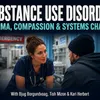
Ep 218 Substance Use Disorder in the ED – Stigma, Compassion and System Change
Emergency physicians pride themselves on recognizing and treating life-threatening illness under pressure. Yet one of the most lethal, common, and treatable conditions presenting to our EDs still often receives fragmented, stigmatized care: substance use disorder. The opioid crisis has evolved into an era of increasingly toxic and unpredictable drug supplies, including ultra-potent synthetic opioids such as nitazenes. Between 2016 and 2021, more than 27,000 Canadians died from opioid toxicity, while opioid-related ED visits continue to rise sharply. Patients discharged with untreated opioid use disorder face mortality rates approaching 5% within 12 months. Despite this, substance use disorder is still not consistently approached with the same urgency and systems-based care as other chronic high-risk illnesses. In this episode, Dr. Bjug Borgundvaag, Tish Mizon and Kari Herbert discuss how stigma affects care in the ED and how trauma-informed communication, person-first language, compassionate care, peer navigators and Bridge-style addiction programs can improve outcomes for both patients and clinicians. Please support EM Cases ongoing Free Open Access Medical Education learning platform with a donation here: https://emergencymedicinecases.com/donation/
Podzilla Summary coming soon
Sign up to get notified when the full AI-powered summary is ready.
Free forever for up to 3 podcasts. No credit card required.
Listen to This Episode
More from Emergency Medicine Cases
EM Quick Hits 73 MedMal Case Peds Headache, Phenobarb in Alcohol Withdrawal, Peer Support Programs, Asymptomatic Bacteriuria, Mechanical Ventilation, Coaching the EM Mind Part 3
Ep 222 Imaging Decisions in Emergency Medicine
Ep 221 EM-Primary Care Health Systems Strategies, Myths, Misperceptions and Solutions
EM Quick Hits 72 EMC²: Peds Neurocritical Care, Pulmonary Hypertension, Cytokine Release Syndrome, Peds Wrist Fracture, Bradycardia ECG Interpretation, Coaching the EM Mind Part 2
Get summaries like this every morning.
Free AI-powered recaps of Emergency Medicine Cases and your other favorite podcasts, delivered to your inbox.
Free forever for up to 3 podcasts. No credit card required.