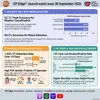
EP Edge Journal Watch Issue 38 September 2026 with Heart Rhythm Society at HRX: AI ECG Interpretation, Wearable-Detected Ventricular Tachycardia, and LBBAP vs Deep Septal Pacing
In this special EP Edge® Journal Watch Issue 38, recorded at HRX, with the Heart Rhythm Society Live 2026 in Atlanta, Dr. Niraj Sharma is joined by Dr. Michael Lloyd, Professor of Medicine at Emory University, for a focused discussion of three provocative studies with direct implications for contemporary cardiac electrophysiology.First, they examine the emerging role of large language models and artificial intelligence in ECG interpretation. How accurately can off-the-shelf, zero-shot LLMs interpret electrocardiograms, and are currently available general-purpose AI models ready to participate in clinical ECG analysis?The discussion then turns to ventricular tachycardia detected during everyday life by wearable devices. New data suggest that VT may be detected far more frequently in individuals using wearable monitoring than traditional estimates would suggest. Drs. Sharma and Lloyd discuss what these findings may mean for electrophysiologists increasingly confronted with rhythm data generated outside the clinic.Finally, the episode explores the continuing evolution of conduction system pacing, with new data comparing left bundle branch area pacing (LBBAP) and deep septal pacing (DSP). The conversation examines differences in clinical outcomes, the reported mortality signal associated with deep septal pacing, and an important practical problem for the field: inconsistent agreement about what actually constitutes successful LBBAP versus deep septal pacing.Recorded from HRX Live 2026, this episode goes beyond the abstracts to examine what the findings mean clinically, where the uncertainties remain, and how they may influence electrophysiology practice.Topics discussed include:Artificial intelligence and zero-shot LLMs for ECG interpretationAccuracy and limitations of AI-assisted electrocardiogram analysisWearable cardiac monitoring and real-world ventricular tachycardia detectionVentricular arrhythmias detected outside traditional clinical monitoringLeft bundle branch area pacing (LBBAP)Deep septal pacing (DSP)Conduction system pacing definitions and adjudicationMortality and clinical outcomes with physiologic pacing strategiesEmerging research and innovation from HRX Live 2026EP Edge® Journal Watch provides clinically focused analysis of important new research in cardiac electrophysiology, emphasizing not simply what a study found, but how the evidence should be interpreted and what it may mean for clinical practice.Hosted by Dr. Niraj SharmaSpecial HRX discussion with Dr. Michael Lloyd, MD, FACC, FHRS
Podzilla Summary coming soon
Sign up to get notified when the full AI-powered summary is ready.
Free forever for up to 3 podcasts. No credit card required.
Listen to This Episode
More from EP Edge Journal Watch: Cardiac Electrophysiology Research
EP Edge Journal Watch 39 | October 2026: PIFPAF-PFA, Ablation Durability and Left Bundle Area ICD Leads
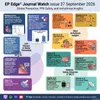
EP Edge Journal Watch 37: LAAO vs DOACs, PFA Stroke Risk, Wearable AF Monitoring, PVC Localization, and SGLT2 Sudden Death
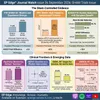
EP Edge Journal Watch 36: ESC 2026, AF Ablation and Sham Trials | PVI-SHAM-AF, PFA-SHAM, SHAM-PVI, FlexPulse, NEXAF, IDEAL-AF, ENRICH-AF
EP Edge Journal Watch Issue 35: ESC 2026 Munich Special Edition | SINGLE-AF, CMR GUIDE, New HF Guidelines & Fifth Universal Definition of MI
Get summaries like this every morning.
Free AI-powered recaps of EP Edge Journal Watch: Cardiac Electrophysiology Research and your other favorite podcasts, delivered to your inbox.
Free forever for up to 3 podcasts. No credit card required.