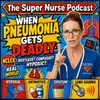
When Pneumonia Gets Deadly: Hypoxia, Antibiotics, Sputum Cultures, Lung Sounds & NCLEX
👉 Watch the video on YouTube @SuperNurseAI In This Episode, You’ll Learn: Why pneumonia is really a gas exchange problem, not just a lung infection How hypoxia can show up as restlessness, confusion, agitation, or anxiety Why nurses should pay close attention to lung sounds, sputum, oxygen needs, and work of breathing Why sputum cultures should be collected before antibiotics when ordered How positioning, fluids, coughing, deep breathing, and incentive spirometry support recovery What warning signs suggest pneumonia is progressing toward respiratory failure, sepsis, ARDS, or clinical deterioration High-Yield Nursing Pearls Pneumonia is not just a cough. It becomes dangerous when fluid, mucus, and inflammation block oxygen from moving across the alveoli into the bloodstream. Restlessness can be hypoxia. A patient who suddenly becomes confused, anxious, restless, or agitated may be showing an early neurological sign of low oxygen. Sputum before antibiotics. If a sputum culture is ordered, collect it before starting antibiotics so the provider can identify the organism accurately. High Fowler’s helps lung expansion. Sitting the patient upright can reduce work of breathing and improve ventilation. Watch the trend, not one number. Increasing oxygen needs, worsening mental status, rising work of breathing, abnormal lung sounds, and fatigue matter more than one isolated vital sign. NCLEX Clinical Judgment Focus This episode connects to NGN NCLEX respiratory clinical judgment, especially: Recognize cues: Restlessness, confusion, cough, fever, sputum changes, crackles, rhonchi, low oxygen saturation, increased work of breathing. Analyze cues: Ask whether the patient is oxygenating, ventilating, clearing secretions, or showing signs of worsening infection. Prioritize hypotheses: Hypoxia, impaired gas exchange, pneumonia complications, sepsis, respiratory failure. Take action: Position upright, assess airway and breathing, administer oxygen as ordered, collect sputum before antibiotics when ordered, promote pulmonary hygiene, notify the provider for deterioration. Evaluate outcomes: Improved oxygenation, decreased work of breathing, improved mental status, improved lung sounds, reduced fever, and better secretion clearance. Real-World Bedside Warning Bedside Warning A pneumonia patient who is suddenly “acting weird” may not be confused just because they are older, tired, or irritated. In real-world nursing, a change in mental status can be an early sign that the brain is not getting enough oxygen. Always connect behavior changes back to airway, breathing, circulation, oxygenation, infection, and perfusion. Add a Disclaimer Disclaimer This podcast is for nursing education and NCLEX review only. It is not medical advice and does not replace your nursing school instruction, facility policies, provider orders, or clinical judgment at the bedside. For more respiratory system videos, NCLEX review, and real-world nursing breakdowns, watch Super Nurse AI on YouTube and follow along with The Super Nurse Podcast. Related Topics to Review Pneumonia, hypoxia, impaired gas exchange, respiratory failure, oxygen therapy, lung sounds, sputum cultures, antibiotics, sepsis, ARDS, incentive spirometry, pulmonary hygiene, high Fowler’s positioning, airway and breathing priorities, NGN NCLEX respiratory questions. Timestamps 00:00 — When Pneumonia Gets Deadly Pneumonia is not just an infection or a cough. It becomes dangerous when inflammation, fluid, and mucus interfere with gas exchange. 01:30 — Why NCLEX Tests Pneumonia NCLEX cares about pneumonia because it can lead to hypoxia, respiratory failure, sepsis, and rapid deterioration if nurses miss the early cues. 03:00 — What Pneumonia Does Inside the Lung The alveoli are supposed to exchange oxygen and carbon dioxide, but pneumonia fills those tiny air sacs with fluid, mucus, and inflammatory debris. 04:30 — Impaired Gas Exchange Explained Simply If oxygen cannot cross from the alveoli into the bloodstream, the patient may look short of breath, tired, confused, restless, or increasingly unstable. 06:00 — The Restless Pneumonia Patient A patient who suddenly becomes restless, agitated, or confused may not just be “being difficult.” Their brain may be starving for oxygen. 07:30 — Lung Sounds Nurses Need to Recognize Crackles, rhonchi, diminished breath sounds, and worsening work of breathing can all give clues about what is happening in the lungs. 09:00 — Sputum: What Nurses Should Notice Color, amount, thickness, odor, and changes in sputum can help nurses recognize infection severity and communicate important findings. 10:30 — Sputum Culture Before Ant
Podzilla Summary coming soon
Sign up to get notified when the full AI-powered summary is ready.
Free forever for up to 3 podcasts. No credit card required.
Listen to This Episode
More from The Super Nurse Podcast
Stroke or Stroke Mimic? TIA, Glucose Checks & NGN NCLEX Nursing Priorities
Restlessness Is a Red Flag: Catching Sneaky Subdural Hematomas Early
What NCLEX Tests for the Neurological System: Stroke, Seizures, ICP & Meningitis
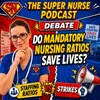
When Staffing Gets Unsafe: Should Nurses Unionize, Strike, or Put Their Heads Down?
Get summaries like this every morning.
Free AI-powered recaps of The Super Nurse Podcast and your other favorite podcasts, delivered to your inbox.
Free forever for up to 3 podcasts. No credit card required.