Free Daily Podcast Summary
How to Be a Better Human: Daily Summaries Delivered
by TED
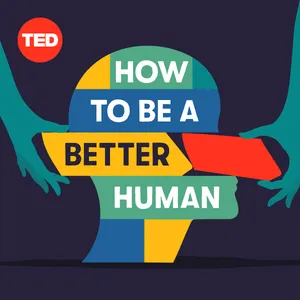
How To Be A Better Human isn’t your average self improvement podcast. Each week join Chris Duffy in conversation with guests and past speakers as they uncover sharp insights and give clear takeaways on how YOU can be a better human. From your work to your home and your head to your heart, How To Be a Better Human looks in unexpected places for new ways to improve and show up for one another. Inspired by the popular series of the same name on TED’s Ideas blog, How to Be A Better Human will help you become a better person from the comfort of your own headphones.
Latest Episodes
The most recent episodes — sign up to get AI-powered summaries of each one.
- 5 days ago43 min
How reading can transform your life (w/ Reginald Dwayne Betts)
“We have tried to create a system devoid of beauty, and it has failed. We have never tried to create a system that is replete with beauty and ask us what it might do.” Reginald Dwayne Betts is a poet, a lawyer, and a prison reform advocate. In this episode, he joins Chris to discuss the detrimental effects of prison systems and how lack of resources and the lack of beauty in prison perpetuates dehumanization. Reginald and Chris also share their favorite poems and books and discuss Reginald’s work with the Freedom Library to bring books to prisoners and correction officers.Poems and Books MentionedFrom the Mixed-up Files of Mrs. Basil E. Frankweiler by E.L. KonigsburgFree Food for Millionaires by Min Jin Leewon’t you celebrate with me by Lucille CliftonThose Winter Sundays by Robert HaydenFailing and Flying by Jack GilbertThe Forgotten Dialect of the Heart by Jack GilbertA Gentleman in Moscow by Amor Towlesunder a soprano sky by Sonia SanchezFor Freckle-Faced Gerald by Etheridge KnightFeatured guestFollow Reginald on Instagram, LinkedIn, and at FreedomReads.orgBuy Felon: Poems and Doggerel: PoemsConnect with the teamFollow Chris on Instagram and at chrisduffycomedy.comBuy Chris’ book, Humor Me Watch How to Be a Better Human videos on YouTube at TEDPodsFollow TED on X, Instagram, Facebook, LinkedIn, and TikTokFor the full text transcript, visit go.ted.com/BHTranscriptsFill out our survey at bit.ly/BHSurvey6 Hosted on Acast. See acast.com/privacy for more information.
- 1 weeks ago41 min
How to live longer (w/ Keith Diaz)
Keith Diaz is an exercise scientist who studies the importance of movement to combat a sedentary lifestyle. He joins Chris to talk about how you can build better habits, and why simple alarm alerts might be more effective in motivating people to move than savvier tech like smart watches. Keith also shares why you need to activate your muscles to help you fight diseases and stay healthy.Featured guestFollow Keith Diaz on LinkedInWatch Ketih's TED TalkConnect with the teamFollow Chris on Instagram and at chrisduffycomedy.comBuy Chris’ book, Humor Me Watch How to Be a Better Human videos on YouTube at TEDPodsFollow TED on X, Instagram, Facebook, LinkedIn, and TikTokFor the full text transcript, visit go.ted.com/BHTranscriptsFill out our survey at bit.ly/BHSurvey6 Hosted on Acast. See acast.com/privacy for more information.
- 2 weeks ago48 min
How to navigate complicated family dynamics (w/ Emerson Whitney)
How do you bring up difficult topics—especially when it involves a loved one? In this episode, Emerson Whitney, author of the book O Mother, talks about the grief of losing his mom to suicide. Emerson shares delicate topics such as growing up neurodivergent with ADHD and autism and how he continues to show up as his authentic self. Then Emerson and Chris discuss finding community and how to cultivate more joyful friendships.Featured guestFollow Emerson Whitney on Instagram and at https://emersonwhitney.com/Buy O MotherConnect with the teamFollow Chris on Instagram and at chrisduffycomedy.comBuy Chris’ book, Humor Me Watch How to Be a Better Human videos on YouTube at TEDPodsFollow TED on X, Instagram, Facebook, LinkedIn, and TikTokFor the full text transcript, visit go.ted.com/BHTranscriptsFill out our survey at bit.ly/BHSurvey6 Hosted on Acast. See acast.com/privacy for more information.
- 3 weeks ago43 min
Does it Take a Twisted Mind to Write Twisted Stories? | from Better In Person
Harlan Coben doesn’t think so. The mega-best-selling author talks suburbia, impostor syndrome, and what he learned from his college friend David Foster Wallace.If you'd like to see the video version of Better in Person, you can watch it on YouTube or Apple Podcasts.Hosted by Simplecast, an AdsWizz company. See pcm.adswizz.com for information about our collection and use of personal data for advertising.For the full text transcript, visit go.ted.com/BHTranscriptsFill out our survey at bit.ly/BHSurvey6 Hosted on Acast. See acast.com/privacy for more information.
- 4 weeks ago34 min
Summer Fridays: How zombies, dragons, and superheroes could make you a better person (w/ Christopher Robichaud)
Roleplaying games and the Marvel universe may be fictional, but they can also teach us a lot about morality in the real world. Christopher Robichaud is a Lecturer in Ethics and Public Policy at the Harvard Kennedy School of Government. In this episode, he shares ways we can explore important, everyday issues in fun, safe, and unexpected ways. Christopher has made a career out of teaching ethics and philosophy using pop culture, dissecting moral questions using anything from zombie apocalypse simulations to superhero narratives. He received his doctorate in philosophy from MIT. In 2015 he won the Innovation in Teaching Award at the Harvard Kennedy School for creating a day-long simulation--using design elements from old school tabletop roleplaying games like D&D--where policy students wielded their leadership skills and confronted ethical dilemmas to deal with a zombie pandemic. For the full text transcript, visit go.ted.com/BHTranscriptsFill out our survey at bit.ly/BHSurvey6 Hosted on Acast. See acast.com/privacy for more information.
- Aug 31, 202643 min
How to be creatively inspired (w/ Hrishikesh Hirway)
Hrishikesh Hirway is a musician and producer, but you probably know him best as the host of the podcast Song Exploder. Hrishikesh has a new album out, “In the Last Hour of Light,” and he shares with Chris his creative process. Hrishikesh also talks about his definition of success and why he values the act of creating over the insecurity of whether his work is “good enough.” Finally, Hrishikesh shares his advice for how people can become more attuned to their creative side.Featured guestFollow Hrishikesh Hirway on Instagram, LinkedIn, YouTube, and at https://hrishikesh.co/Subscribe to Hrishikesh's Substack, accept cookiesBuy Hrishikesh's album, In the Last Hour of LightConnect with the teamFollow Chris on Instagram and at chrisduffycomedy.comBuy Chris’ book, Humor Me Watch How to Be a Better Human videos on YouTube at TEDPodsFollow TED on X, Instagram, Facebook, LinkedIn, and TikTokFor the full text transcript, visit go.ted.com/BHTranscriptsFill out our survey at bit.ly/BHSurvey6 Hosted on Acast. See acast.com/privacy for more information.
- Aug 28, 202637 min
Summer Fridays: The art of paying attention (w/ Wendy MacNaughton and Laurel Braitman)
If you found yourself doodling or writing a lot as a child but then lost the hobby as you grew up, Wendy MacNaughton and Laurel Braitman want to help you recapture your spark. Wendy MacNaughton is an illustrator, the author of “How to Say Goodbye”, and the creator of Draw Together, an art and learning community. Laurel Braitman is a TED Fellow, the author of the memoir “What Looks Like Bravery”, and the founder of Writing Medicine, a community of writing healthcare professionals. Together, Wendy and Laurel created Attention Club, a group of people pursuing creativity by practicing focus with one another. In this episode, Wendy and Laurel join Chris for an in-person chat at the 2024 TED Conference where they discuss the feelings that arise when sharing art with an audience and why embracing mistakes can lead to more meaningful work.For the full text transcript, visit go.ted.com/BHTranscriptsFill out our survey at bit.ly/BHSurvey6 Hosted on Acast. See acast.com/privacy for more information.
- Aug 24, 202643 min
The last places without human sounds (w/ Matt Mikkelsen)
What is natural sound in an increasingly noisy world? asks sound recordist and audio engineer Matt Mikkelsen. Matt travels the world recording natural sounds in places where you can’t hear anything made by humans: no planes, no cars, no ringing phones. In this episode, Matt joins Chris to talk about the difference between quiet and silence. Matt shares his adventures and work with Quiet Parks International and even shares a story about the time he was struck by lightning. They also talk about the importance of choosing our acoustic environment and why it’s important to unplug and sit still in nature.Featured guestFollow Matt Mikkelsen on Instagram and at https://hayloftaudio.com/Connect with the teamFollow Chris on Instagram and at chrisduffycomedy.comBuy Chris’ book, Humor Me Watch How to Be a Better Human videos on YouTube at TEDPodsFollow TED on X, Instagram, Facebook, LinkedIn, and TikTokFor the full text transcript, visit go.ted.com/BHTranscriptsFill out our survey at bit.ly/BHSurvey6 Hosted on Acast. See acast.com/privacy for more information.
Get How to Be a Better Human summaries in your inbox
Free AI-powered daily recaps. Key takeaways, quotes, and mentions — in a 5-minute read.
Get Free Summaries →Free forever for up to 3 podcasts. No credit card required.
You Might Also Like
Listeners also like.
Growth Mindset Psychology: The Science of Self-Improvement
Explores the science behind lasting self-improvement through psychology, neuroscience, and timeless wisdom traditions.
2 Be Better
Two hosts discuss personal growth through lived experience, answering listener questions and tackling difficult topics.
A Bit of Optimism
Conversations with thinkers and doers exploring what drives purpose, growth, and meaning in life.
Feel Better, Live More with Dr Rangan Chatterjee
A doctor-hosted podcast offering practical health advice on eating, sleeping, moving, and relaxing from medical experts and real-life stories.
The Tim Ferriss Show
Deconstructs world-class performers across diverse fields to uncover practical tools and tactics for self-improvement.
10% Happier with Dan Harris
Practical mindfulness and meditation advice from experts, blending science and ancient wisdom for skeptics.
Deeply Human
Explores the psychology behind human behavior, emotions, and relationships to better understand what drives our thoughts and actions.
Influence Anyone
Explores the psychology of influence through expert interviews on mindset, persuasion, branding, and leadership.
TED Talks Daily
Daily audio from TED Talks worldwide, featuring leading thinkers and doers on ideas ranging from artificial intelligence to zoology.
The One You Feed | Personal Growth, Emotional Resilience & Purpose
Insightful conversations with leading thinkers on personal growth, emotional resilience, and living with purpose.
How To Citizen with Baratunde
Explores civic engagement as an active practice, offering tools and stories to help people collectively shape a better society.
The Curiosity Shop with Brené Brown and Adam Grant
Brené Brown and Adam Grant explore boldness amid uncertainty through research, debate, and dialogue in a six-episode series.
About How to Be a Better Human
How To Be A Better Human isn’t your average self improvement podcast. Each week join Chris Duffy in conversation with guests and past speakers as they uncover sharp insights and give clear takeaways on how YOU can be a better human. From your work to your home and your head to your heart, How To Be a Better Human looks in unexpected places for new ways to improve and show up for one another. Inspired by the popular series of the same name on TED’s Ideas blog, How to Be A Better Human will help you become a better person from the comfort of your own headphones.
Customized Recaps
AI-powered recaps with compact key takeaways, quotes, and insights.
Straight to Your Inbox
Get key takeaways from How to Be a Better Human in a 5-minute read.
Save Hours Every Week
Stay current on your favorite podcasts without falling behind.
Frequently Asked Questions
What is Podzilla's How to Be a Better Human daily summary?
It's a free AI-powered email that summarizes new episodes of How to Be a Better Human as soon as they're published. You get the key takeaways, notable quotes, and links & mentions — all in a quick read.
How does the How to Be a Better Human podcast summary work?
When a new episode drops, our AI transcribes and analyzes it, then generates a personalized summary tailored to your interests and profession. It's delivered to your inbox every morning.
Is this an official How to Be a Better Human product?
No. Podzilla is an independent service that summarizes publicly available podcast content. We're not affiliated with or endorsed by TED.
Can I get summaries of other podcasts too?
Absolutely! The free plan covers up to 3 podcasts. Upgrade to Pro for 15, or Premium for 50. Browse our full catalog at /podcasts.
How often does How to Be a Better Human release new episodes?
How to Be a Better Human publishes 2x weekly. Our AI generates a summary within hours of each new episode.
What topics does How to Be a Better Human cover?
How to Be a Better Human covers topics including Education, Self-Improvement. Our AI identifies the specific themes in each episode and highlights what matters most to you.
Start getting How to Be a Better Human summaries tomorrow morning.
Free forever for up to 3 podcasts. No credit card required.
Free forever for up to 3 podcasts. No credit card required.