Free Daily Podcast Summary
If Objects Could Talk: Daily Summaries Delivered
by Getty
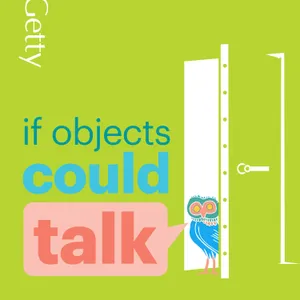
What is Athena's owl doing in the Greek marketplace? How can a clock tell time in the dark? On If Objects Could Talk, art and artifacts leave the museum vault and come alive to share their side of the story. Featuring objects from the Getty Museum collection, each episode introduces listeners to the history, creation, and everyday use of incredible items like an Egyptian cat statue, a Rococo microscope, and a glass flask shaped like a fish. Voice actors and immersive sound design bring these historical fiction tales to life. Find coloring pages, discussion guides, and related activities on the pages for each episode.
Latest Episodes
The most recent episodes — sign up to get AI-powered summaries of each one.
- Today13 min
A Griffin Sees It All
One giant blue orb dotted with stars, six griffins, 12 zodiac symbols, 18 candle holders, countless crystals—and even a bowl to fill with goldfish! Have you ever seen something so elaborate just hanging from the ceiling?This is the description of an extraordinary chandelier, made around 1819 to hang in a fancy French home, perhaps over a dining table. Imagine eating dinner with a goldfish overhead!In this episode, one of the griffins shares how her bronze body turned to gold, as well as her centuries-old gossip from dinner parties past—including the story of one quiet, observant little girl. For the griffin and the girl, the magic is in noticing the details.Like this episode? Head to the website (www.getty.edu/ioct) for a listening guide, where you’ll find discussion topics and related activities, like a recipe for your own mille-fueille. We also have a coloring page featuring this week’s star! ATeachers, are you teaching about recipes and food across time or French culture in the 19th century? This episode and its listening guide are great resources for the classroom or to send home to families.If you're enjoying the show, don't forget to leave us a rating or review!These stories are based on historical research and evidence, but some of the characters and scenarios are fictionalized. If you have questions, write to us or send us a voice memo! You can reach us at PodTeam@getty.edu.For more art history insights, check out our other Getty Podcasts shows at www.getty.edu/podcastsRecording Artists tells artist biographies using archival material from the Getty Research Institute: https://www.getty.edu/podcasts/recording-artists/OMMM: Our Museum Mindfulness Meditation merges art history with mindfulness meditations: https://www.getty.edu/podcasts/ommm/ReCurrent chronicles the people who shape our culture and keep the past alive: https://www.getty.edu/podcasts/recurrent/Art + Ideas showcases interviews with artists, architects, scientists, and cultural luminaries by former Getty President Jim Cuno: https://www.getty.edu/podcasts/art-and-ideas/Through its programs—Getty Conservation Institute, Getty Foundation, Getty Museum, Getty Research Institute, and Getty Trust—Getty shares and advances the world’s visual art and cultural heritage, both in Los Angeles and throughout the world. Learn more about all we do for art on our website:Getty: https://www.getty.edu/Getty Conservation Institute: https://www.getty.edu/conservation/Getty Foundation: https://www.getty.edu/foundation/Getty Museum: https://www.getty.edu/museum/Getty Research Institute: https://www.getty.edu/research/
- 1 weeks ago13 min
Resting Bust Face
Why is The Vexed Man making that scrunched up face? Has he tasted a lemon? Smelled a skunk? Nope—that’s just his thinking face!This intensely tense alabaster sculpture of a head is used to people staring and trying to do their own versions of his extreme expression. Take it from him, though, it feels much nicer to relax than to be so stiff all the time.Hear this sculpture’s story of alabaster carving and 18th-century Vienna, followed by a relaxing breathing exercise—because even if you’re not made of stone, you still might need to loosen up a little!Like this episode? Head to the website (www.getty.edu/ioct) for a listening guide, where you’ll find discussion topics and related activities, like a meditation for when you’re feeling particularly vexed. We also have a coloring page featuring this week’s star!Teachers, do you need a meditation moment? This episode and its listening guide are great resources for the classroom or to send home to families.If you're enjoying the show, don't forget to leave us a rating or review!These stories are based on historical research and evidence, but some of the characters and scenarios are fictionalized. If you have questions, write to us or send us a voice memo! You can reach us at PodTeam@getty.edu.For more art history insights, check out our other Getty Podcasts shows at www.getty.edu/podcastsRecording Artists tells artist biographies using archival material from the Getty Research Institute: https://www.getty.edu/podcasts/recording-artists/OMMM: Our Museum Mindfulness Meditation merges art history with mindfulness meditations: https://www.getty.edu/podcasts/ommm/ReCurrent chronicles the people who shape our culture and keep the past alive: https://www.getty.edu/podcasts/recurrent/Art + Ideas showcases interviews with artists, architects, scientists, and cultural luminaries by former Getty President Jim Cuno: https://www.getty.edu/podcasts/art-and-ideas/Through its programs—Getty Conservation Institute, Getty Foundation, Getty Museum, Getty Research Institute, and Getty Trust—Getty shares and advances the world’s visual art and cultural heritage, both in Los Angeles and throughout the world. Learn more about all we do for art on our website:Getty: https://www.getty.edu/Getty Conservation Institute: https://www.getty.edu/conservation/Getty Foundation: https://www.getty.edu/foundation/Getty Museum: https://www.getty.edu/museum/Getty Research Institute: https://www.getty.edu/research/
- 2 weeks ago13 min
Purrquoise the Traveling Cat
As soon as he arrived in Los Angeles, Purrquoise, the turquoise cat, was a star. But this charismatic kitty traveled a long way to get here! Made in China in the 1750s, he moved by ship to France, where he padded around with the rich and famous—like Madame de Pompadour, noted companion of King Louis XV—as well as those who served them. After a few centuries there, he traveled across the Atlantic and settled in at the Getty Museum in 2024.Adjusting to a new culture takes time, an open mind, and an adventurous spirit. Hear about 18th-century trade and travel and the importance of changing perspectives in this adventuresome cat’s tail, er, tale.Like this episode? Head to the website (www.getty.edu/ioct) for a listening guide, where you’ll find discussion topics and related activities, like exploring how trade shapes your world. We also have a coloring page featuring this week’s star! And don't forget to leave us a rating or review!These stories are based on historical research and evidence, but some of the characters and scenarios are fictionalized. If you have questions, write to us or send us a voice memo! You can reach us at PodTeam@getty.edu.For more art history insights, check out our other Getty Podcasts shows at www.getty.edu/podcastsRecording Artists tells artist biographies using archival material from the Getty Research Institute: https://www.getty.edu/podcasts/recording-artists/OMMM: Our Museum Mindfulness Meditation merges art history with mindfulness meditations: https://www.getty.edu/podcasts/ommm/ReCurrent chronicles the people who shape our culture and keep the past alive: https://www.getty.edu/podcasts/recurrent/Art + Ideas showcases interviews with artists, architects, scientists, and cultural luminaries by former Getty President Jim Cuno: https://www.getty.edu/podcasts/art-and-ideas/Through its programs—Getty Conservation Institute, Getty Foundation, Getty Museum, Getty Research Institute, and Getty Trust—Getty shares and advances the world’s visual art and cultural heritage, both in Los Angeles and throughout the world. Learn more about all we do for art on our website:Getty: https://www.getty.edu/Getty Conservation Institute: https://www.getty.edu/conservation/Getty Foundation: https://www.getty.edu/foundation/Getty Museum: https://www.getty.edu/museum/Getty Research Institute: https://www.getty.edu/research/
- 3 weeks ago12 min
The Magnificent Microscope and the Fabulous Flea
It’s a knight! It’s a cat! No, it’s a…flea?Picture it: the French countryside, 1751. A young flea prepares for his moment in the spotlight—of a magnificent gold and sharkskin microscope. This compound microscope was the height of scientific knowledge, showcasing both the newest technology and fashionable design. It allowed people—including science lovers like King Louis XV—to discover new worlds in small things.In this first episode of season two, learn about compound microscopes, the Enlightenment, and what “rococo” means.Like this episode? Head to the website (www.getty.edu/ioct) for a listening guide, where you’ll find discussion topics and related activities, like how to create your own journal of the natural world. We also have a coloring page featuring this week’s star! And don't forget to leave us a rating or review.These stories are based on historical research and evidence, but some of the characters and scenarios are fictionalized. If you have questions, write to us or send us a voice memo! You can reach us at PodTeam@getty.edu.For more art history insights, check out our other Getty Podcasts shows at www.getty.edu/podcastsRecording Artists tells artist biographies using archival material from the Getty Research Institute: https://www.getty.edu/podcasts/recording-artists/OMMM: Our Museum Mindfulness Meditation merges art history with mindfulness meditations: https://www.getty.edu/podcasts/ommm/ReCurrent chronicles the people who shape our culture and keep the past alive: https://www.getty.edu/podcasts/recurrent/Art + Ideas showcases interviews with artists, architects, scientists, and cultural luminaries by former Getty President Jim Cuno: https://www.getty.edu/podcasts/art-and-ideas/Through its programs—Getty Conservation Institute, Getty Foundation, Getty Museum, Getty Research Institute, and Getty Trust—Getty shares and advances the world’s visual art and cultural heritage, both in Los Angeles and throughout the world. Learn more about all we do for art on our website:Getty: https://www.getty.edu/Getty Conservation Institute: https://www.getty.edu/conservation/Getty Foundation: https://www.getty.edu/foundation/Getty Museum: https://www.getty.edu/museum/Getty Research Institute: https://www.getty.edu/research/
- Jul 9, 20264 min
Coming Soon: Bastille Day (and Season 2)
Announcing Season 2, this mini-episode features Purrquoise, a bright turquoise porcelain cat that was made in China in the 1700s and has traveled the world ever since. Now that he’s made himself at home in Los Angeles, he’s ready to pitch his script all about the storming of the Bastille and the French Revolution. Of course, if he can’t get that movie made, he’s still excited to announce that If Objects Can Talk returns this fall with ten more stories from adventurous, luxurious—and sometimes very silly—objects, including Purrquoise himself! Feeling inspired to celebrate Bastille Day? Learn more on our website and in our listening guide! Visit: https://www.getty.edu/podcasts/if-objects-could-talk/introducing-season-two/For more art history insights, check out our other Getty Podcasts shows at www.getty.edu/podcastsOMMM: Our Museum Mindfulness Meditation is part art history, part guided meditation: https://www.getty.edu/podcasts/ommm/ Recording Artists tells artist biographies using archival material from the Getty Research Institute: https://www.getty.edu/podcasts/recording-artists/ReCurrent chronicles the people who shape our culture and keep the past alive: https://www.getty.edu/podcasts/recurrent/Art + Ideas showcases interviews with artists, architects, scientists, and cultural luminaries by former Getty President Jim Cuno: https://www.getty.edu/podcasts/art-and-ideas/Through its programs—Getty Conservation Institute, Getty Foundation, Getty Museum, Getty Research Institute, and Getty Trust—Getty shares and advances the world’s visual art and cultural heritage, both in Los Angeles and throughout the world. Learn more about all we do for art on our website:Getty: https://www.getty.edu/Getty Conservation Institute: https://www.getty.edu/conservation/Getty Foundation: https://www.getty.edu/foundation/Getty Museum: https://www.getty.edu/museum/Getty Research Institute: https://www.getty.edu/research/
- Mar 6, 202610 min
(Rerun) Snake Charm on Your Arm
(Rerun) How does a snake bracelet celebrate her favorite holiday? Learn about gold jewelry, the meaning of snakes for ancient Egyptians, and the Roman holiday of Saturnalia from this snake who knows all the best secrets! For a listening guide, a coloring sheet, images, and more, visit getty.edu/podcasts/if-objects-could-talk/.Come see the bracelet in person at the Getty Villa in gallery 216!
- Feb 2, 202612 min
Going for Glory: A History of the Ancient Olympics
You probably know that the Olympics started in ancient Greece, but did you know that they started as just a single running race? Or that the athletes—all male—competed naked and covered in oil? As the world gears up to watch athletes from nearly 100 countries compete in ice skating and bob sledding (two sports the Greeks would have been shocked at!), we had to know more about where the Olympics came from nearly 3000 years ago! Learn all about the early Olympic games in this bonus conversation with archaeologist Shelby Brown. Visit the episode website for images of art that teach us about Greek athletic competitions and for an episode transcript.Read more about the ancient Olympics and other Greek athletic competitions on Getty's website: https://www.getty.edu/news/the-getty-villa-guide-to-the-ancient-olympics/
- Jan 26, 2026
Introducing Constant Wonder Kids: Do Plants Think?
This season on If Objects Could Talk we imagined what would happen if museum objects could talk. But have you ever wondered if plants could talk? To dig into this question, we’re sharing an episode from Constant Wonder Kids. Through a conversation with science writer Zoë Schlanger, this episode investigates how plants seem to communicate, hear, see, and even think! Constant Wonder Kids is a family-friendly podcast that sparks curiosity about plants, animals, and natural phenomena. Through conversations with scientists, explorers, and artists, Constant Wonder Kids helps kids (and the adults who love them) discover ways to feel awe and wonder in the natural world. To learn more, visit https://www.byuradio.org/constant-wonder-kids.
Get If Objects Could Talk summaries in your inbox
Free AI-powered daily recaps. Key takeaways, quotes, and mentions — in a 5-minute read.
Get Free Summaries →Free forever for up to 3 podcasts. No credit card required.
You Might Also Like
Listeners also like.
Greeking Out from National Geographic Kids
Retells classic ancient Greek myths with gods, goddesses, heroes, and monsters for kids and families.
A History of the World in 100 Objects
A director of the British Museum explores human history through 100 artifacts.
Stories of Art
Art historians explore pivotal moments, artists, and hidden narratives that shaped the history of art.
History Snacks
Quick, engaging history lessons for kids covering empires, heists, lost explorers, and royal rivalries.
Art History for All
Explores individual artworks and their broader significance, making art history accessible and meaningful to all audiences.
Immaterial: 5,000 Years of Art, One Material at a Time
Explores the history and meaning of art through the lens of individual materials, from clay to jade to paper.
Who, When, Wow!
A curious kid travels through time to solve historical mysteries like Atlantis and Bigfoot using critical thinking and humor.
History for Kids / History's Not Boring: The Kids History Podcast
Two fictional kid hosts take young listeners on engaging adventures through major historical events, making the past fun and accessible.
In Our Time
Explores pivotal ideas, figures, and discoveries across history, science, philosophy, and culture through expert discussions.

Real Cool History for Kids
Engaging true stories from history told from a biblical perspective to spark curiosity in kids and families.
What If World - Stories for Kids
Imaginative stories for children based on their own creative "what if" questions, told to spark curiosity and resilience.
The Curious History of Your Home
A domestic historian reveals the hidden and often bizarre origins of everyday household objects.
About If Objects Could Talk
What is Athena's owl doing in the Greek marketplace? How can a clock tell time in the dark? On If Objects Could Talk, art and artifacts leave the museum vault and come alive to share their side of the story. Featuring objects from the Getty Museum collection, each episode introduces listeners to the history, creation, and everyday use of incredible items like an Egyptian cat statue, a Rococo microscope, and a glass flask shaped like a fish. Voice actors and immersive sound design bring these historical fiction tales to life. Find coloring pages, discussion guides, and related activities on the pages for each episode.
Customized Recaps
AI-powered recaps with compact key takeaways, quotes, and insights.
Straight to Your Inbox
Get key takeaways from If Objects Could Talk in a 5-minute read.
Save Hours Every Week
Stay current on your favorite podcasts without falling behind.
Frequently Asked Questions
What is Podzilla's If Objects Could Talk daily summary?
It's a free AI-powered email that summarizes new episodes of If Objects Could Talk as soon as they're published. You get the key takeaways, notable quotes, and links & mentions — all in a quick read.
How does the If Objects Could Talk podcast summary work?
When a new episode drops, our AI transcribes and analyzes it, then generates a personalized summary tailored to your interests and profession. It's delivered to your inbox every morning.
Is this an official If Objects Could Talk product?
No. Podzilla is an independent service that summarizes publicly available podcast content. We're not affiliated with or endorsed by Getty.
Can I get summaries of other podcasts too?
Absolutely! The free plan covers up to 3 podcasts. Upgrade to Pro for 15, or Premium for 50. Browse our full catalog at /podcasts.
How often does If Objects Could Talk release new episodes?
If Objects Could Talk publishes weekly. Our AI generates a summary within hours of each new episode.
What topics does If Objects Could Talk cover?
If Objects Could Talk covers topics including Education, Arts, Kids & Family, Family, Visual Arts, Stories for Kids. Our AI identifies the specific themes in each episode and highlights what matters most to you.
Start getting If Objects Could Talk summaries tomorrow morning.
Free forever for up to 3 podcasts. No credit card required.
Free forever for up to 3 podcasts. No credit card required.