Free Daily Podcast Summary
Learn Japanese with Noriko: Daily Summaries Delivered
by Japanese with Noriko
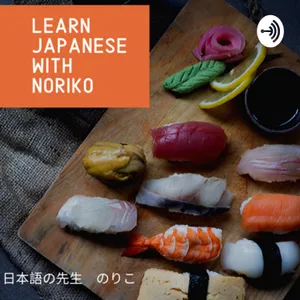
Hi, I’m Noriko 🌸—a certified Japanese teacher and Neurolanguage Coach®. Learn Japanese with Noriko is for intermediate to advanced learners. If you're an intermediate student, please start from Season 1—I speak slowly at first, then gradually faster. Season 3 is a level-up version with real-life dialogues, philosophy, and language learning topics. Enjoy listening!
Latest Episodes
The most recent episodes — sign up to get AI-powered summaries of each one.
- 3 weeks ago23 min
Season 3-163 Tadoku 多読で伸びる学習法|Hitomiさんとの対談
HitomiさんのSubstack星新一のショートショート『ボッコちゃん』アメリカの作家シェル・シルヴァスタインの絵本『ぼくを探しに』今回のエピソードでは、スコットランド・エジンバラで日本語教室を運営し、「Joyful Japanese Reading」を通して多読教材を作っているHitomiさんがゲストとして出演しました。ひとみさんは、多読とは「自分のレベルに合った読み物をたくさん読むこと」だけではなく、「いろいろなジャンルの文章を読むこと」も大切だと話します。知らない言葉があっても、まずは文や写真から意味を考えながら読み進め、必要な言葉だけ後で調べる方法をすすめています。また、ブッククラブでの経験や、学習者が本を選ぶときのサポートについても紹介しました。日本語の小説を読みたい人には、短編や子ども向けの本から始めることをおすすめしています。最後に、多読は急ぐものではなく、旅のように楽しみながら続けることで、自然に日本語力が伸びていくと伝えています。
- Sep 2, 202619 min
Season 3-162 見た目に自信がない私がビデオポッドキャストを続ける理由
紹介した小説:南綾子『痩せたらかわいくなるのにね?』今回のエピソードでは、年齢を重ねることや、自分の体と見た目との向き合い方について話しています。ルッキズムとは、人を見た目で評価する考え方です。私は、この考え方に挑戦し、自分らしく年齢を重ねたいと考えています。また、自分の体を無理に好きになる「ボディーポジティブ」よりも、体の機能に感謝する「ボディーニュートラル」の考え方に共感しています。※注記:このエピソードでは、小説の内容を説明するために、「デブ」という言葉を数回引用しています。これは作品中の表現をそのまま紹介しているものであり、私自身の考えや価値観を表すものではありません。この小説は、外見による偏見やルッキズムを問い直す作品です。Note: I use the Japanese word 「デブ」 a couple of times in this episode because I am referring directly to the language used in the novel. I am quoting the author's wording to explain the story, not expressing my own opinion. The novel itself questions and critiques appearance-based judgment.
- Aug 26, 202617 min
Season 3-161 時間はなぜ大切?学校では好きなことができる?|にほんごのじかん・Yukiさんと対話
今回は、日本語学習チャンネル「「にほんごのじかん」」のYukiさんをゲストに迎えて、「哲学おしゃべりカード」を使いながら二つのテーマについて話しました。一つ目のテーマは「時間はどうして大切なの?」です。二人は、時間は限られているから大切だという考えに共感しました。しかし、効率よく行動することだけが時間を大切にすることではないという話にもなりました。何もしない時間や、ゆっくり休む時間にも意味があり、そのような時間が心や体にとって大切だという意見を交換しました。二つ目のテーマは「学校では好きなことができる?」です。学校では好きなことだけをすることはできませんが、さまざまな教科や人との出会いを通して、自分の興味や可能性を見つけるきっかけになるという考えが紹介されました。また、学校は社会に出るための練習の場でもあり、人間関係や集団生活を学ぶ大切な場所ではないかという話になりました。最後に、AI時代の学校の役割についても触れ、これからの教育について考えるきっかけになる対話となりました。
- Aug 19, 202633 min
Season 3-160 この3冊、読んだ?アイデンティティ・推し活・体力について語ります(Book Talk with Yuko 12)
とある中国人のむいむい『とある中国人のむいむいの「私たちはどうしても日本にムキになる』 イ・ヨンミ『魔女の体力 』朝井リョウ『イン・ザ・メガチャーチ』川上未映子『乳と卵 』あかね的日本語教室『マンガで学ぼう! 生活で使える日本語文法』私のサイトには無料スクリプトがあります。そして、Japanese Togetherというコミュニティでは、Yukoさんと私がBook Clubをやっています。今回のエピソードでは、最初に日本とヨーロッパの暑さや天気について話しました。ヨーロッパではヒートウェーブ(熱波)が続き、エアコンがない家も多いため、とても大変だったという話がありました。そのあと、おすすめの本を紹介しました。一冊目は、中国出身のYouTuber・むいむいさんのエッセイです。日本語を学ぶ人の気持ちや、日本で生活する中で感じたことが書かれていて、日本語学習者にも日本人にもおすすめできる本だと紹介しました。また、「日本人を理解したいけれど、日本人そのものになりたいわけではない」という考えについても話し合いました。続いて紹介した『魔女の体力』では、40代から運動を始めた女性の体験を通して、「読書・運動・外国語学習」の共通点や、年齢を重ねても健康のために体力をつけることの大切さについて話しました。
- Aug 12, 202614 min
Japanese Brain-Friendly Coaching 7: 旅行先で日本語を使わないなんてもったいない!Mistakes Help You Learn
今回のエピソードでは、Norikoがスペインのアリカンテへ旅行した経験を通して、学習中の言語を実際に使うことの大切さについて話しています。Norikoは約20年前にスペイン語を熱心に勉強していましたが、イギリスへ移住してからは英語学習を優先し、長い間スペイン語の勉強をしていませんでした。しかし、今年アリカンテへ旅行することが決まり、もう一度スペイン語の勉強を始めました。旅行中はレストランやカフェで積極的にスペイン語を使うことに挑戦しました。その中で注文の言い方を間違えることもありましたが、現地の人に訂正してもらいながら学ぶことで、強く記憶に残ったと話しています。また、教科書だけでは学べないリアルな言葉やアクセント、騒がしい環境での会話などを体験し、旅行は最高の言語学習の機会だと感じました。最後に、日本へ旅行する機会があれば、小さな日本語チャレンジを作り、失敗を恐れずに実際に日本語を使ってみてほしいと伝えています。
- Aug 5, 202610 min
[日本語ポッドキャストリレー] Season 3-159 小さな幸せは飲み物ではなく時間だった
🎙️ 日本語ポッドキャストリレー特別企画!これは、日本語学習者向けポッドキャストの運営者が、同じお題でそれぞれエピソードを作って公開する特別企画です。この企画は、Let's Talk in Japanese のトモさんが中心となって始まりました。👇 下のリンクから、参加しているポッドキャストのリストを見ることができます。また、次のお題をリクエストすることもできますので、ぜひ参加してみてください!https://ruby-s.net/jpr/私はこの企画がとても好きなので、第2弾、第3弾もできるだけ参加したいと思っています。どうぞお楽しみに!🎙️ Japanese Podcast Relay – Special Collaboration!This is a special collaboration where podcast creators for Japanese learners each make and publish an episode based on the same topic.The project was started and organised by Tomo from Let's Talk in Japanese.I'm really enjoying this project, and I hope to take part in the second and third rounds as well.Stay tuned!
- Jul 29, 202610 min
Season 3-158 Spain Alicante アリカンテ旅行の準備
Join our community Japanese TogetherJapanese Summary今回は、のりこさんが2026年最初の旅行としてスペインのアリカンテへ行く前の準備と、実際に旅行した後の感想について話しています。出発の4日前ということで、荷造りの様子を紹介しました。夫婦で大きなスーツケースを一つだけ持って行く予定で、その理由は家族や友人へのプレゼントやお土産をたくさん準備したからです。また、10年以上使っているお気に入りの無印のバックパックについても紹介しました。収納が多く便利で、今でも大切に使っています。旅行にはお気に入りのTシャツや本を持って行く予定で、とても楽しみにしている様子が伝わってきます。後半では、実際に訪れたアリカンテについて紹介しています。アリカンテはスペイン南東部の地中海沿岸にある人気のリゾート地で、美しいビーチや新鮮なシーフードが有名です。特にイカ墨のパエリアやティント・デ・ベラーノがお気に入りだったそうです。また、アルテアやビジャホヨサといった近郊の町も訪れ、美しい景色やチョコレートで有名な町の魅力を楽しみました。家族と過ごした充実した1週間の旅行について語っています。In this episode, Noriko shares both the preparation and highlights of her first trip of 2026, a one-week family vacation to Alicante, Spain.She begins by describing her packing process four days before departure. To keep things simple, she and her husband decided to travel with just one large suitcase, although they had already filled part of it with gifts and souvenirs for family members and friends they planned to meet during the trip. Noriko also introduces her favorite backpack, a Muji bag she bought in Japan about ten years ago and has continued using ever since because of its practical design and storage space.She talks about choosing clothes, preparing gifts for her niece and nephew, and selecting three books to bring along for the journey. Her excitement about the upcoming trip is clear throughout the discussion.In the second half of the episode, Noriko reflects on her time in Alicante. She describes the city as a beautiful Mediterranean resort destination known for its beaches, seafood, and sunny climate. She especially enjoyed swimming in the sea, eating seafood paella and squid-ink paella, and drinking tinto de verano.She also recommends day trips to Altea and Villajoyosa, two charming coastal towns with unique architecture, beautiful scenery, and local culture. Overall, the episode offers a personal and engaging travel experience while introducing listeners to the attractions of Alicante and the surrounding region.
- Jul 22, 202621 min
Season 3-157 褒められるのが苦手ですか? with Yasuyo
Join our community Japanese Togetherこの会話では、のりこさんとやすよさんが「褒めること」と「褒められること」という、意外に複雑なテーマについて話しています。最初に、日本語スピーキングチャレンジでの気づきとして、多くの学習者が褒められると恥ずかしい、または気まずいと感じることが紹介されます。また、褒め言葉に対して、説明を加えたり、自分の成果を小さく見せたりする人もいることが語られます。二人は、どんな褒め言葉なら素直に受け取れるのか、またどんな褒め方がプレッシャーになるのかを考えます。服や見た目についての自然な一言は、裏の期待がないため受け取りやすい一方で、成績やパフォーマンスに関する褒め言葉は、評価されている感覚や「次も頑張らなければ」という圧力につながることがあります。さらに、教育、子育て、コーチング、日本語学習における現代的なフィードバックのあり方にも話が広がります。結果だけでなく、努力や成長、その人自身の経験を認めることの大切さが語られます。タップダンスの発表会やピエロのワークショップの話を通して、本当に心に残る褒め言葉は、成功を評価するものではなく、その人らしさや努力を見てくれる言葉なのだと伝わってきます。 In this conversation, Noriko and Yasuyo explore the surprisingly complex topic of giving and receiving compliments. The discussion begins with observations from a Japanese speaking challenge, where many learners shared that being praised often makes them feel embarrassed or uncomfortable. Some people instinctively downplay compliments by giving explanations or dismissing their achievements.The hosts reflect on when compliments feel genuine and when they can create pressure. They discuss how simple comments about appearance or personal style are often easier to accept because they do not contain hidden expectations. In contrast, praise connected to grades, performance, or achievement may unintentionally make someone feel evaluated or pressured to maintain results.They also examine modern approaches to education, parenting, coaching, and language learning. Rather than focusing only on outcomes, they highlight the importance of recognizing effort, growth, and individual experiences. Personal stories from tap dancing, performance experiences, and creative workshops illustrate how meaningful feedback often comes from being truly seen and understood.The episode ultimately suggests that effective praise is less about judging success and more about acknowledging a person’s unique journey, effort, and authentic self.
Get Learn Japanese with Noriko summaries in your inbox
Free AI-powered daily recaps. Key takeaways, quotes, and mentions — in a 5-minute read.
Get Free Summaries →Free forever for up to 3 podcasts. No credit card required.
You Might Also Like
Listeners also like.

The Miku Real Japanese Podcast | Japanese conversation | Japanese culture
Natural Japanese conversations and cultural insights to help learners speak more authentically.
Easy Japanese: Conversation Lessons | NHK WORLD-JAPAN
A Japanese language course following Tam, a student at a Japanese university, teaching practical phrases and cultural insights.
Japanese podcast for beginners (Nihongo con Teppei)
A Japanese language podcast for beginners that teaches natural, conversational Japanese in a fun and engaging way.

Little Talk in Slow French
Conversations in slow, clear French to help learners improve listening skills and language familiarity.

Learn Japanese with Masa sensei!
A Japanese grammar course for beginners that builds conversational skills and includes cultural insights.

Easy Russian: Learn Russian with native speakers | Учим русский с носителями языка
Two native Russian speakers discuss language, culture, and answer listener questions, offering insights into Russian as it's truly spoken.

dodo on air
A stylist shares casual thoughts and conversations with friends in this relaxed Japanese podcast.

Conversation & Pronunciation: Learn English with The Rachel's English Podcast
Learn natural English conversation and pronunciation through discussions on stress, rhythm, slang, idioms, and cultural nuances.

Dreaming Spanish Podcast – Chats in Beginner Spanish
Real conversations in slow, simple Spanish help beginners build vocabulary and listening skills through everyday topics.

【英语播客】Yeah, Why Not
分享语言学习、书籍、电影与音乐的轻松个人播客,以开放心态探索生活新可能。

All Ears English Podcast
American English lessons covering idioms, cultural norms, and conversation skills for intermediate to advanced learners.

岩場の女(ヒコロヒー)
ヒコロヒーが日常の細やかな心情や内面の揺れを語るオーディオエッセイ。
About Learn Japanese with Noriko
Hi, I’m Noriko 🌸—a certified Japanese teacher and Neurolanguage Coach®. Learn Japanese with Noriko is for intermediate to advanced learners. If you're an intermediate student, please start from Season 1—I speak slowly at first, then gradually faster. Season 3 is a level-up version with real-life dialogues, philosophy, and language learning topics. Enjoy listening!
Customized Recaps
AI-powered recaps with compact key takeaways, quotes, and insights.
Straight to Your Inbox
Get key takeaways from Learn Japanese with Noriko in a 5-minute read.
Save Hours Every Week
Stay current on your favorite podcasts without falling behind.
Frequently Asked Questions
What is Podzilla's Learn Japanese with Noriko daily summary?
It's a free AI-powered email that summarizes new episodes of Learn Japanese with Noriko as soon as they're published. You get the key takeaways, notable quotes, and links & mentions — all in a quick read.
How does the Learn Japanese with Noriko podcast summary work?
When a new episode drops, our AI transcribes and analyzes it, then generates a personalized summary tailored to your interests and profession. It's delivered to your inbox every morning.
Is this an official Learn Japanese with Noriko product?
No. Podzilla is an independent service that summarizes publicly available podcast content. We're not affiliated with or endorsed by Japanese with Noriko.
Can I get summaries of other podcasts too?
Absolutely! The free plan covers up to 3 podcasts. Upgrade to Pro for 15, or Premium for 50. Browse our full catalog at /podcasts.
How often does Learn Japanese with Noriko release new episodes?
Learn Japanese with Noriko publishes weekly. Our AI generates a summary within hours of each new episode.
What topics does Learn Japanese with Noriko cover?
Learn Japanese with Noriko covers topics including Education, Learning, Language Learning. Our AI identifies the specific themes in each episode and highlights what matters most to you.
Start getting Learn Japanese with Noriko summaries tomorrow morning.
Free forever for up to 3 podcasts. No credit card required.
Free forever for up to 3 podcasts. No credit card required.