Why tracing cyclosporiasis is so tough, and a digestible probe for the microbiome
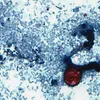
First up on the podcast, the News team’s Diverse Voices in Science Journalism interns Mona Patterson and Laura Martín Agudelo join host Sarah Crespi to talk over some of their reporting from the summer. They chat about several stories, including why it’s so difficult to track the food-borne illness cyclosporiasis and a new map for a major highway of the human nervous system. Check out all of Patterson’s and Martín Agudelo’s stories. Next on the show, Leslie Chan, assistant professor in the Wallace H. Coulter Department of Biomedical Engineering at the Georgia Institute of Technology and the Emory School of Medicine, describes an ingestible metabolic probe for the gut microbiome. Her team tested the pill in mice and showed they could detect an enzyme made by the microbiome that causes toxicity during some chemotherapy treatments. The signal is read from volatiles in the breath, making the test a noninvasive way to check on the activity of gut microbes. This week’s episode was produced with help from Podigy. Image credit: Melanie Moser/Centers for Disease Control and Prevention Learn more about your ad choices. Visit megaphone.fm/adchoices
Podzilla Summary coming soon
Sign up to get notified when the full AI-powered summary is ready.
Free forever for up to 3 podcasts. No credit card required.
Listen to This Episode
More from Science Magazine Podcast

Stimulating the brain for women’s health, and the long-term implications of menopausal symptoms

Studying the changing of AI language inside swarms, how orangutans learn to forage, and an astrophysicist talks about loss
Can ‘assisted migration’ save forests? And the role of philosophy in science

Psychoactive substances helped spur Andean civilization, and breaking barriers to education
Get summaries like this every morning.
Free AI-powered recaps of Science Magazine Podcast and your other favorite podcasts, delivered to your inbox.
Free forever for up to 3 podcasts. No credit card required.