Free Daily Podcast Summary
SEEING FACES IN MOVIES: Daily Summaries Delivered
by SEEING FACES IN MOVIES
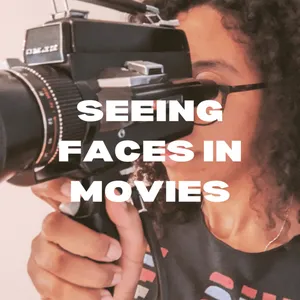
Seeing Faces in Movies is a podcast where every month the works of a different director or cinematographer is put in focus. Each week a guest is invited on to discuss a film in the artist's filmography.
Latest Episodes
The most recent episodes — sign up to get AI-powered summaries of each one.
- 1 weeks ago1h 28m
In The Mouth of Madness (John Carpenter 1994) w/ Patrick Lavallee
Felicia is joined by Patrick Lavallee to discuss the cosmic horror elements in John Carpenter’s In The Mouth of Madness (1994). We chat about his stamp on horror and how the genre has evolved over the decades. This is the last episode and in the series and it was recorded prior to Sam Neill’s passing, we want to use this as a letter of appreciation to him. Send us your thoughts on the episode by sending us a message on any of our social platforms or by email: seeingfacesinmovies@gmail.com Find Patrick here: IG: @paddyfitz__ Twitter: @HMurdock6 Letterboxd: @lou_brown Sources: https://www.ndsmcobserver.com/article/2025/10/in-the-mouth-of-madness-30-years-of-insanity https://cinephiliabeyond.org/in-the-mouth-of-madness/ https://filmthreat.com/uncategorized/building-horror-john-carpenter-on-in-the-mouth-of-madness/ https://www.inverse.com/entertainment/in-the-mouth-of-madness-oral-history https://www.fearsomequeer.net/blog/he-wrote-me-this-way-in-the-mouth-of-madness https://jonathanrosenbaum.net/2024/07/carpenter-s-gothic/ https://www.interviewmagazine.com/film/john-carpenter-halloween-horror
- Jun 22, 20261h 23m
The Thing (John Carpenter 1982) w/ Will Gaydos
Felicia is joined by Will Gaydos to discuss the long lasting importance of practical effects in John Carpenter’s The Thing (1982). We chat about Carpenter’s ties to Howard Hawks’ work, along with his working relationship with the great Dean Cundey. Send us your thoughts on the episode by sending us a message on any of our social platforms or by email: seeingfacesinmovies@gmail.com Find Will here: IG: @ragewilliams IG: @roadtripvintage Sources: https://mubi.com/en/notebook/posts/notebook-primer-john-carpenter https://mubi.com/en/notebook/posts/john-carpenters-deep-cuts https://www.bfi.org.uk/sight-and-sound/interviews/john-carpenter-dark-star-assault-precinct-13 https://maddrey.blogspot.com/2017/06/john-carpenter-revisited-assault-on.html https://cinephiliabeyond.org/assault-on-precinct-13/
- Jun 15, 20261h 4m
Assault on Precinct 13 (John Carpenter 1976) w/ Kazmo
Felicia is joined by Kazmo to discuss the influence of the western genre on John Carpenter’s Assault on Precinct 13 (1976). We chat about his use of multicultural cast members, and how he builds tension in the central locations in films. Send us your thoughts on the episode by sending us a message on any of our social platforms or by email: seeingfacesinmovies@gmail.com Find Kazmo here: Twitter: @heykazmo You can check out Kazmo’s appearances on the following podcasts: Movie Friends Podcast: https://linktr.ee/moviefriendspodcast Bad Movies We Love Podcast: https://linktr.ee/nicksheist Sources: https://mubi.com/en/notebook/posts/notebook-primer-john-carpenter https://mubi.com/en/notebook/posts/john-carpenters-deep-cuts https://www.bfi.org.uk/sight-and-sound/interviews/john-carpenter-dark-star-assault-precinct-13 https://maddrey.blogspot.com/2017/06/john-carpenter-revisited-assault-on.html https://cinephiliabeyond.org/assault-on-precinct-13/
- Jun 9, 20261h 18m
Prince of Darkness (John Carpenter 1987) w/ Darragh McGrath
Felicia is joined by Darragh McGrath to discuss how John Carpenter explores the depths of evil in his film Prince of Darkness (1987). We chat about how the film functions as a mood piece and the influence of the Quatermass series on Carpenter’s career. Send us your thoughts on the episode by sending us a message on any of our social platforms or by email: seeingfacesinmovies@gmail.com Find Darragh here: Letterboxd: @DarraghMcG IG: @Dreamworlds_films Listen to our previous episode here: Ace in the Hole (Billy Wilder 1951) Straight Time (Ulu Grosbard 1978) Minnie and Moskowitz (John Cassavetes 1971) The Tarnished Angels (Douglas Sirk 1957) The Prowler (D.O.P. Arthur C. Miller 1951) Sources: https://www.blackgate.com/2018/03/17/john-carpenter-prince-of-darkness-1988/ https://cinemafromthespectrum.com/2016/08/26/prince-of-darkness-review/ https://maddrey.blogspot.com/2018/02/john-carpenter-revisited-prince-of.html https://film-cred.com/john-carpenters-prince-of-darkness/ https://movingpicturesfilmclub.wordpress.com/2022/10/30/analysis-this-is-not-a-dream-finding-meaning-in-prince-of-darkness-1987/
- Jun 1, 20261h 40m
They Live (John Carpenter 1988) w/ Nick Sheist (Bad Movies We Love Podcast)
Felicia is joined by Nick Sheist to discuss John Carpenter’s exploration of the evil among us in They Live (1988). We chat about how the film is relevant now more than ever, and the realistic portrayal of Los Angeles in the 80s. This is the series opener and diving into the work of John Carpenter seems like a long time coming for this show. We’ll be covering some of his most important work and his fan favourites. Send us your thoughts on the episode by sending us a message on any of our social platforms or by email: seeingfacesinmovies@gmail.com Find Nick here: Linktree where you can find links to all of his shows and socials: https://linktr.ee/nicksheist Listen to our previous episode here: Christine (John Carpenter 1983) Sources: https://cinephiliabeyond.org/live-john-carpenters-brilliantly-simple-hugely-enjoyable-assault-reagans-america/ https://theasc.com/articles/from-outer-space-they-live https://www.giantfreakinrobot.com/ent/scifi/they-live-truth.html https://archive.nerdist.com/interview-john-carpenter-on-reviving-they-live/ https://filmotomy.com/1988-in-film-they-live/ https://psychodrivein.com/drive-in-saturday-they-live-1988/ https://offscreen.com/view/they-live-john-carpenter-1988 https://thequietus.com/interviews/john-carpenter-interview-2/
- May 18, 20261h 24m
Human Desire (Fritz Lang 1954) w/ Joey Gantner (Out of the Podcast)
Felicia is joined by Joey Gantner to discuss the effects of lust on a man in Fritz Lang’s Human Desire (1954). We chat about how the women in his film are more than your typical film noir femme fatale, and why it helps to separate this work from the other Grahame and Ford pairing. This is the last episode in the Lang series, it always feels like a task to tackle a huge director but a fun task nonetheless. My guests and I wanted to pick some of his slightly lesser known films to show the range and depth of his work, and we hope you feel inspired to dig a big deeper into his catalogue. Send us your thoughts on the episode by sending us a message on any of our social platforms or by email: seeingfacesinmovies@gmail.com Find Joey here: Spotify: Out of the Podcast Tape Record Label: sludge-people.com IG: @sludgepeople IG: @outofthepodcast Listen to our previous episodes here: To Live and Die in L.A. (D.O.P. Robby Müller 1985) Repo Man (Alex Cox 1984) Miracle Mile (Steve De Jarnatt 1988) Sources: Eisner, L. H. (1984). Fritz Lang. Cahiers du cinéma/Editions de l’étoile : Cinémathèque française. https://mubi.com/en/notebook/posts/interview-with-fritz-lang-beverley-hills-august-12-1972 https://fourstarfilmfan.com/2019/11/17/human-desire-1954/ https://mubi.com/en/notebook/posts/no-other-kind-close-up-on-fritz-lang-s-human-desire https://midwestfilmjournal.com/2024/05/03/fritz-on-fridays-human-desire-1954/ https://davidnilsenwriter.com/2015/06/22/the-trains-of-human-desire-1954/ https://www.sensesofcinema.com/2013/cteq/la-bete-humaine-unquiet-desperation/ https://notesoncinematograph.blogspot.com/2010/05/rivettedomarchi-interview-fritz-lang.html
- May 11, 20261h 20m
Ministry of Fear (Fritz Lang 1944) w/ Rolo Tony
Felicia is joined by Rolo Tony to discuss Fritz Lang’s return to his roots as he blends German expressionism and film noir in Ministry of Fear (1944). We chat about the impact of the set design along with the power of Ray Milland’s performance. Send us your thoughts on the episode by sending us a message on any of our social platforms or by email: seeingfacesinmovies@gmail.com Find Rolo Tony here: Twitter: @PoorOldRoloTony Letterboxd: @PoorOldRoloTony YouTube: @PoorOldRoloTony Twitter: @GuysGotJuice Spotify: @TheseGuysGotJuice Listen to our previous episodes here: Ghost Dog: The Way of the Samurai (Jim Jarmusch 1999) A Woman Under the Influence (John Cassavetes 1974) Sources: Eisner, L. H. (1984). Fritz Lang. Cahiers du cinéma/Editions de l’étoile : Cinémathèque française. https://www.criterion.com/current/posts/2690-ministry-of-fear-paranoid-style https://www.sensesofcinema.com/2022/cteq/an-entertainment-fritz-langs-ministry-of-fear-1944/ https://www.londonfictions.com/graham-greene-the-ministry-of-fear.html https://mubi.com/en/notebook/posts/ministry-of-fear-love-during-wartime https://mubi.com/en/notebook/posts/the-forgotten-auld-lang-syne https://www.criterion.com/films/28065-ministry-of-fear?srsltid=AfmBOoqHJpuDu7frQOsoLl3Tg5Mcvo4IqBCqmwIAYBqx2wOmLqaRgqPT https://vintagestardust.wordpress.com/2025/07/27/hans-dreier-art-director/
- Apr 27, 20261h 23m
The Woman in the Window (Fritz Lang 1944) w/ Raf Stitt (The Canon Podcast)
Felicia is joined by Raf Stitt to discuss Fritz Lang’s exploration of the male psyche in The Woman in the Window (1944). We chat about the impact of a twist ending, and how film noir is deeply rooted in German Expressionism. Send us your thoughts on the episode by sending us a message on any of our social platforms or by email: seeingfacesinmovies@gmail.com Find Raf here: Website: https://screenagewasteland.com/tag/the-canon-podcast/ Spotify: @ScreenageWasteland Apple:@ScreenageWasteland Letterboxd: @rafstitt IG: @rafstitt Twitter: @rafstitt Bluesky: @rafstitt Sources: Eisner, L. H. (1984). Fritz Lang. Cahiers du cinéma/Editions de l’étoile : Cinémathèque française. https://www.sensesofcinema.com/2002/cteq/woman_window/ https://heartofnoir.com/film/the-woman-in-the-window-1944/ https://www.tcm.com/articles/176542/the-woman-in-the-window-joan-bennett-and-edward-g-robinson-in-fritz-langs-film-noir-the-woman-in-the-window https://midwestfilmjournal.com/2024/01/05/fritz-on-fridays-the-woman-in-the-window-1944/
About SEEING FACES IN MOVIES
Seeing Faces in Movies is a podcast where every month the works of a different director or cinematographer is put in focus. Each week a guest is invited on to discuss a film in the artist's filmography.
Customized Recaps
AI-powered recaps with compact key takeaways, quotes, and insights.
Straight to Your Inbox
Get key takeaways from SEEING FACES IN MOVIES in a 5-minute read.
Save Hours Every Week
Stay current on your favorite podcasts without falling behind.
Frequently Asked Questions
What is Podzilla's SEEING FACES IN MOVIES daily summary?
It's a free AI-powered email that summarizes new episodes of SEEING FACES IN MOVIES as soon as they're published. You get the key takeaways, notable quotes, and links & mentions — all in a quick read.
How does the SEEING FACES IN MOVIES podcast summary work?
When a new episode drops, our AI transcribes and analyzes it, then generates a personalized summary tailored to your interests and profession. It's delivered to your inbox every morning.
Is this an official SEEING FACES IN MOVIES product?
No. Podzilla is an independent service that summarizes publicly available podcast content. We're not affiliated with or endorsed by SEEING FACES IN MOVIES.
Can I get summaries of other podcasts too?
Absolutely! The free plan covers up to 3 podcasts. Upgrade to Pro for 15, or Premium for 50. Browse our full catalog at /podcasts.
How often does SEEING FACES IN MOVIES release new episodes?
SEEING FACES IN MOVIES publishes weekly. Our AI generates a summary within hours of each new episode.
What topics does SEEING FACES IN MOVIES cover?
SEEING FACES IN MOVIES covers topics including History, Film, TV & Film, Comedy Interviews. Our AI identifies the specific themes in each episode and highlights what matters most to you.
Start getting SEEING FACES IN MOVIES summaries tomorrow morning.
Free forever for up to 3 podcasts. No credit card required.
Free forever for up to 3 podcasts. No credit card required.