Free Daily Podcast Summary
Tape Spaghetti: Daily Summaries Delivered
by Blake Wyland & Scott Marquart
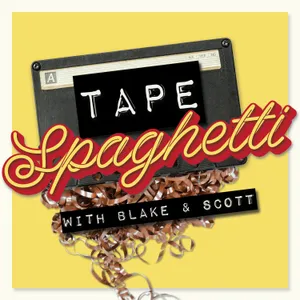
Welcome to Tape Spaghetti—where music history gets tangled. Hosts Blake Wyland and Scott Marquart dive into the wildest, weirdest, and most unexpected stories from the music industry. From legendary feuds to bizarre scandals, insane characters… and even murder! On this show we unravel the chaos behind the songs you love, the musicians you know, and stories that you need to hear.
Latest Episodes
The most recent episodes — sign up to get AI-powered summaries of each one.
- 5 days ago1h 8m
Did The Beatles Actually Revolutionize Recording?
What happens when the biggest band in the world starts asking engineers to do things recording equipment was never designed to do? Things get weird. But, did the Beatles really revolutionize the gear and recording techniques that changed the game? On this episode of Tape Spaghetti, Scott & Blake peek into the studio during the Beatles' most experimental years to explore the tricks, hacks, accidents, and genuine innovations that helped reshape recorded music. We’re talking artificial double tracking, tape loops, backwards guitars, Varispeed, Leslie speakers, overloaded consoles, synchronized tape machines, direct bass recording, and even a giant loudspeaker rewired to work as a microphone, all with a singular pursuit in mind: to record sounds that didn’t quite exist yet. Along the way, the guys bust some persistent Beatles myths and discover that plenty of their supposed “inventions” had actually been tried before. But that hardly makes the real story less impressive. Because the Beatles’ greatest studio innovation may not have been inventing new technology. It was persistently asking some very smart engineers “okay... but can you make it do this?”
- 1 weeks ago1h 1m
Elvis Presley Tried to Become a Federal Agent
By 1970, Elvis Presley had fame, money, guns, wicked karate skills, a collection of police badges, and the ability to get almost anything else he wanted. Then he decided he needed federal credentials. What followed was an absolutely bonkers few days. On this episode of Tape Spaghetti, Elvis storms out after a family argument, writes Richard Nixon a six-page letter, crisscrosses the country on commercial flights, and shows up unannounced at the White House dressed like…well, full-fledged 1970 Elvis. He offers his services to become a “federal agent at large" in order to fight against drugs, communism, hippies, and, for some reason, the Beatles. The resulting Oval Office photo became iconic, but the story behind it is so much stranger than most people know. Here's what happens when the federal government has trouble telling the King "no."
- 3 weeks ago1h 6m
Shoegaze: How My Bloody Valentine, Slowdive & Ride Lost the Battle and Won the War
In the early '90s, bands like My Bloody Valentine, Ride, Slowdive, and Lush transformed walls of distortion, oceans of reverb, and enough guitar pedals to bankrupt a small nation into Britain’s hottest new sound. Shoegaze had arrived, and seemed to be ushering in a new era of music out of England. Then the press turned on them, Britpop arrived, and suddenly being called a “shoegazer” was practically an insult. On this episode of Tape Spaghetti, Scott & Blake trace shoegaze from its unlikely origins and Loveless-era peak through its brutal fall from favor and its even more unlikely resurrection. How did a genre once mocked as boring and self-indulgent become a massive influence on generations of musicians to follow? For a style built around musicians staring at the floor, shoegaze has had one seriously wild ride.
- Sep 2, 202657 min
Lead Belly Part 2: How Huddie Ledbetter Helped Create The Beatles & Inspired Nirvana
No Lead Belly, no Beatles? Sounds like clickbait, but the musical family tree makes a surprisingly convincing case. On this episode of Tape Spaghetti, Scott and Blake wrap up the incredible story of Huddy Ledbetter and trace how a former prisoner from the Louisiana-Texas border became one of modern music’s most essential ancestors. After getting out of the "Alcatraz of the South," Angola Prison, Lead Belly became folklorist John Lomax's wingman. Before long, he was the main attraction, marketed to audiences as a dangerous, knife-wielding ex-con with a guitar. The messy partnership with Lomax didn't last, but Lead Belly sure did. He became an elder statesman to the emerging American folk movement, recorded everything from blues and cowboy songs to topical protest music, and passed along songs that traveled much farther than he ever could. “Rock Island Line” helped launch Britain’s skiffle craze, while “Goodnight Irene,” “Midnight Special,” “Cotton Fields,” and “In the Pines” eventually reached millions through the likes of Pete Seeger and CCR to Led Zeppelin and Nirvana. Huddie Ledbetter is possibly the most influential artist of the 20th century, and more people need to know why. Lets get into it!
- Aug 26, 202648 min
Lead Belly Part 1: Death, Prison & the Birth of a Legend
Long before Kurt Cobain's legendary performance of “Where Did You Sleep Last Night?” on MTV Unplugged, there was Lead Belly. Wandering folk hero. Convicted killer. Musical encyclopedia. A man so talented he supposedly sang his way out of prison...twice. On this episode of Tape Spaghetti, Scott and Blake dig into the real Huddie Ledbetter and discover that the truth is every bit as fascinating as the mythology. From rowdy Shreveport bars and a friendship with Blind Lemon Jefferson, to chain gangs, an assumed identity, a homicide conviction, and hard labor at Angola, Lead Belly lived a life almost impossible to summarize neatly. Along the way, he mastered the booming 12-string style that became his signature and preserved songs that would eventually reach everyone from Creedence Clearwater Revival to Nirvana. Then folklorists John and Alan Lomax arrived with a recording machine weighing hundreds of pounds, and helped transform an already remarkable musician into one of American music’s most enduring legends.
- Aug 18, 20261h 16m
The Tragic Life and Death of Marvin Gaye
Marvin Gaye made some of the most beautiful music ever recorded, but behind it was a life defined by a constant struggle for control. On this episode of Tape Spaghetti, Scott and Blake trace Gaye’s journey from an abusive childhood to the pinnacle of Motown, where Berry Gordy’s hit-making machine dictated everything from his sound to his image. Gaye fought back with What’s Going On, staking his career on an album that Gordy didn't want released, and winning spectacularly. But hit records couldn't bring Gaye peace. After a brutal divorce led to a scathingly personal record and millions of dollars in tax debt, Gaye rose from the ashes on the strength of "Sexual Healing," and he once again seemed to be on top of the world. Then an unthinkable family dispute brought everything to a screeching, fatal halt.
- Aug 11, 20261h 2m
Ringo Starr, Phil Collins & Kirk Hammett: The Replacements Who Changed Everything
Getting kicked out of a band is no fun at all. But what happens when losing the “wrong” person turns out to be exactly the right move? This week on Tape Spaghetti, Scott and Blake dig into famous lineup changes that looked risky, unpopular, or downright catastrophic at the time, only to completely reshape music history. The Beatles canned Pete Best and replaced him with Ringo Starr on the cusp of universal stardom. Not only did Genesis survive the loss of Peter Gabriel, they absolutely thrived with Phil Collins behind the mic. Dave Mustaine spent two turbulent years as Metallica's lead guitarist before his departure opened the door for Kirk Hammett, and the foundation of Megadeth. Yep, these ruthless business decisions sparked the creative evolutions that changed pop music forever, and proved that sometimes the person who seems impossible to replace is anything but. Here's how some key rock 'n' roll personnel changes actually made everything better... sometimes.
- Aug 4, 20261h 19m
Paul Simon’s Graceland Problem
What happens when incredible music collides with impossible politics? In this episode of Tape Spaghetti, Scott and Blake dive into the tangled history of Paul Simon's Graceland, tracing how one bootleg cassette led to a Grammy-winning masterpiece... and an international controversy. When Simon laid his ears on some extremely jive hits from South Africa, it helped him break a wicked creative slump and create an all-timer album featuring some righteously amazing South African artists. Sounds groovy, right? Well, it mostly was. Except, by ignoring a United Nations boycott and recording in apartheid South Africa, Simon ended up in the crosshairs of some serious criticism. In a debate where every side believed they were doing the right thing, was Simon helping oppressed artists reach the world stage, or was he undermining a global effort to end decades of segregation?
Get Tape Spaghetti summaries in your inbox
Free AI-powered daily recaps. Key takeaways, quotes, and mentions — in a 5-minute read.
Get Free Summaries →Free forever for up to 3 podcasts. No credit card required.
You Might Also Like
Listeners also like.

DISGRACELAND
True crime stories behind legendary musicians, exploring the chaos, drama, and human cost of fame with reverence and depth.

Tape Notes
A music producer and artist discuss their studio collaboration, breaking down the creative process behind a song from idea to final mix.

Conspiracy Theories
Examines conspiracy theories surrounding major historical events and cultural phenomena, exploring their origins and influence.

Broken Record with Rick Rubin, Malcolm Gladwell, Bruce Headlam and Justin Richmond
Musicians discuss their creative process and life in music through candid conversations about inspiration and artistic growth.

Professor of Rock
Music historian Adam Reader examines the origins and stories of classic rock songs through interviews and detailed episode explorations.
Everyone Loves Guitar
Conversations with guitarists and music insiders about their lives, careers, and the personal lessons behind their success.

Untitled Beatles Podcast
Two comedians humorously explore the Beatles' music and legacy in long-form, casual conversations.

You'll Hear It: Full Album Deep Dives with Jazz Musicians
Jazz pianists analyze legendary albums track by track, revealing musical intricacies through theory, live demonstration, and performance.

Bandsplain
A podcast where experts break down cult bands and iconic artists to explore why they resonate with fans.

Sound Opinions
A music review and interview show featuring rock critics discussing new releases, classic records, and artist conversations.

HOLLYWOODLAND
Examines crimes connected to Hollywood figures and film history, from murders to conspiracies and scandals.
The Cobain 50
Explores Kurt Cobain’s musical influences by examining albums from his personal top 50 list.
About Tape Spaghetti
Welcome to Tape Spaghetti—where music history gets tangled. Hosts Blake Wyland and Scott Marquart dive into the wildest, weirdest, and most unexpected stories from the music industry. From legendary feuds to bizarre scandals, insane characters… and even murder! On this show we unravel the chaos behind the songs you love, the musicians you know, and stories that you need to hear.
Customized Recaps
AI-powered recaps with compact key takeaways, quotes, and insights.
Straight to Your Inbox
Get key takeaways from Tape Spaghetti in a 5-minute read.
Save Hours Every Week
Stay current on your favorite podcasts without falling behind.
Frequently Asked Questions
What is Podzilla's Tape Spaghetti daily summary?
It's a free AI-powered email that summarizes new episodes of Tape Spaghetti as soon as they're published. You get the key takeaways, notable quotes, and links & mentions — all in a quick read.
How does the Tape Spaghetti podcast summary work?
When a new episode drops, our AI transcribes and analyzes it, then generates a personalized summary tailored to your interests and profession. It's delivered to your inbox every morning.
Is this an official Tape Spaghetti product?
No. Podzilla is an independent service that summarizes publicly available podcast content. We're not affiliated with or endorsed by Blake Wyland & Scott Marquart.
Can I get summaries of other podcasts too?
Absolutely! The free plan covers up to 3 podcasts. Upgrade to Pro for 15, or Premium for 50. Browse our full catalog at /podcasts.
How often does Tape Spaghetti release new episodes?
Tape Spaghetti publishes weekly. Our AI generates a summary within hours of each new episode.
What topics does Tape Spaghetti cover?
Tape Spaghetti covers topics including History, Music, True Crime. Our AI identifies the specific themes in each episode and highlights what matters most to you.
Start getting Tape Spaghetti summaries tomorrow morning.
Free forever for up to 3 podcasts. No credit card required.
Free forever for up to 3 podcasts. No credit card required.