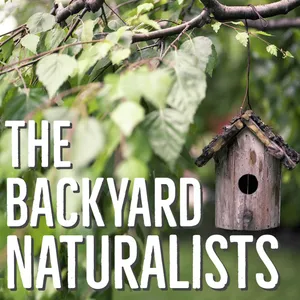
Free Daily Podcast Summary
The Backyard Naturalists: Daily Summaries Delivered
by Debbie Foster and Laurie Horne
Embark on a magical adventure into the wonders of your backyard with 'The Backyard Naturalists' podcast. Whether you're a curious nature lover or a seasoned enthusiast, our show is your ticket to discovering the enchanting world of your own outdoor space. Join us on a journey of discovery as we celebrate the beauty of your backyard and explore a wide range of fascinating topics. Learn how to transform your little piece of nature into a haven for local wildlife, and discover the joy of citizen science by participating in events like the Great Backyard Bird Count. We'll guide you in creating a thriving ecosystem right at home by using native plants. Discover which fascinating creatures share your area, and learn how to attract specific bird species to your garden. We'll also delve into the world of raptors, both common and rare, that inhabit the Greater Charlotte region, and witness the mesmerizing spectacle of spring and fall bird migrations. But that's not all! We'll also introduce you to the magical world of plants that attract butterflies and so much more. Join us in unlocking the hidden treasures within your very own backyard and nurturing a deeper connection with the natural world.
Latest Episodes
The most recent episodes — sign up to get AI-powered summaries of each one.
- 1 weeks ago26 min
Fun and Festive Fall Flowers
Welcome to The Backyard Naturalists, the show about anything and everything connected with nature. In this episode of The Backyard Naturalists, we dive into the joys of fall gardening! With cooler temperatures and colorful leaves setting the stage, now is the perfect time to plant native perennials that will thrive through the season and beyond. Learn about the best fall planting practices, including checking for pesticide-free plants and finding region-specific perennial favorites like Heuchera, Echinacea, Black-eyed Susans, and more. Our hosts, Debbie and Laurie, also share their favorite deer and rabbit-resistant picks from the National Wildlife Federation's Garden for Wildlife program, as well as expert recommendations from local nurseries like Carolina Heritage Nursery and the Matthews Community Farmers Market. Plus, get tips on upcoming fall plant sales and a special event on tree adoption in Matthews, North Carolina. Tune in for all things fun, festive, and floral this fall, and don't forget to share photos of your garden with us! If you have ideas for topics that you'd like us to pursue, send us a message either on our Facebook page or our website. We would really like to hear from you. Connect with the Backyard Naturalists on the Web, Facebook and Instagram. Please visit and support our presenting sponsor, Backyard Birds at http://www.thebirdfoodstore.com/. A mecca for bird lovers and bird watchers, Backyard Birds is an independent family-owned business located in Matthews, NC (next to Dairy Queen), just southeast of Charlotte. Thanks for listening to The Backyard Naturalists. We hope you have a day filled with the wonders of nature. Get outside and take a walk on the wild side! Please don't forget to leave a 5-star review for The Backyard Naturalists podcast.
- 2 weeks ago16 min
Embracing Fall: Nature Activities and Wildlife Tips for the Season
Welcome to The Backyard Naturalists, the show about anything and everything connected with nature. In this fall-themed episode of "The Backyard Naturalists," hosts Debbie and Laurie, based near Charlotte, delve into the wonders of the autumn season. They discuss the changeable weather and share their favorite aspects of fall. The episode is packed with practical advice for nature enthusiasts, including: Installing owl boxes: Now is the perfect time to set up owl boxes before these nocturnal birds start searching for nesting sites. Avoiding excessive fall cleanup: Embrace the natural messiness of fall, as wildlife relies on natural debris for habitat and food. Planting native perennials, trees, and shrubs: Learn the best practices for timing and watering to ensure successful planting. Participating in "Lights Out" campaigns: Help protect migrating birds from building collisions by turning off unnecessary lights at night. Debbie and Laurie also caution against using fake spider web decorations for Halloween, highlighting the dangers they pose to wildlife. They emphasize the importance of leaving seed heads and stems in gardens to support wildlife, especially goldfinches still feeding their young. Listeners are encouraged to try at least one of these fall activities and share their experiences. The hosts also suggest reaching out to local Audubon societies to get involved in "Lights Out" programs. Tune in for an informative and inspiring episode that celebrates the beauty and importance of fall in the natural world. If you have ideas for topics that you'd like us to pursue, send us a message either on our Facebook page or our website. We would really like to hear from you. Connect with the Backyard Naturalists on the Web, Facebook and Instagram. Please visit and support our presenting sponsor, Backyard Birds at http://www.thebirdfoodstore.com/. A mecca for bird lovers and bird watchers, Backyard Birds is an independent family-owned business located in Matthews, NC (next to Dairy Queen), just southeast of Charlotte. Thanks for listening to The Backyard Naturalists. We hope you have a day filled with the wonders of nature. Get outside and take a walk on the wild side! Please don't forget to leave a 5-star review for The Backyard Naturalists podcast.
- Aug 29, 202614 min
Bizarre Animal Behaviors – Nature Gets Weird!
If you have ideas for topics that you'd like us to pursue, send us a message either on our Facebook page or our website. We would really like to hear from you. Connect with the Backyard Naturalists on the Web, Facebook and Instagram. Please visit and support our presenting sponsor, Backyard Birds at http://www.thebirdfoodstore.com/. A mecca for bird lovers and bird watchers, Backyard Birds is an independent family-owned business located in Matthews, NC (next to Dairy Queen), just southeast of Charlotte. Thanks for listening to The Backyard Naturalists. We hope you have a day filled with the wonders of nature. Get outside and take a walk on the wild side! Please don't forget to leave a 5-star review for The Backyard Naturalists podcast.
- Aug 22, 202626 min
Tick Talk: Protecting Yourself from Tick-Borne Illnesses
Welcome to The Backyard Naturalists, the award-winning podcast about anything and everything connected with nature, heard in 115 countries, 50 states, and all throughout the Carolinas. Honored with the Best of the Weeklies podcast award by the readers of the Matthews-Mint Hill Weekly, we bring you engaging and educational content each week. In this episode, your hosts, Debbie and Laurie delve into the crucial topic of ticks and tick-borne illnesses. Beginning with personal observations from their own backyards, such as baby bluebirds in a birdbath, they transition to explaining that the idea for this episode came from a listener in Florida. Ticks, parasitic arachnids related to spiders and mites, thrive in humid, warm climates and wooded areas. They use body heat, breath, motion, and scent to locate hosts to bite and drink blood from. With tick-borne illnesses on the rise, including potentially life-threatening diseases like Lyme disease, awareness is more important than ever. Debbie and Laurie discuss common ticks found in the US, such as the deer tick and lone star tick, and the illnesses they can transmit. They provide essential tips for protecting yourself: wearing light clothing, using repellent carefully, tucking pants into socks, showering after being outdoors, putting clothes in the dryer to kill ticks, and performing thorough tick checks. Proper tick removal with tweezers and saving the tick in case of later illness is also highlighted. Seeking medical care promptly if symptoms develop is crucial. Overall, this episode provides an overview of ticks as a public health issue, prevention strategies, and steps to take if you find a tick, aiming to educate and protect listeners. If you have ideas for topics that you'd like us to pursue, send us a message either on our Facebook page or our website. We would really like to hear from you. Connect with the Backyard Naturalists on the Web, Facebook and Instagram. Please visit and support our presenting sponsor, Backyard Birds at http://www.thebirdfoodstore.com/. A mecca for bird lovers and bird watchers, Backyard Birds is an independent family-owned business located in Matthews, NC (next to Dairy Queen), just southeast of Charlotte. Thanks for listening to The Backyard Naturalists. We hope you have a day filled with the wonders of nature. Get outside and take a walk on the wild side! Please don't forget to leave a 5-star review for The Backyard Naturalists podcast. Production services for The Backyard Naturalists podcast are provided by Downtown Podcasting. To start a conversation on how you can have a podcast, simply send an email to info@downtownpodcasting.com.
- Aug 15, 202626 min
Amazing Animal Adaptations with Stan Tekiela
Welcome to The Backyard Naturalists, the show about anything and everything connected with nature. In this episode of The Backyard Naturalists, Debbie and Laurie are joined by renowned nature photographer, author, and wildlife expert Stan Tekiela to explore the incredible world of animal adaptations. From polar bears' heat-absorbing fur and bats' echolocation abilities to the hibernation habits of bears and chipmunks, Stan shares fascinating insights into how animals survive and thrive in diverse environments. Listeners will hear about remarkable examples of adaptation, like how American goldfinches change colors with the seasons, giraffes' long necks for feeding, and even the resilience of frogs that freeze solid in winter. Stan explains how these adaptations develop over millions of years and why backyard habitats are essential for supporting nesting birds and other wildlife. Dive into the wonders of evolution and discover how animals' unique traits help them overcome environmental challenges in this captivating episode! If you have ideas for topics that you'd like us to pursue, send us a message either on our Facebook page or our website. We would really like to hear from you. Connect with the Backyard Naturalists on the Web, Facebook and Instagram. Please visit and support our presenting sponsor, Backyard Birds at http://www.thebirdfoodstore.com/. A mecca for bird lovers and bird watchers, Backyard Birds is an independent family-owned business located in Matthews, NC (next to Dairy Queen), just southeast of Charlotte. Thanks for listening to The Backyard Naturalists. We hope you have a day filled with the wonders of nature. Get outside and take a walk on the wild side! Please don't forget to leave a 5-star review for The Backyard Naturalists podcast. Production services for The Backyard Naturalists podcast are provided by Downtown Podcasting. To start a conversation on how you can have a podcast, simply send an email to info@downtownpodcasting.com.
- Aug 8, 202639 min
Summer in Your Habitat
Summer is STILL here, and if you've stepped outside lately, you've probably felt it too—sweltering heat, sticky air, and maybe even a few critters making themselves a little too comfortable in your backyard. In this episode of The Backyard Naturalists, Debbie and Laurie (with Chris chiming in, of course!) share a lighthearted but practical guide to keeping your habitat healthy during the hottest stretch of the year. ☀️ Heat & Hydration – Creative ways to keep bird baths cool, from ice cubes to misters, plus why moving feeders into shade can make all the difference. 🐦 Summer Feeding Tips – When to swap out hummingbird nectar, how to keep suet from melting, and a freezer trick to protect birdseed from pests. 🌪️ Weather & Wildlife – Preparing your yard before storms, and what to do if you find a nest on the ground afterward. 🌱 Pests & Plants – Why spraying isn't the answer, how to handle Japanese beetles and mosquitoes naturally, and which invasive plants to watch out for. 🦝 Backyard Bullies – From raccoons and squirrels to starlings and outdoor cats, Debbie and Laurie share stories, laughs, and tried-and-true tricks to keep the peace. This isn't just about surviving summer—it's about helping your backyard thrive. With practical tips, neighborly humor, and plenty of "whoa!" moments, you'll walk away ready to make your space a safe, welcoming spot for wildlife (and maybe a little cooler for yourself, too). Don't miss this fun, informative episode of The Backyard Naturalists! Listen now, and be sure to subscribe, share with a friend, and leave us a review so more folks can discover how rewarding it is to care for the nature right outside their door.
- Aug 1, 202627 min
iNaturalist – Connecting People, Nature, and Science
This week on The Backyard Naturalists, Debbie and Laurie welcome Allison Young, Director of Outreach Programs for iNaturalist, the global platform that's changing the way people experience nature. Whether you're snapping a photo of a butterfly in your backyard, spotting a rare bird on a hike, or identifying tracks in the mud, iNaturalist turns those moments into data that helps fuel research, conservation, and environmental education worldwide. Allison takes us behind the scenes of iNaturalist, from its humble beginnings as a grad school project at UC Berkeley in 2008 to a thriving community of over 3.5 million users who have contributed 260+ million observations from more than 130 countries. She shares amazing success stories—like the rediscovery of species thought extinct, surprising range expansions, and new species discoveries—proving that every observation matters. You'll also learn how easy it is to get started, why common species are just as valuable to document as rare ones, and how iNaturalist's unique mix of technology and community makes it "the friendliest place on the internet." Plus, Debbie and Laurie swap a few of their own backyard sightings and ideas for using iNaturalist in guided walks and local nature events.
- Jul 25, 202630 min
Snake Deterrents: What Works, What Doesn't
Summer is heating up across the Carolinas, and that means snakes are on the move — and stirring up plenty of conversation. In this episode, Debbie and Laurie bust myths and tackle misinformation about snake deterrents, exploring what truly works (and what absolutely doesn't) to keep these fascinating reptiles out of spaces where they aren't welcome. From mothballs to marigolds, ultrasonic gadgets to sticky traps, the hosts share a science-based look at these so-called "solutions" and offer practical, humane advice for managing your yard in a way that discourages unwanted snake visits without harming them or other wildlife. If you've ever wondered how to keep your backyard nature-friendly and less attractive to snakes, you'll love this timely, sometimes funny, always down-to-earth episode. 🎧 The Backyard Naturalists is the podcast about anything and everything connected with nature, heard in 125 countries, all 50 U.S. states, and throughout the Carolinas. Proudly named Best of the Weeklies Podcast by Matthews–Mint Hill Weekly two years running!
Get The Backyard Naturalists summaries in your inbox
Free AI-powered daily recaps. Key takeaways, quotes, and mentions — in a 5-minute read.
Get Free Summaries →Free forever for up to 3 podcasts. No credit card required.
You Might Also Like
Listeners also like.
Terrestrials
Nature stories that reveal surprising animal and plant behaviors through immersive, family-friendly audio adventures.
Nat Theo Nature Lessons Rooted in the Bible
Explores nature and science through a biblical lens, helping kids and families see how creation reflects God’s design.
BBC Gardeners’ World Magazine Podcast
Expert gardening advice, seasonal tips, and global garden travels from BBC Gardeners’ World Magazine.

Wild Edible World: A Foraging Podcast
Explores wild edible plants and mushrooms, sharing global foraging knowledge and ways to identify and use them safely.
Gardening with the RHS
Seasonal gardening advice from RHS experts, covering planting, design, pest control, and flower show insights for all skill levels.
The Beginner's Garden with Jill McSheehy
A practical guide for new gardeners, breaking down gardening basics and terminology to help beginners grow confidently.

The American Birding Podcast
Discusses birds, birding, conservation, and birding-related travel with experts and enthusiasts across North America and beyond.

The joe gardener Show - Organic Gardening - Vegetable Gardening - Expert Garden Advice From Joe Lamp'l
Joe Lamp'l shares practical, organic gardening advice focused on growing food and sustainable practices for gardeners of all skill levels.
BirdNote Daily
Short audio stories about birds and nature that highlight animal behavior, sounds, and conservation.
Black in the Garden
Explores the intersection of Black culture and gardening through conversations about plants, identity, and community.

Wildlife Photography
Photographers discuss wildlife and nature photography techniques, experiences, and creative inspiration in casual conversation.
Get Birding
A birder and actor guides listeners through the basics of birdwatching and nature connection.
About The Backyard Naturalists
Embark on a magical adventure into the wonders of your backyard with 'The Backyard Naturalists' podcast. Whether you're a curious nature lover or a seasoned enthusiast, our show is your ticket to discovering the enchanting world of your own outdoor space. Join us on a journey of discovery as we celebrate the beauty of your backyard and explore a wide range of fascinating topics. Learn how to transform your little piece of nature into a haven for local wildlife, and discover the joy of citizen science by participating in events like the Great Backyard Bird Count. We'll guide you in creating a thriving ecosystem right at home by using native plants. Discover which fascinating creatures share your area, and learn how to attract specific bird species to your garden. We'll also delve into the world of raptors, both common and rare, that inhabit the Greater Charlotte region, and witness the mesmerizing spectacle of spring and fall bird migrations. But that's not all! We'll also introduce you to the magical world of plants that attract butterflies and so much more. Join us in unlocking the hidden treasures within your very own backyard and nurturing a deeper connection with the natural world.
Customized Recaps
AI-powered recaps with compact key takeaways, quotes, and insights.
Straight to Your Inbox
Get key takeaways from The Backyard Naturalists in a 5-minute read.
Save Hours Every Week
Stay current on your favorite podcasts without falling behind.
Frequently Asked Questions
What is Podzilla's The Backyard Naturalists daily summary?
It's a free AI-powered email that summarizes new episodes of The Backyard Naturalists as soon as they're published. You get the key takeaways, notable quotes, and links & mentions — all in a quick read.
How does the The Backyard Naturalists podcast summary work?
When a new episode drops, our AI transcribes and analyzes it, then generates a personalized summary tailored to your interests and profession. It's delivered to your inbox every morning.
Is this an official The Backyard Naturalists product?
No. Podzilla is an independent service that summarizes publicly available podcast content. We're not affiliated with or endorsed by Debbie Foster and Laurie Horne.
Can I get summaries of other podcasts too?
Absolutely! The free plan covers up to 3 podcasts. Upgrade to Pro for 15, or Premium for 50. Browse our full catalog at /podcasts.
How often does The Backyard Naturalists release new episodes?
The Backyard Naturalists publishes weekly. Our AI generates a summary within hours of each new episode.
What topics does The Backyard Naturalists cover?
The Backyard Naturalists covers topics including Leisure, Science, Hobbies, Nature. Our AI identifies the specific themes in each episode and highlights what matters most to you.
Start getting The Backyard Naturalists summaries tomorrow morning.
Free forever for up to 3 podcasts. No credit card required.
Free forever for up to 3 podcasts. No credit card required.