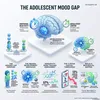
Why Teen Girls’ Moods Change So Often
Adolescence is often described as an “emotional rollercoaster,” but neuroscience offers a more compassionate explanation 🧠💭In this episode, we explore why teenage girls may experience frequent and sometimes intense mood shifts—not as randomness, but as part of a rapidly developing brain. During puberty, key brain systems involved in emotion, reward, and self-control do not mature at the same pace. This temporary mismatch can make feelings seem stronger, faster, and harder to predict.We also look at how hormonal changes, evolving self-image, social comparison, and digital environments 📱 can all interact to shape daily emotional experiences. What might seem like “small situations” can feel deeply significant to a developing brain that is highly sensitive to social and emotional cues.Most importantly, this episode reframes mood changes not as “overreacting,” but as a normal part of growth—where a young brain is learning how to feel, regulate, and understand a complex world 🌿A thoughtful, science-based, and gentle look at teenage emotional life for parents, educators, and anyone who wants to understand adolescent girls more deeply.#TeenGirls #MentalHealth #Adolescence #Neuroscience #BrainDevelopment #Parenting #PsychologyPodcast #EmotionalHealth #TeenMentalHealth #FemaleBrain 🎧
Podzilla Summary coming soon
Sign up to get notified when the full AI-powered summary is ready.
Free forever for up to 3 podcasts. No credit card required.
Listen to This Episode
More from The Deep Dive Lab: Unraveling Materials Science
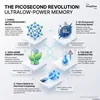
⚡ 40 Picoseconds to the Future: The Memory Breakthrough That Could Supercharge AI

🧠 The ADHD Brain Delay Myth: How a 2026 Study Overturned 20 Years of Neuroscience
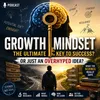
🧠 The Growth Mindset Myth? What the Science Really Says

A Wearable Polygraph? The Smart Sticker Reading Your Stress Levels 😲🧠
Get summaries like this every morning.
Free AI-powered recaps of The Deep Dive Lab: Unraveling Materials Science and your other favorite podcasts, delivered to your inbox.
Free forever for up to 3 podcasts. No credit card required.