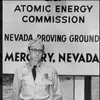
1953 NEVADACONTENTS THE JOHN BATCHELOR SHOW, 10-6-2026iz Peek analyzes the surprising strength of the American consumer, who continues driving economic growth despite inflation and high interest rates. Luxury spending remains robust, boosted by the wealth effect from surging stock portfolios and real estate values. Meanwhile, artificial intelligence and data center expansion have emerged as pivotal local political issues in midterm election battleground states, where foreign actors like China may be exploiting environmental anxieties to hinder American technological progress. (1)European Political And Economic ShiftsJudy Dempsey, co-host Thaddeus McCotter: Dempsey and McCotter discuss major political and economic shifts across Europe. In Germany, the populist Alternative for Germany party seeks influence in the Saxony-Anhalt regional assembly, while a treason scandal involving a former spy chief raises intelligence concerns. Simultaneously, France faces severe financial strain as rising bond yields and national debt threaten eurozone stability. French attempts to implement necessary spending cuts and welfare reforms continue triggering intense public backlash. (2)Diplomatic Pressure And Hemispheric ShiftsMary Kissel examines critical international diplomatic developments under the Trump administration. She supports Secretary Marco Rubio ordering Iranian negotiators out of the United States after stalled peace talks, arguing economic pressure requires confronting Chinese and Russian backing of Tehran. In Latin America, Kissel highlights a positive political shift toward free market governance, exemplified by election developments in Brazil and Argentina, while urging stronger action to counter Chinese intelligence operations in Cuba. (3)Federal Reserve Governance And Data CentersJoseph Sternberg addresses governance failures at the Federal Reserve alongside political issues surrounding technology infrastructure. An Inspector General report revealed that massive cost overruns in renovating Fedheadquarters stemmed from administrative incompetence rather than criminal misconduct, damaging the central bank's reputation. Additionally, Sternberg analyzes growing voter resistance against artificial intelligence data centers in midterm battleground states, noting how public distrust of big tech companies and local authorities drives opposition to essential technological investments. (4)Midterm Landscape And Party LeadershipThaddeus McCotter analyzes the complex political landscape surrounding the 2026 midterm elections. He evaluates Vice President JD Vance defending controversial publicly funded campaign advertisements, noting that while taxpayer spending alienates traditional voters, Vance's extensive grassroots outreach builds valuable party credit for future leadership. McCotter compares current conditions to historical midterms, highlighting how low presidential approval ratings, populist economic messaging from both parties, and localized campaign strategies shape voter engagement. (5)Finland's Stubb And Transatlantic DefenseJosh Rogin introduces Finnish President Alexander Stubb, who guided his nation into NATO following Russia's invasion of Ukraine. Known for his pro-American background, Stubb manages hybrid warfare threats with a calm approach while preserving diplomatic room for future peacemaking with Moscow. Through a strategic golf connection and a landmark deal to construct Arctic icebreakers for the United States, Stubb successfully navigated transatlantic relations with Donald Trump, illustrating how European allies can effectively strengthen Western defense. (6)South Lebanon's Unenforced Peace AgreementHussain Abdul-Hussain explains the complex diplomatic impasse in South Lebanon following the creation of experimental pilot security zones. Although a State Department framework required the Lebanese army to disarm Hezbollah before Israeli forces withdraw, military leadership refuses to act due to civil war fears. Meanwhile, UNIFILpeacekeeping operations have proven ineffective and are scheduled to disband by year's end. Consequently, covert Iranian sponsorship continues sustaining Hezbollah, leaving the signed peace agreement completely unenforced. (7)Secret Syria Hezbollah Turkey TalksAhmad Sharawi and Bill Roggio examine reports of secret negotiations in Turkey between Syrian officials and Hezbollah representatives. Although both parties officially denied the meeting, analysts suggest discussions centered on preventing Hezbollah weapons smuggling across Syrian borders and deconflicting regional tensions. This dialogue illustrates how former adversaries explore pragmatic accommodations for mutual leverage. Ultimately, Syrian leadership demonstrates calculated political opportunism, maneuvering between Turk
Podzilla Summary coming soon
Sign up to get notified when the full AI-powered summary is ready.
Free forever for up to 3 podcasts. No credit card required.
Listen to This Episode
More from The John Batchelor Show
STREAMING THE MAKING OF THE JOHN BATCHELOR SHOW-10-6-2026

9. SYRIA - Theater Nuclear Deterrence Gap Widens - PETER HUESSY 100626
8. SYRIA - Secret Syria Hezbollah Turkey Talks - AHMAD SHARAWI & BILL ROGGIO 100626
7. LEBANON - South Lebanon's Unenforced Peace Agreement - HUSSAIN ABDUL-HUSSAIN 100626
Get summaries like this every morning.
Free AI-powered recaps of The John Batchelor Show and your other favorite podcasts, delivered to your inbox.
Free forever for up to 3 podcasts. No credit card required.