Free Daily Podcast Summary
The Media Show: Daily Summaries Delivered
by BBC Radio 4
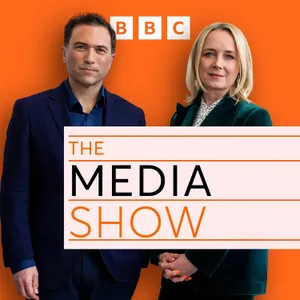
Social media, anti-social media, breaking news, faking news: this is the programme about a revolution in media.
Latest Episodes
The most recent episodes — sign up to get AI-powered summaries of each one.
- 4 days ago42 min
Man City verdict, Dead Internet Theory, The Art of Casting
Manchester City arranged "sham contracts" with a number of commercial partners as part of a scheme to disguise secret funding of more than £830m, the Premier League says. We discuss how the media was involved in reporting the story over many years with BBC Sport's Laura Scott; Der Spiegel journalist Christoph Winterbach; Nick Harris from Sporting Intelligence and Sky’s sports correspondent Rob Harris.New research from Stanford University suggests a significant share of newly created websites may now be produced, at least in part, by artificial intelligence. We hear from one of the study's lead researchers, Maty Boháček, alongside technology writer Timandra Harkness, about the scale of AI-generated content online and what it means for the future of the web.Celebrity Traitors and Strictly Come Dancing are back on our screens. But what goes into casting the stars who make these formats a success? Celebrity talent executive Stef Aleksander takes us behind the scenes of one of television's most important and least visible jobs.
- 1 weeks ago42 min
Trump’s legal battle with White House press, the global media spotlight on the village of Piddington, Diana media narratives
The legal confrontation between Donald Trump and the White House press corps raises questions about press freedom and the limits of presidential control over media access. We talk to Ronnell Anderson Jones, University Distinguished Professor of Law, and Washington Post media reporter Scott Nover. In Oxfordshire, the village of Piddington has drawn global attention over plans to house more than a thousand asylum seekers. Guardian journalist Amelia Gentleman and BBC South’s Jamie Morris report on how a local dispute became an international story. The publication of Earl Spencer’s book about Diana, serialised by the Daily Mail, has reignited debate over who shapes the late Princess’s legacy. BBC Royal Correspondent Sean Coughlan, Evening Standard Royal Editor Robert Jobson and media law expert Mark Stephens discuss the competing narratives and legal implications.Presenters: Katie Razzall and Ros Atkins Producer: Lisa Jenkinson
- 2 weeks ago42 min
Is the right of reply under threat in the social media age?
The right of reply has long been a cornerstone of journalism, giving those involved in a story the chance to respond before publication. But with politicians and public figures now using social media to publish their own version first, is this principle being undermined? Guto Harri, former Downing Street Director of Communications, Professor Karen Fowler-Watt from City St George’s, University of London, and journalist Matt Shea assess how the practice is changing.As streaming services compete for attention, TV remotes usually now include buttons for platforms like Netflix and YouTube often paid for by the services themselves. UK broadcasters argue this disadvantages British platforms and have called for a dedicated ‘British’ button. Technology historian Edd Thomas and Professor Catherine Johnson from the University of Leeds explain why the remote has become such a significant battleground.Universities are increasingly offering degrees in content creation, with Arizona State University launching a BA in the subject and several UK institutions following suit. But is a degree necessary for success in this field? Damien Jordan, creator of Damien Talks Money, and Jackie Gurr, Course Leader for BA Content Creation at Nottingham Trent University, share their perspectives on what formal education can offer aspiring creators.Presenters: Katie Razzall and Ros Atkins Producer: Lisa Jenkinson
- 3 weeks ago42 min
70 Up the final instalment of 7 Up, Culture Secretary Lisa Nandy on the BBC & how polling informs political media strategy?
What does Channel 4's undercover investigation into Reform UK tell us about the relationship between polling, politics and the press? Katie Razzall and Ros Atkins hear from journalists Jake Kanter International Investigations Editor at Deadline, and James Ball Political Editor at The New World, and the polling experts Professor Sir John Curtice and Stephan Shakespeare CEO of YouGov. They also hear from the Culture Secretary Lisa Nandy about the future of the BBC and speak to ITV's Jo Clinton-Davis about 70 Up, the final instalment of one of television's most remarkable documentary projects.Producer: Lisa Jenkinson
- Sep 2, 202642 min
Reporting the Taliban, AI's "meat proxies" and The Grand Tour returns
Five years after the Taliban retook control of Afghanistan, BBC Chief International Correspondent Lyse Doucet has returned to the country to report on life under the regime, including the secret schools educating girls despite restrictions on female education. Lyse joins us to explain how reporting trips to Afghanistan are organised, what it is like negotiating access with the Taliban and how journalists protect vulnerable sources.Artificial intelligence is changing the way information is created and shared, and a new phrase has emerged to describe one aspect of that shift: the "meat proxy". Coined by German software engineer Niklas Gruhn, the term refers to people acting as conduits for AI-generated content. Niklas explains why he believes the phenomenon matters and whether AI risks weakening human judgement. We also explore a debate sparked by the Wall Street Journal after it defended publishing an opinion article created with the assistance of AI. Will Oremus of The Atlantic and Diane Brady of Fortune discuss what the controversy means for transparency and the future of opinion journalism.Good Food has become one of Britain's most successful digital publishing brands, attracting hundreds of millions of recipe views every year. Senior Food Editor Barney Desmazery, who has spent more than two decades with the brand previously known as BBC Good Food, reflects on the evolution of recipe media, from magazines and websites to social media platforms and he explains why trusted food journalism still matters.The Grand Tour is back with a completely new presenting line-up. Viral train enthusiast Francis Bourgeois joins YouTube creators James Engelman and Thomas Holland of Throttle House as Amazon revives the motoring format made famous by Jeremy Clarkson, Richard Hammond and James May. Executive producer and director Phil Churchward explains why the programme turned to digital creators and how the new format differs from previous versions,Presenter: Ros Atkins Producer: Lisa Jenkinson
- Aug 26, 202642 min
YouTube and the battle for television’s future
As the Edinburgh TV Festival gets under way, attention is focused on YouTube's growing position in the television market. Against a backdrop of changing viewing habits and competition between broadcasters and digital platforms, questions remain about audience reach, commissioning and distribution. Alison Lomax, Managing Director of YouTube UK, talks to Ros Atkins and outlines the company's position. Jamie MacDonald, Head of Originals at After Party Studios, Richard Cowles, CEO of Lifted Entertainment, and Claire Mundell, Managing Director and Creative Director of Synchronicity Films outline priorities and predictions for their areas of the industry.Producer: Lisa Jenkinson Assistant Producer: Laura Cain
- Aug 19, 202642 min
Jason Arday: examining the media coverage after his death
The death of Cambridge academic Jason Arday has prompted intense debate about media conduct, following weeks of reporting on allegations of plagiarism and questions about aspects of his life story. Critics have accused journalists of contributing to an atmosphere of relentless scrutiny, while others argue that legitimate public interest questions were being pursued. Nick Clark, a childhood friend of Jason Arday, reflects on his experience of speaking to reporters. Charles Moore, columnist at The Telegraph and The Spectator, Seun Matiluko, freelance journalist, Sarah Ditum, Times Columnist and Stephen Bush, columnist at the Financial Times, consider questions of proportionality, public interest and journalistic responsibility.Presenters: Katie Razzall and Ros Atkins Producer: Lisa Jenkinson
- Aug 12, 202642 min
Jason Arday, Investigating Football, Broadcasters Moving to YouTube
The resignation of Cambridge professor Jason Arday is one of the biggest stories to hit British academia in years. We speak to Times Higher Education journalist Jack Grove, who began investigating allegations of plagiarism more than a year ago but says legal threats prevented his publication from reporting them at the time.Last month, The Times’ Martyn Ziegler revealed that FIFA president Gianni Infantino had been exploring plans to sell stakes in the World Cup to private investors. He joins New York Times Global Sports Correspondent Tariq Panja to discuss what it takes to break a major football story.And as established broadcasters like Holly Willoughby move onto YouTube, does success on TV automatically translate online? Former Top Gear presenter James May joins us to reveal what he’s learned from building his own successful YouTube channel, Planet Gin.Guests: Jack Grove, Reporter and Deputy Features Editor, Times Higher Education; Martyn Ziegler, Chief Sports Reporter, The Times; Tariq Panja, Global Sports Correspondent, The New York Times; James May, Presenter, Planet Gin; Lucy Brown, Producer, Planet Gin; Holly Graham, Chief Commercial and Strategy Officer, Little Dot Studios.Producer: Dan Hardoon Presenter: Katie Razzall
Get The Media Show summaries in your inbox
Free AI-powered daily recaps. Key takeaways, quotes, and mentions — in a 5-minute read.
Get Free Summaries →Free forever for up to 3 podcasts. No credit card required.
You Might Also Like
Listeners also like.
Feedback
A forum for audience feedback, including comments, questions, critiques, and praise.
Analysis
Examines the ideas and forces shaping public policy in Britain and abroad with writers, journalists, and academics.

On the Media
Analyzes media narratives, misinformation, and bias to help listeners understand how news is shaped and reported.

Trending
Covers social media with in-depth reporting.

Podcast Radio Hour
Presenters highlight favorite podcasts and interview their creators.

Free Thinking
Philosophers, historians, and critics explore current events through the lens of history, culture, and ideas.

Top Comment
Examines viral internet trends, controversial influencers, and the hidden forces shaping online content.

Beyond Today
Examines major news stories and global issues around identity, technology, and power through expert interviews and BBC reporting.

Friday Night Comedy from BBC Radio 4
Satirical comedy shows from BBC Radio 4 that tackle the week’s news with sharp humor and parody.

When It Hits the Fan
Analyzes how PR and media shape political, celebrity, and corporate scandals through expert breakdowns of real-time reputation crises.
The New World
Explores global shifts in politics, truth, demographics, and power as societies face transformative change.
The Interface
Explores how technology shapes human life, culture, and identity through discussions on AI, social media, cybersecurity, and digital trends.
About The Media Show
Social media, anti-social media, breaking news, faking news: this is the programme about a revolution in media.
Customized Recaps
AI-powered recaps with compact key takeaways, quotes, and insights.
Straight to Your Inbox
Get key takeaways from The Media Show in a 5-minute read.
Save Hours Every Week
Stay current on your favorite podcasts without falling behind.
Frequently Asked Questions
What is Podzilla's The Media Show daily summary?
It's a free AI-powered email that summarizes new episodes of The Media Show as soon as they're published. You get the key takeaways, notable quotes, and links & mentions — all in a quick read.
How does the The Media Show podcast summary work?
When a new episode drops, our AI transcribes and analyzes it, then generates a personalized summary tailored to your interests and profession. It's delivered to your inbox every morning.
Is this an official The Media Show product?
No. Podzilla is an independent service that summarizes publicly available podcast content. We're not affiliated with or endorsed by BBC Radio 4.
Can I get summaries of other podcasts too?
Absolutely! The free plan covers up to 3 podcasts. Upgrade to Pro for 15, or Premium for 50. Browse our full catalog at /podcasts.
How often does The Media Show release new episodes?
The Media Show publishes weekly. Our AI generates a summary within hours of each new episode.
What topics does The Media Show cover?
The Media Show covers topics including Culture, Society & Culture. Our AI identifies the specific themes in each episode and highlights what matters most to you.
Start getting The Media Show summaries tomorrow morning.
Free forever for up to 3 podcasts. No credit card required.
Free forever for up to 3 podcasts. No credit card required.