Free Daily Podcast Summary
The Science and Art of Open Water Swimming: Daily Summaries Delivered
by Grant Landers
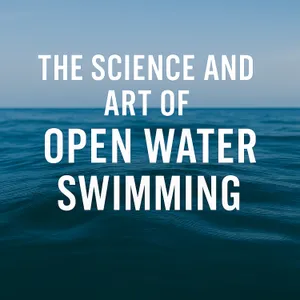
The Science and Art of Open Water Swimming explores what it really takes to swim well and safely in open water. Hosted by endurance swimming coach and sport scientist Grant Landers, the podcast brings together swimmer stories, coaching insights, and evidence-based science to unpack performance, preparation, and decision-making in unpredictable environments. Each episode features conversations with open water swimmers, triathletes, coaches, and researchers, covering topics such as training alongside work and family life, adapting to conditions, managing uncertainty, and learning from both success and setbacks. The podcast is informed by Grant’s work coaching endurance swimmers and triathletes, as well as his research at the University of Western Australia, but it’s intended for the broader open water swimming community. Whether you’re preparing for your first open water event or refining your performance at the endurance end of the sport, this is where swimmers, science, and the sea converge.
Latest Episodes
The most recent episodes — sign up to get AI-powered summaries of each one.
- 5 days ago45 min
Will Rollo: Stewardship, Safety and the Rottnest Channel Swim
The Rottnest Channel Swim is one of Western Australia's most iconic sporting events, attracting thousands of swimmers, paddlers, skippers, volunteers and supporters each year. But behind every successful crossing is a huge effort to balance tradition, participation and swimmer safety. In this episode, I speak with Will Rollo, President of the Rottnest Channel Swim Association, about his own journey in open water swimming and what it means to help steward one of the world's largest open water swimming events. We discuss the origins and evolution of the Rottnest Channel Swim, the role of teams and solos in growing the sport, the contribution of paddlers, skippers and volunteers, and how the Association approaches risk management, safety and decision-making in an increasingly complex environment. We also explore the role of research and innovation, including Swimming Induced Pulmonary Oedema (SIPE), route optimisation technology, weather-related challenges, out-of-event crossings, and the opportunities and responsibilities that come with guiding the event into the future. Whether you're planning your first crossing, supporting a swimmer, or simply interested in the people behind major endurance events, this conversation offers a behind-the-scenes look at the stewardship of the Rottnest Channel Swim and the community that makes it possible. Enjoyed this episode? If you found this conversation valuable, share it with a training partner or someone in your swimming or triathlon community. You can also follow The Science and Art of Open Water Swimming on Facebook and Instagram for more episodes, insights and updates. This interview was recorded on Whadjuk Noongar Boodjar. I acknowledge the Noongar people as the Traditional Custodians of these lands and waters and pay my respects to Elders past and present.
- 1 weeks ago46 min
Dr Andrew Lyttle: Biomechanics, Curiosity and the Science of Drag
Dr Andrew Lyttle has spent more than three decades helping athletes and coaches better understand how humans move through the water. From his PhD research on drag and swimming efficiency at UWA, through nearly 20 years at WAIS, to his current role as National Performance Support Lead for Biomechanics at the AIS, Andrew has been at the forefront of swimming biomechanics in Australia. In this episode, we explore the science of drag, why efficient swimming should feel easier rather than harder and how our understanding of technique has evolved over time. Andrew shares lessons from his research, his experiences working with elite swimmers and coaches, and some of the key biomechanical principles that apply to both pool and open water swimming. Whether you're a swimmer, triathlete, coach or simply curious about the science behind performance, this conversation offers a fascinating insight into what makes swimmers faster and more efficient in the water. Enjoyed this episode? If you found this conversation valuable, share it with a training partner or someone in your swimming or triathlon community. You can also follow The Science and Art of Open Water Swimming on Facebook and Instagram for more episodes, insights and updates. This interview was recorded on Whadjuk Noongar Boodjar. I acknowledge the Noongar people as the Traditional Custodians of these lands and waters and pay my respects to Elders past and present.
- 2 weeks ago44 min
Barbara Pellick: I Reckon I Could Swim Back
Barbara Pellick: I Reckon I Could Swim Back As a child, Barbara Pellick stood on Cottesloe Beach looking out towards Rottnest and wondered whether anyone could swim that far. Years later, after completing her first solo Rottnest crossing, she found herself standing on the beach at Rottnest thinking something even more ambitious: "I reckon I could swim back." In this episode of The Science & Art of Open Water Swimming, Barb reflects on a lifetime in the water, from discovering open water swimming in Bunbury to completing 30 solo Rottnest Channel crossings, becoming the first woman to complete a Rottnest double crossing, and going on to become the first Western Australian to complete the Triple Crown of Open Water Swimming. Along the way, we discuss: How a relatively late start led to a lifetime of marathon swimming The story behind her first solo Rottnest crossing and the decision to swim back What it was like attempting a Rottnest double crossing in 1994 The lessons learned from the English Channel, Manhattan Island, and Catalina Channel Completing more than 50 marathon swims without a DNF Why mindset matters more than most swimmers realise The joy of coaching and helping others achieve goals they once thought impossible Taking on the challenge of ice swimming and completing the Extreme Ice Mile Throughout the conversation, Barb reflects on persistence, self-belief, embracing challenge, and the importance of finding your own reason why. Whether you're training for your first open water swim or your next major challenge, Barb's story is a reminder that remarkable achievements often begin with a simple idea: "I reckon I could swim back." Enjoyed this episode? If you found this conversation valuable, share it with a training partner, swim squad mate, or someone who loves the water. Word of mouth is one of the best ways to help the podcast reach more swimmers and support more conversations like this one. Follow The Science & Art of Open Water Swimming on your favourite podcast platform so you never miss a future episode. This interview was recorded on Whadjuk Noongar Boodjar. I acknowledge the Noongar people as the Traditional Custodians of these lands and waters and pay my respects to Elders past and present.
- 3 weeks ago46 min
Charlotte O'Beirne: Mermaids, Confidence and Finding Your Place in the Water
Charlotte O'Beirne is the founder of Swimming Women, open water swimmer, coach, community builder and self-described "Chief Mermaid". In this conversation, Charlotte shares her journey from competitive swimming in England to marathon ocean swimming in Western Australia, including multiple Rottnest Channel crossings and a personal battle with fear in the ocean. More importantly, she explains how those experiences led to the creation of Swimming Women, a community that has helped thousands of women build confidence, develop new skills and discover a sense of belonging in the water. We discuss the importance of safe and supportive swimming environments, the power of community, lessons learned from coaching women of all ages and abilities, and why swimming is often about much more than swimming itself. Whether you're a pool swimmer, open water swimmer, triathlete, coach, or someone considering a return to the water, this episode is a reminder that there are many ways to find your place in swimming. Links 🌊 Swimming Women https://www.swimmingwomen.com.au 📸 Swimming Women on Instagram https://www.instagram.com/swimmingwomen 📘 Swimming Women on Facebook https://www.facebook.com/SwimmingWomen Enjoyed this episode? If you found this conversation valuable, share it with a training partner or someone in your swimming or triathlon community. You can also follow The Science and Art of Open Water Swimming on Facebook and Instagram for more episodes, insights and updates. This interview was recorded on Whadjuk Noongar Boodjar. I acknowledge the Noongar people as the Traditional Custodians of these lands and waters and pay my respects to Elders past and present.
- Aug 31, 202645 min
Dr Jeremy Drake: Persistence, Exercise and Cancer Research
Dr Jeremy Drake is a cancer researcher at Deakin University, a former elite triathlete and a current world championship age-group medallist. More than twenty years ago, I had the opportunity to coach Jeremy during his early years in elite draft-legal triathlon. Since then, his journey has spanned international triathlon competition, a PhD in cancer biology and a career dedicated to understanding how exercise and stress influence cancer progression. In this conversation, we explore the lessons Jeremy learnt from elite sport, including a challenging introduction to draft-legal racing in Hobart and the persistence required to bounce back just six weeks later. We discuss the realities of balancing a PhD with high-performance sport, the role of resilience in both science and athletics and the personal experiences that shaped Jeremy's commitment to cancer research. Jeremy shares the story of his mother's breast cancer diagnosis, how it transformed his perspective as both a scientist and a son and the importance of persistence when facing setbacks in life, sport and research. We also dive into some fascinating emerging science exploring the relationship between exercise, stress and cancer. Jeremy explains what myokines are, how exercising muscles communicate with the rest of the body and why researchers are increasingly interested in the role physical activity may play in improving cancer outcomes. We also discuss: The unique demands of elite draft-legal triathlon Persistence, failure and learning from setbacks Balancing sport, research and life Stress and cancer progression Exercise as medicine Art, creativity and fundraising for cancer research The future of exercise oncology Links ProMetTre Cancer Research https://pmtcr.org/ Jeremy Drake, Deakin University https://experts.deakin.edu.au/43898-jeremy-drake Instagram https://www.instagram.com/scienceandartofows/ Enjoyed this episode? If you found this conversation valuable, share it with a training partner or someone in your swimming or triathlon community. You can also follow The Science and Art of Open Water Swimming on Facebook and Instagram for more episodes, insights and updates. This interview was recorded on Whadjuk Noongar Boodjar. I acknowledge the Noongar people as the Traditional Custodians of these lands and waters and pay my respects to Elders past and present.
- Aug 24, 202648 min
Prof Peter Reaburn: Successful Ageing, Masters Athletes and Swimming for Life
What does it mean to age successfully as an athlete? In this episode, I sit down with Professor Peter Reaburn, one of Australia's leading experts on masters athletes and someone who has spent a lifetime bridging the gap between sport science and real-world athletic performance. Peter's journey spans competitive swimming, surf lifesaving, triathlon, academia and masters sport. From winning one of Queensland's earliest triathlons and achieving his goal of racing the Ironman World Championship in Hawaii, to leading research into healthy ageing and athletic performance, Peter brings a unique combination of scientific expertise and lived experience. Together, we explore: What defines a masters athlete The concept of successful ageing Why increasing numbers of older adults are turning to open water swimming The role of social connection in lifelong participation How training should evolve as we age The importance of maintaining intensity and introducing new training stimuli Strength training, muscle mass and healthy ageing Recovery, sleep and nutrition for masters athletes Open water swimming skills, safety and preparation Common mistakes older athletes make Practical advice for swimmers who want to remain active and competitive for life Throughout the conversation, Peter shares not only the science underpinning healthy ageing and athletic performance, but also lessons learned from more than five decades in swimming, surf lifesaving and endurance sport. Whether you're an open water swimmer, triathlete, coach or simply interested in maintaining health and performance as you age, this episode provides valuable insights into what it means to stay active, engaged and thriving throughout life. Resources Mentioned in This Episode Research on successful ageing in masters athletes (David Geard and colleagues) Research on recovery in masters athletes (Thomas Doering, Nattai Borges and colleagues) Peter Reaburn's work on masters athlete training, recovery and longevity Miami Masters Swimming Club Masters Swimming Australia Enjoyed this episode? If you found this conversation valuable, share it with a training partner or someone in your swimming or triathlon community. You can also follow The Science and Art of Open Water Swimming on Facebook and Instagram for more episodes, insights and updates. https://www.instagram.com/scienceandartofows/ (@scienceandartofows) This interview was recorded on Whadjuk Noongar Boodjar. I acknowledge the Noongar people as the Traditional Custodians of these lands and waters and pay my respects to Elders past and present.
- Aug 17, 202647 min
William Ellis: Why We Come to the Water
Why do people come to the water, and what keeps them returning? In this episode, I’m joined by William Ellis: open-water swimmer, marathon swim coach, actor, voice artist, and host of An Open Water Swimmer's Podcast. Through his own swimming journey and hundreds of conversations with swimmers from around the world, Will has developed a unique perspective on resilience, community, personal growth, and the role the water can play in helping us navigate life's challenges. Our conversation explores: Developing mastery when progress feels slow What acting and swimming can teach us about resilience Confidence, uncertainty and taking on ambitious challenges How swimming helped Will navigate grief and adversity The importance of community and connection in open-water swimming What Will has learned from interviewing swimmers from all walks of life Why people come to the water, and what they find there We also discuss Will's successful English Channel crossing, his circumnavigation swims of Jersey, his preparation for a 70 km lengthwise swim of Lake Geneva, and the charitable work supporting his son Odie's specialist school. Find out more about Will 🌊 An Open Water Swimmer's Podcast https://owswimpod.com 🎙️ William Ellis https://www.williamhenryellis.com 🏊♂️ Open Water Swimming profile https://www.openwaterswimming.com/actor-and-open-water-swimmer-will-ellis-raises-funds-for-charity-through-podcast-and-solo-swims/ ❤️ Lake Geneva fundraiser supporting Odie's specialist SEND school https://www.justgiving.com/page/william-ellis-lake-geneva?newPage=true Enjoyed this episode? If you found this conversation valuable, share it with a training partner or someone in your swimming or triathlon community. You can also follow The Science and Art of Open Water Swimming on Facebook and Instagram for more episodes, insights and updates. https://www.instagram.com/scienceandartofows/ (@scienceandartofows) This interview was recorded on Whadjuk Noongar Boodjar. I acknowledge the Noongar people as the Traditional Custodians of these lands and waters and pay my respects to Elders past and present.
- Aug 10, 202637 min
Sam Moore: Community, Inclusion and the GeoBay Swim
What makes an open water swimming event truly accessible? In this episode of The Science & Art of Open Water Swimming, I speak with Sam Moore, one of the driving forces behind the GeoBay Swim, a unique 20 km point-to-point swim from Dunsborough to Busselton that has quickly become a favourite on the Western Australian open water swimming calendar. Sam shares the story of how the event grew from an idea during Ironman WA training sessions in Geographe Bay, and how a chance conversation led him to discover that coach Mick Bray had created a similar swim years earlier. We explore how that original concept evolved into the GeoBay Swim we know today. We discuss: The origins and history of the GeoBay Swim The influence of Mick Bray and the local swimming community Why the event doesn't require support boats The unique "beach party" changeover format Stopping the clock and encouraging a more social relay experience Wetsuits, inclusion, and reducing barriers to participation GeoBay's role as a stepping stone to swims such as Rottnest and Port to Pub Why the event continues to grow and recently sold out The future of the event, including potential shorter-distance options More broadly, this conversation explores how thoughtful event design can help more people experience the challenge, community and enjoyment of open water swimming. Links GeoBay Swim https://www.geobayswim.com.au/ GeoBay Swim on Instagram https://www.instagram.com/geobayswim/ GeoBay Swim on Facebook https://www.facebook.com/geobayswim Parkinson's WA https://www.parkinsonswa.org.au/ Connect with the Podcast Follow The Science & Art of Open Water Swimming for conversations with swimmers, coaches, researchers and event organisers exploring the many dimensions of open water swimming. If you enjoyed this episode, please share it with a friend, your swim squad, or anyone interested in open water swimming. This interview was recorded on Whadjuk Noongar Boodjar. I acknowledge the Noongar people as the Traditional Custodians of these lands and waters and pay my respects to Elders past and present.
Get The Science and Art of Open Water Swimming summaries in your inbox
Free AI-powered daily recaps. Key takeaways, quotes, and mentions — in a 5-minute read.
Get Free Summaries →Free forever for up to 3 podcasts. No credit card required.
You Might Also Like
Listeners also like.
Swim Roots - Open Water Swimming
Profiles of open water swimmers and their motivations, exploring the culture and community behind the sport.
The Joy of Swimming
Conversations with open water and sea swimmers exploring the culture and thrill of cold water swimming.

From A to Sea – The Southern Star Sea Swimming Podcast
A conversation series exploring sea swimming in West Cork and Ireland, its growing popularity, and the region’s coastal culture.
Tri Swim Coach Podcast
Swimming tips and training strategies for triathletes, from beginner to elite, with insights from coaches and pros.
Wild Swimming Wangers
Two writers share their experiences and adventures in wild swimming, focusing on dips in natural and outdoor waters.
The SwimSwam Podcast
Conversations with top swimmers and rising stars about the past, present, and future of competitive swimming.

Social Kick • Swim Culture & Stories
Conversations with swimmers ranging from Olympians to recreational athletes, exploring swim culture and shared experiences.

Life After Swim
Retired swimmers share experiences and advice on adjusting to life after competitive swimming, with open conversations about mental health.
The Swim Culture
Discusses aquatics and its impact on Black culture, creating dialogue around swimming and current events affecting Black communities.
Water Rescue with Dr. Michael Kachmar, DPM
Conversations with water rescue professionals about their real-world experiences, training, and operations in saving lives on the water.
Between The Laps with Coach Chris
A swim coach shares strategies and insights for developing young athletes, focusing on communication, training, and character building.
The Get Out Swim
A swim coach explores the world of competitive swimming, covering athlete stories, training evolution, and college recruitment.
About The Science and Art of Open Water Swimming
The Science and Art of Open Water Swimming explores what it really takes to swim well and safely in open water. Hosted by endurance swimming coach and sport scientist Grant Landers, the podcast brings together swimmer stories, coaching insights, and evidence-based science to unpack performance, preparation, and decision-making in unpredictable environments. Each episode features conversations with open water swimmers, triathletes, coaches, and researchers, covering topics such as training alongside work and family life, adapting to conditions, managing uncertainty, and learning from both success and setbacks. The podcast is informed by Grant’s work coaching endurance swimmers and triathletes, as well as his research at the University of Western Australia, but it’s intended for the broader open water swimming community. Whether you’re preparing for your first open water event or refining your performance at the endurance end of the sport, this is where swimmers, science, and the sea converge.
Customized Recaps
AI-powered recaps with compact key takeaways, quotes, and insights.
Straight to Your Inbox
Get key takeaways from The Science and Art of Open Water Swimming in a 5-minute read.
Save Hours Every Week
Stay current on your favorite podcasts without falling behind.
Frequently Asked Questions
What is Podzilla's The Science and Art of Open Water Swimming daily summary?
It's a free AI-powered email that summarizes new episodes of The Science and Art of Open Water Swimming as soon as they're published. You get the key takeaways, notable quotes, and links & mentions — all in a quick read.
How does the The Science and Art of Open Water Swimming podcast summary work?
When a new episode drops, our AI transcribes and analyzes it, then generates a personalized summary tailored to your interests and profession. It's delivered to your inbox every morning.
Is this an official The Science and Art of Open Water Swimming product?
No. Podzilla is an independent service that summarizes publicly available podcast content. We're not affiliated with or endorsed by Grant Landers.
Can I get summaries of other podcasts too?
Absolutely! The free plan covers up to 3 podcasts. Upgrade to Pro for 15, or Premium for 50. Browse our full catalog at /podcasts.
How often does The Science and Art of Open Water Swimming release new episodes?
The Science and Art of Open Water Swimming publishes weekly. Our AI generates a summary within hours of each new episode.
What topics does The Science and Art of Open Water Swimming cover?
The Science and Art of Open Water Swimming covers topics including Sports, Swimming. Our AI identifies the specific themes in each episode and highlights what matters most to you.
Start getting The Science and Art of Open Water Swimming summaries tomorrow morning.
Free forever for up to 3 podcasts. No credit card required.
Free forever for up to 3 podcasts. No credit card required.