Free Daily Podcast Summary
The Simple Garden Life: Daily Summaries Delivered
by Simple Garden Life
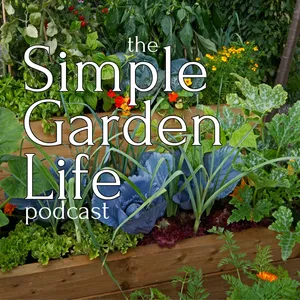
A program dedicated to keeping the art of gardening simple, fun, and always rewarding. Hosts Jim and Mary Competti have been writing, speaking and sharing their love of gardening for the last decade. Co-authors of Growing Simple and Raised Row Gardening, they take an enthusiastic approach to giving solid, straightforward advice on growing everything from vegetables, to perennials, annuals and more! Each week, Jim and Mary take on a new gardening topic with gusto, taking the listener through the how and why's of gardening, along with advice on how to always keep it fun and enjoyable.
Latest Episodes
The most recent episodes — sign up to get AI-powered summaries of each one.
- May 12, 202620 min
How To Keep Your Hanging Baskets Blooming Big - All Summer Long!
Want to know the best way to keep your hanging baskets healthy, strong – and most importantly – loaded with blooms all summer long this year?If there is one issue that seems to plague gardeners when it comes to their hanging baskets – it’s how to keep them healthy and blooming longer for more than just a month or two at most! Of course when you pick those new baskets out early in the year, they are always lush and full of blooms, but that changes so quickly.Unfortunately, by mid to late summer, a large majority of hanging baskets begin to rapidly fade. What was once a bright bouquet of foliage and blooms often turns into an eyesore filled with brown leaves and a sparse collection of struggling flowers.In today's epsiode - Jim & Mary cover three simple tips that will not only make it possible to keep your baskets thriving, gorgeous and blooming – but to do so all the way through summer and deep into fall!
- Apr 30, 202617 min
How To Fertilize Hostas - Keep Your Hostas Beautiful This Year!
This week Jim & Mary are talking hostas - or more importantly - how and when to fertilize hostas to keep them beautiful all summer long!Unlike most perennials and annuals, hostas are almost always grown for their beautiful foliage. Although they do produce a long, slender stem of blooms in the summer, it is their incredibly colorful and large leaves that are really the star of the show.With massive leaves that come in a variety of solid and variegated greens, whites, creams and blueish-green colors, they are simply perfect for brightening up the shadier portions of a landscape.But if there is one trait of hostas that give gardeners fits, it’s that their amazing foliage often begins to fail long before fall arrives. In fact, for many, their hosta plants struggle just to make it through the middle of summer!The good news is that with just the slightest of extra care and attention, hostas can keep their leaves strong the whole season through. And without a doubt – one of the easiest ways to ensure that is by giving them the perfect dose of energy!
- Apr 22, 202621 min
How To Supercharge Your Tomato Planting Hole – 4 Must Add Ingredients To Power Plants Early!
Getting your tomato plants off to a great start is one of the biggest keys to growing a big harvest of juicy tomatoes in the summer – and there is no better way to jump start your crop than putting a big dose of power in your tomato planting hole with four simple but powerful ingredients!Tomato plants are one of the heaviest feeders of all vegetable plants. They need a lot of nutrients. Not only to produce delicious tomatoes, but to power all-important early growth. And strong, early growth is the key to setting the stage for a bumper crop of tomatoes. Jim and Mary cover how to plant your tomatoes with the power they need right from the start - with four key ingredients in their planting hole!
- Apr 15, 202620 min
How To Fill Your Raised Beds With The Right Soil Mix!
When it comes to growing healthy, productive vegetables and flowers in raised beds – success all begins with filling your raised beds with the perfect mix of soil! The soil you put into your raised beds matters. To grow great plants it needs to be lightweight, full of nutrients – and also drain well. Which is exactly why how you fill them up matters! It’s important to think of raised beds just as you would a container or potted plant. This is because they both have limited soil capacity. To be successful, a potted plant needs to have great drainage as well as be loose and lightweight. In addition, it also needs to packed with nutrients.That is exactly the same formula for success when growing in raised beds. The soil has to drain excess water away in quick fashion. If it doesn’t, plants will struggle to grow and can easily rot out in the soil.On this week's episode, Jim & Mary take a look at the best method for filling up your beds, and why simply loading them full of just plain soil is not good for your plants – or your raised beds life and longevity either.
- Apr 6, 202618 min
The 3 Biggest Mistakes Gardeners Make Mulching Flowerbeds - And How To Avoid Them
When it comes to maintaining healthy plants and weed-free flowerbeds, mulch is the answer. There is little doubt that it has tremendous benefits for the flowers growing in your flowerbeds – especially when it put down correctly. But let’s face it, the number one reason gardeners put down mulch is to stop weeds. And unfortunately, for many who go through the expense and effort of mulching their beds each year in hopes to finally put an end to their weeding chores – their mulching process actually only helps their weed problems multiply! So how can you avoid all of that hard work and heartache? Jim & Mary look at the three most common miscues gardeners make when mulching, and how to put down your mulch perfectly for weed free and care free flowerbeds!
- Mar 23, 202616 min
The Best Way To Use Egg Shells To Power Plants & Recharge Your Soil!
Are you using egg shells correctly in your garden and flowerbeds? Egg shells are one of the most commonly recommended organic ingredients for powering up garden soil and plants. And for good reason! Egg shells are rich in calcium, which happens to be a critical nutrient for strong plant cell walls. Calcium is also vital for overall plant health. Calcium also plays a critical role in the formation of fruit. In fact, when there is a lack of available calcium, common garden ailments like blossom end rot on tomatoes and peppers can be a big issue. For all of the reasons above, egg shells, which are made up of over 90% calcium carbonate, can certainly help provide calcium to your plants and the soil they grow in. But here’s the issue – most gardeners don’t use them in a way that maximizes their benefits. Today - Jim & Mary cover the best ways to use egg shells to give your plants and the soil the power it needs!
- Mar 12, 202615 min
The Best Way To Fertilize Daylilies In Early Spring – How To Get Bigger Blooms This Year!
Jim & Mary discuss early spring daylily care - and how to best fertilize them for bigger blooms! The best time to fertilize daylilies is in early spring – and with one simple and easy application, you can set your daylilies up for bigger and better blooms than ever this year! Daylilies are one of the most popular of all perennial plants for home gardeners. Not only are they easy to grow and establish, they also happen to be extremely drought tolerant as well. Even more, they require little in the way of yearly maintenance to keep them growing strong and healthy. But if there is one thing that you can do for your daylilies to really maximize their blooming potential, it’s to give them a yearly dose of power in late winter or early spring, right before they begin to take off and begin to grow!
- Apr 2, 202420 min
The Best Way To Support Tomatoes - DIY Tomato Supports!
If you are looking for the best way to support your tomato plants this year without spending a fortune - today's episode covers how to create the perfect DIY solution that can hold the biggest of plants without worry! Tomato cages have been around for years, but they can be expensive. Not only that, many cages simply grow out of the ground when plants get too big. Tomato stakes are another option, but they too have issues. Not only are they hard to tie tomato plants to, they easily snap if plants get too big and heavy. And whether you use cages or stakes – the real issue is that they don’t last for long. In fact, most don’t make it past a season or two without needing to be replaced. Jim and Mary walk listeners through the simple steps to build strong and sturdy tomato supports that make growing tomatoes easier than ever. And best of all - not only will they last for years and years, they are quite inexpensive to build too!
Get The Simple Garden Life summaries in your inbox
Free AI-powered daily recaps. Key takeaways, quotes, and mentions — in a 5-minute read.
Get Free Summaries →Free forever for up to 3 podcasts. No credit card required.
You Might Also Like
Listeners also like.
The Beginner's Garden with Jill McSheehy
A practical guide for new gardeners, breaking down gardening basics and terminology to help beginners grow confidently.
The joe gardener Show - Organic Gardening - Vegetable Gardening - Expert Garden Advice From Joe Lamp'l
Joe Lamp'l shares practical, organic gardening advice focused on growing food and sustainable practices for gardeners of all skill levels.
Gardening with the RHS
Seasonal gardening advice from RHS experts, covering planting, design, pest control, and flower show insights for all skill levels.
BBC Gardeners’ World Magazine Podcast
Expert gardening advice, seasonal tips, and global garden travels from BBC Gardeners’ World Magazine.
Farm Small Farm Smart Daily
A daily podcast covering practical farming and gardening topics, from soil prep to marketing, for small-scale growers.

Growing Cut Flowers
Two flower growers share practical tips, expert interviews, and personal experiences to help you cultivate stunning cut flowers.

Gardeners' Corner
Weekly gardening advice and insights from across the province, featuring visits to diverse gardens and practical tips for enthusiasts.
Pioneering Today Podcast - Homesteading in a Modern World
Homesteading skills like gardening, food preservation, livestock care, and natural remedies for a self-sufficient life in the modern world.
Black in the Garden
Explores the intersection of Black culture and gardening through conversations about plants, identity, and community.
Learn Cut Flower Growing | Lessons From a Seasoned Flower Farmer
A seasoned flower farmer shares practical advice and insights on growing and selling cut flowers, from planting to harvest.

The Two Acre Homestead
A couple shares their experiences moving from suburban to rural homesteading, covering gardening, self-sufficiency, and country living.
Gardeners' Question Time
Horticultural experts answer audience gardening questions in weekly live recordings from various locations.
About The Simple Garden Life
A program dedicated to keeping the art of gardening simple, fun, and always rewarding. Hosts Jim and Mary Competti have been writing, speaking and sharing their love of gardening for the last decade. Co-authors of Growing Simple and Raised Row Gardening, they take an enthusiastic approach to giving solid, straightforward advice on growing everything from vegetables, to perennials, annuals and more! Each week, Jim and Mary take on a new gardening topic with gusto, taking the listener through the how and why's of gardening, along with advice on how to always keep it fun and enjoyable.
Customized Recaps
AI-powered recaps with compact key takeaways, quotes, and insights.
Straight to Your Inbox
Get key takeaways from The Simple Garden Life in a 5-minute read.
Save Hours Every Week
Stay current on your favorite podcasts without falling behind.
Frequently Asked Questions
What is Podzilla's The Simple Garden Life daily summary?
It's a free AI-powered email that summarizes new episodes of The Simple Garden Life as soon as they're published. You get the key takeaways, notable quotes, and links & mentions — all in a quick read.
How does the The Simple Garden Life podcast summary work?
When a new episode drops, our AI transcribes and analyzes it, then generates a personalized summary tailored to your interests and profession. It's delivered to your inbox every morning.
Is this an official The Simple Garden Life product?
No. Podzilla is an independent service that summarizes publicly available podcast content. We're not affiliated with or endorsed by Simple Garden Life.
Can I get summaries of other podcasts too?
Absolutely! The free plan covers up to 3 podcasts. Upgrade to Pro for 15, or Premium for 50. Browse our full catalog at /podcasts.
How often does The Simple Garden Life release new episodes?
The Simple Garden Life publishes biweekly. Our AI generates a summary within hours of each new episode.
What topics does The Simple Garden Life cover?
The Simple Garden Life covers topics including Leisure, Garden, Hobbies, Home & Garden. Our AI identifies the specific themes in each episode and highlights what matters most to you.
Start getting The Simple Garden Life summaries tomorrow morning.
Free forever for up to 3 podcasts. No credit card required.
Free forever for up to 3 podcasts. No credit card required.