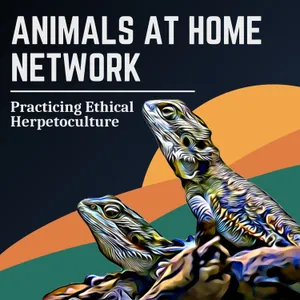
Free Daily Podcast Summary
Animals at Home Network: Daily Summaries Delivered
by AAHN
Exploring ethical captive management of reptiles & amphibians through the lens of biological science, conservation, and human nature. The network hosts: Animals at Home Podcast by Dillon Perron, Project Herpetoculture by Phillip Lietz and Roy Arthur Blodgett, Reptiles & Research Podcast by Liam Sinclair and Ellie Hills, and Animals Everywhere by Bryce Broom. Each show brings all members of the reptile community together to discuss reptile husbandry, scientific research, breeding, wildlife conservation, and more!
Latest Episodes
The most recent episodes — sign up to get AI-powered summaries of each one.
- 3 days ago1h 53m
262: The Secret to a Perfect Pet Reptile Habitat | John Courteney-Smith MRSB
In this episode, Dillon is joined by John Courteney-Smith MRSB to discuss his latest book, Biosynergy, which explores the interconnected nature of biology and environmental factors in reptile care. John explains how the concept of biosynergy emerged from past discussions about animal locomotion and stressors, highlighting his core belief that nature provides perfect solutions that we must replicate in captivity.The conversation traces the evolution of John's thinking across his five-book series—moving from metabolic bone disease (MBD) and nutrition to a comprehensive approach encompassing three parameters of nutrition and five layers of enrichment. We also dive into practical vivarium setup, soil composition (including the importance of natural mineral ratios versus organics), the role of infrared light beyond heating, and the necessity of diverse prey items. Additionally, John shares his personal health challenges, recovery, and how they reshaped his approach to work and writing, alongside the book's recent success as an Amazon bestseller and its acceptance into the Linnaean Great Library in London.SHOW NOTES: https://www.animalsathomenetwork.com/262-jcs/JOIN US ON PATREON: https://www.patreon.com/animalsathomeLINKS FROM THE EPISODE:https://www.arcadiareptile.com/https://www.instagram.com/arcadiareptile/https://www.youtube.com/user/arcadialighting/videoshttps://www.facebook.com/arcadiareptile/Photos and Video in Episode:Provided by Arcadia Reptile
- 1 weeks ago1h 6m
261: Chameleon Geckos (Eurydactylodes) Species Spotlight | Jon Ford
In this episode, Dillon is joined by Jon Ford to dive deep into the fascinating world of Eurydactylodes (chameleon geckos). Often called the most underrated genus in the entire reptile hobby, these small, slow-moving yet surprisingly active geckos offer incredible potential for both beginners and experienced keepers.Jon shares his journey from working in pet retail to exclusively keeping and breeding Eurydactylodes agricolae. We break down the major enclosure sizing myth (why a standard 12x12x18 is wildly inadequate for adults), how to set up natural branch networks with dense plant coverage, and the realities of cohabiting pairs during breeding season. Plus, we cover diet, lighting, UVB, and their unique defense mechanism involving metallic-smelling secretions.SHOW NOTES: https://www.animalsathomenetwork.com/261-jon-ford/SPONSORS: Visit Zoo Med Labs here: https://zoomed.com/JOIN US ON PATREON: https://www.patreon.com/animalsathomeLINKS FROM THE EPISODE:https://www.instagram.com/terraventusignus/Photos and Video in Episode:Provided by Jon
- 2 weeks ago1h 5m
260: Are Mudskippers Good Pets? The Truth about Mudskipper Care | Ezzies Aquatics
In this episode, Dillon is joined by Emma Cotrell from Ezzies Aquatics to dive deep into the fascinating, amphibious world of mudskippers. We explore her background in fish keeping, how she discovered these unique fish, and the realities of sourcing accurate care information in a niche hobby.Emma breaks down natural history, habitat adaptations, species variations, and the specialized requirements needed to keep mudskippers thriving. From formulating real mud substrates and maintaining tidal systems to brackish water parameters and cohabitation dynamics, we cover everything you need to know about setting up a successful mudskipper paludarium.SHOW NOTES: https://www.animalsathomenetwork.com/260-ezzies-aquatics/SPONSORS: Visit The BioDude: https://www.thebiodude.com/ Visit Zoo Med Labs here: https://zoomed.com/JOIN US ON PATREON: https://www.patreon.com/animalsathomeLINKS FROM THE EPISODE:https://www.instagram.com/ezzies_aquatics/https://www.tiktok.com/@ezzies_aquaticshttps://www.facebook.com/profile.php?id=61573073555003 @EzziesAquatics Photos and Video in Episode:https://www.facebook.com/profile.php?id=61573073555003
- 3 weeks ago1h 16m
259: How HBO's Monsters of God Stole a Journalist's Life Work | Jennie Erin Smith
The conversation centered on Jennie Erin Smith's book Stolen World and its exploration of the high-stakes reptile trade, illegal smuggling, and the complex personalities of key figures like Hank Molt and Tommy Crutchfield. Jennie shared insights into her extensive investigative research and discussed the psychological motivations driving exotic wildlife trafficking, from genuine passion to the quest for status. The discussion also covered her controversy with Eric Goode's HBO series Monsters of God, addressing allegations that her book was used as an uncredited template.SHOW NOTES: https://www.animalsathomenetwork.com/259-jennie-erin-smith/SPONSORS: Visit Zoo Med Labs here: https://zoomed.com/JOIN US ON PATREON: https://www.patreon.com/animalsathomeLINKS FROM THE EPISODE: Jennie's Contact: Jennieerinsmith@gmail.comStolen World: https://www.amazon.com/dp/0307381471/Valley of Forgetting: https://www.amazon.com/dp/0525536078/
- Aug 28, 20261h 54m
258: The Truth About Green Tree Python Genetics & Biosecurity | BMC Bioscience LLC
In this episode, Bruce from BMC Bioscience LLC breaks down the intersection of high-level Green Tree Python (Morelia viridis) breeding, laboratory-backed biosecurity, and reptile genetics.Bruce shares his journey from getting his first GTPs in 1997 to formally establishing BMC Bioscience in 2020 with a massive focus on disease screening, biosecurity protocols, and advancing keeper standards across the community. We dive deep into serpentovirus and cryptosporidium testing, the realities of polygenic versus simple recessive/dominant traits, the 2019 taxonomic shifts in GTPs, and Bruce’s ongoing research into how UV lighting impacts neonatal development.In This Episode, We Discuss:- The BMC Bioscience Story: Bruce’s keeping background (since 1991) and scaling a professional breeding program.- Biosecurity & Testing: Disease protocols, dedicated quarantine, and navigating serpentovirus/crypto screening.- GTP Taxonomy & Morphs: The split into two distinct species, working with subspecies-specific lines vs. designer chondros, and inheritance debates.- Genetics & Neonate Care: Polygenic traits, neonatal color changes, and the science behind captive bloodlines.- UV Lighting Research: Bruce’s findings on the role of artificial UV lighting in neonatal development.SHOW NOTES: https://www.animalsathomenetwork.com/258-bmc-bioscience/SPONSORS: Visit The BioDude: https://www.thebiodude.com/ Visit Zoo Med Labs here: https://zoomed.com/JOIN US ON PATREON: https://www.patreon.com/animalsathomeLINKS FROM THE EPISODE:https://www.bmcbioscience.com/https://www.facebook.com/bmcbioscience/https://www.instagram.com/bmc_bioscience_llc/Photos and Video in Episode:https://www.instagram.com/bmc_bioscience_llc/
- Aug 21, 20261h 2m
257: Are We Feeding Crested Geckos Wrong? | Blue River Diets
In this episode, Nathan from Blue River Diets breaks down the science, formulation, and field research behind modern crested gecko nutrition. We explore why the brand was created to combat common captive issues like obesity through low-fat, high-fruit formulas, and how functional ingredients like bee pollen, coconut, and postbiotics support gut health and immunity.Nathan also shares how expeditions to New Caledonia revealed critical insights on seasonal feeding—from insect dominance in the wet season to fruit abundance in the dry season—and how keepers can use natural branches, habitat micro-structures, and rotational feeding to drastically improve crested gecko welfare.In This Episode, We Discuss:- The Blue River Story: Origins, name connection to New Caledonia, and filling market gaps.- Nutritional Formulation: Why low fat, medium-chain triglycerides (coconut), and high fruit (60–70%) matter.- Functional Ingredients: The role of bee pollen, postbiotics, and soy protein isolate vs. insect protein.- New Caledonia Field Research: Wet vs. dry season diet shifts and replicating seasonality at home.- Husbandry & Enclosure Design: Utilizing thin branch networks, natural foraging, and bioactive setups.- Live Insects & Enrichment: Why live feeders remain essential alongside powdered diets.SHOW NOTES: https://www.animalsathomenetwork.com/257-blue-river-diets/SPONSORS: Visit The BioDude: https://www.thebiodude.com/ Visit Zoo Med Labs here: https://zoomed.com/#257 #animalsathomepodcastJOIN US ON PATREON: https://www.patreon.com/animalsathomeLINKS FROM THE EPISODE:https://blueriverdiets.com/https://us.blueriverdiets.com/https://www.facebook.com/blueriverdietshttps://www.instagram.com/blue_river_diets/https://www.youtube.com/@UCxRxcgCvStPaXd82hGfxo5A https://www.tiktok.com/@blueriverdietsPhotos and Video in Episode:Blue River Diets Facebook
- Jul 16, 20261h 19m
Project: Herpetoculture with Greg Watkins-Colwell
Greg Watkins-Colwell is Senior Collection Manager of Herpetology and Ichthyology at the Yale Peabody Museum, where his work spans natural history collections, systematics, biogeography, research, and public education. He also serves on the Board of Governors of the American Society of Ichthyologists and Herpetologists and the Science Advisory Board of Connecticut’s Beardsley Zoo.
- Jul 12, 20261h 6m
Project: Herpetoculture Phil and Andis
Phil and Andis chop it up.
Get Animals at Home Network summaries in your inbox
Free AI-powered daily recaps. Key takeaways, quotes, and mentions — in a 5-minute read.
Get Free Summaries →Free forever for up to 3 podcasts. No credit card required.
You Might Also Like
Listeners also like.
Reptile Talk
A podcast exploring the lives and experiences of reptile enthusiasts worldwide.
The Backyard Naturalists
Explores backyard ecosystems through native plants, birdwatching, wildlife attraction, and citizen science in the Greater Charlotte region.
The Zooquarium Podcast
A biologist and an artist answer listener questions about animals and ecosystems, blending science and creativity for all ages.
Nat Theo Nature Lessons Rooted in the Bible
Explores nature and science through a biblical lens, helping kids and families see how creation reflects God’s design.
Amazing Wildlife: A San Diego Zoo Podcast
Explores wildlife conservation through behind-the-scenes stories from the San Diego Zoo and global efforts to protect endangered species.
The Origins Foundation Podcast
Discusses wildlife conservation, hunting ethics, and controversial issues in sustainable use through candid interviews.
The Common Descent Podcast
Paleontologists discuss fossils, evolution, and Earth's history in a conversational format with news and listener-submitted questions.
Terrestrials
Nature stories that reveal surprising animal and plant behaviors through immersive, family-friendly audio adventures.
Just the Zoo of Us
Two hosts rate animal species on effectiveness, ingenuity, and aesthetics.
MeatEater Conservation
A podcast about outdoor news and conservation issues, featuring interviews with experts and hunters.

Wildlife Photography
Photographers discuss wildlife and nature photography techniques, experiences, and creative inspiration in casual conversation.
Cryptids Of The Corn
Two researchers explore cryptids, UFOs, and paranormal phenomena in corn-growing regions, blending science and conspiracy theories.
About Animals at Home Network
Exploring ethical captive management of reptiles & amphibians through the lens of biological science, conservation, and human nature. The network hosts: Animals at Home Podcast by Dillon Perron, Project Herpetoculture by Phillip Lietz and Roy Arthur Blodgett, Reptiles & Research Podcast by Liam Sinclair and Ellie Hills, and Animals Everywhere by Bryce Broom. Each show brings all members of the reptile community together to discuss reptile husbandry, scientific research, breeding, wildlife conservation, and more!
Customized Recaps
AI-powered recaps with compact key takeaways, quotes, and insights.
Straight to Your Inbox
Get key takeaways from Animals at Home Network in a 5-minute read.
Save Hours Every Week
Stay current on your favorite podcasts without falling behind.
Frequently Asked Questions
What is Podzilla's Animals at Home Network daily summary?
It's a free AI-powered email that summarizes new episodes of Animals at Home Network as soon as they're published. You get the key takeaways, notable quotes, and links & mentions — all in a quick read.
How does the Animals at Home Network podcast summary work?
When a new episode drops, our AI transcribes and analyzes it, then generates a personalized summary tailored to your interests and profession. It's delivered to your inbox every morning.
Is this an official Animals at Home Network product?
No. Podzilla is an independent service that summarizes publicly available podcast content. We're not affiliated with or endorsed by AAHN.
Can I get summaries of other podcasts too?
Absolutely! The free plan covers up to 3 podcasts. Upgrade to Pro for 15, or Premium for 50. Browse our full catalog at /podcasts.
How often does Animals at Home Network release new episodes?
Animals at Home Network publishes weekly. Our AI generates a summary within hours of each new episode.
What topics does Animals at Home Network cover?
Animals at Home Network covers topics including Science, Nature. Our AI identifies the specific themes in each episode and highlights what matters most to you.
Start getting Animals at Home Network summaries tomorrow morning.
Free forever for up to 3 podcasts. No credit card required.
Free forever for up to 3 podcasts. No credit card required.