
#13 - Primary Care Is Cracking: Why the Front Door of Healthcare Is Failing
Four Percent of Spending. One Hundred Percent of the Foundation Primary care is called the front door of the healthcare system. It's where prevention happens. It's where chronic disease is managed. It's where trust between patients and clinicians is built. And yet in the United States, that front door is cracking. Primary care accounts for just 4–5% of total healthcare spending in a system that spends nearly $4.5 trillion per year. Meanwhile, countries that invest double or triple that percentage achieve better outcomes, lower mortality, and lower costs. If primary care is the foundation of healthcare, why do we treat it like an afterthought? In this episode of Connected by Health, Dr. Krishna Vedala takes a deep dive into the primary care crisis; not just why it matters, but why it's structurally failing. You'll hear: Why more than 30% of U.S. adults lack a usual source of care Why over 7,900 federally designated primary care shortage areas exist Why primary care physicians earn significantly less than specialists — despite managing the most complex, longitudinal care Why burnout among primary care clinicians now exceeds 50% This isn't just about physician dissatisfaction. It's about access, equity, cost, and sustainability. When primary care weakens, patients wait weeks or months for appointments. They turn to emergency rooms as default care. Chronic conditions worsen. Costs rise downstream. As Krishna Vedala explains: "When primary care works, everything downstream works better." And when it doesn't? Everything downstream becomes more expensive and less humane. This episode doesn't stop at diagnosis, it outlines what real reform would actually require. You'll learn: Why the traditional fee-for-service model rewards volume, not prevention How value-based care models aim to stabilize revenue and prioritize outcomes Why administrative burden and fragmented payers create chaos for practices What real policy reform would look like — including primary care spending targets of 10–12%, Medicare payment stabilization, workforce investment, and long-term policy stability Krishna makes it clear: Primary care reform isn't a mystery. The evidence exists. The models exist. What's missing is alignment between policy and values. "If prevention really matters, we should fund it." Primary care isn't optional. It's infrastructure. And systems don't stand long when their foundations are ignored. If you are a policymaker, health system leader, clinician, or patient who believes healthcare should be more accessible, sustainable, and humane; this episode is for you. Share it with someone shaping policy. Send it to a healthcare leader. Start the conversation in your organization. Because without primary care reform: Costs will continue to rise Burnout will worsen Access will shrink Disparities will widen But if we rebuild the foundation? Communities become healthier. Care becomes more human. The system becomes sustainable. If this episode resonated with you, leave a review on Apple and share your biggest takeaway. Conversations like this are how reform begins. ──────────────────────────────────────── Where Health, Society, and Innovation Intersect Connected by Health is a forward-thinking podcast built on a simple but powerful truth: healthcare is not a cost to be cut — it is an investment that shapes the future of everything around us. Millions of people struggle with healthcare challenges each year — whether it's lack of insurance, unaffordable costs, limi
Podzilla Summary coming soon
Sign up to get notified when the full AI-powered summary is ready.
Free forever for up to 3 podcasts. No credit card required.
Listen to This Episode
More from Connected By Health
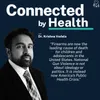
#16 - National Gun Violence: The American Public Health Crisis

Snapshots: Troy Green

#15 - Keeping Our Children Healthy: Vaccine Essentials and Guidance
Brosides with the Vedalas: MOSH - Male Obesity-Related Secondary Hypogonadism
Get summaries like this every morning.
Free AI-powered recaps of Connected By Health and your other favorite podcasts, delivered to your inbox.
Free forever for up to 3 podcasts. No credit card required.