Free Daily Podcast Summary
Evidence Based Birth: Daily Summaries Delivered
by Rebecca Dekker, PhD, RN
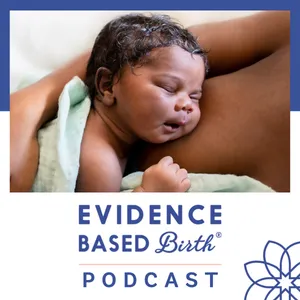
In the Evidence Based Birth® podcast, we cover the research evidence on hot topics about pregnancy and childbirth! Our mission is to help birth workers build the evidence based knowledge, skills, and power they need to protect families' ability to give birth with empowerment. The work we do has a huge impact on parents who are searching for accurate information to empower their prenatal, birth, and postpartum experiences!
Latest Episodes
The most recent episodes — sign up to get AI-powered summaries of each one.
- 2 days ago1h 0m
REPLAY: EBB 309 - Evidence on Doulas
What is a doula, and what does a doula actually do? What are the benefits and risks of having a doula, if any? And if the evidence shows that doulas improve health outcomes, why are some hospitals around the world still unsupportive of labor companions? In this replay episode, Dr. Rebecca Dekker and Dr. Sara Ailshire explore the research from our peer-reviewed Evidence Based Birth® Signature Article: The Evidence on Doulas. They examine randomized trials and Cochrane reviews showing how continuous labor support affects Cesarean rates, pain medication use, length of labor, and newborn Apgar scores. Dr. Dekker and Dr. Ailshire also discuss how a doula's support differs from that of a partner or labor nurse, how doulas are viewed in different parts of the world, and newer research on doula care for birthing people of color and LGBTQIA+ families. Plus, what to consider when choosing the right doula for you and your family. Download the free one-page handout, and view all the research references at ebbirth.com/doulas. EBB Podcasts: EBB 195 – Grief & Healing through Pregnancy and Infant Loss with Full Spectrum Doula, Rose Rankin <p class="Parag
- 4 days ago6 min
New Bundle of Joy on the Way!
Join the waitlist at ebbirth.com/waitlist to get early access and special perks. Want to see inside? Watch the video version on our YouTube channel!
- 6 days ago6 min
"Planning for Birth but not Postpartum is like Planning for a Wedding but not the Marriage!"
Join the waitlist at ebbirth.com/waitlist to get early access and special perks. Want to see inside? Watch the video version on our YouTube channel!
- 1 weeks ago5 min
New Arrival Coming Soon: The Official EBB Birth Planning Booklet!
Join the waitlist at ebbirth.com/waitlist to get early access and special perks. Want to see inside? Watch the video version on our YouTube channel!
- 1 weeks ago9 min
Hear ye, Hear ye… announcing the 2nd edition of: [Listen to find out!]
Join the waitlist at ebbirth.com/waitlist to get early access and special perks. Want to see inside? Watch the video version on our YouTube channel!
- 1 weeks ago48 min
EBB 418 - Evidence on Natural Labor Induction: Castor Oil and Eating Dates
Does castor oil or eating dates actually help labor begin? In this episode, Dr. Rebecca Dekker explores the research on these two approaches, including their potential effects on cervical ripening, the onset of labor, and the need for medical induction or augmentation. She examines randomized trials, systematic reviews, and recent hospital studies while explaining what the evidence can—and cannot—tell us about benefits and safety. Dr. Dekker also discusses why castor oil may work differently for people who have given birth before, the limitations of safety data after a prior Cesarean, and research on consuming dates during late pregnancy and labor. Plus, what to discuss with your care provider when considering whether these approaches fit your individual circumstances. Understanding the Bishop score and cervical ripening How castor oil might stimulate labor Reviewing the research on castor oil for labor induction Prior vaginal birth and findings from randomized trials Hospital use of castor oil in Germany and recent observational research Potential side effects and the importance of clinical guidance Safety questions after a prior Cesarean or uterine surgery A community midwife's experience and castor oil protocol Rebecca's personal experience and how castor oil is prepared The bottom line on castor oil evidence Date fruit's traditional uses and nutritional properties Limitations of date fruit research and considerations for people with diabetes Meta-analysis findings on cervical readiness and labor length Research quality concerns and a closer look at individual trials Research on date syrup and labor pain Trial findings on spontaneous labor and cervical dilation Amounts and timing of date consumption studied in pregnancy Final takeaways, evidence limitations, and discussing options with your care provider For a full list of references, visit ebbirth.com/418.
- 2 weeks ago54 min
EBB 417 - Similarities between Birth and Death Doula Work with Anne Kathryn Rice, Founder of the Global Doula Project
Birth and death are two of life's most profound transitions, and both deserve compassionate, person-centered care. In honor of National Caregivers Month, doula and founder of the Global Doula Project Anne Kathryn Rice joins Dr. Rebecca Dekker to explore the similarities between supporting families at the beginning and end of life. Drawing from their personal experiences with loss, they discuss the role of death doulas, how families can prepare for the dying process, and why emotional, physical, and informational support matters during life's biggest transitions. Anne Kathryn also shares how the Global Doula Project is working to make doula care more accessible to families around the world. Content Note: This episode includes discussions of death, dying, grief, and the loss of loved ones, including personal experiences with difficult and traumatic end-of-life care. Please take care while listening. Anne Kathryn's journey into doula work The spiritual and emotional similarities between birth and death What is a death doula? How death doulas provide practical, emotional, and informational support Addressing fears and preparing for the dying process The history of community support and the growing death doula profession End-of-life wishes, medical interventions, and planning ahead Creating a safe and supportive environment at the end of life The importance of cultural, religious, and spiritual traditions at death The similarities between grief and the transition into parenthood The mission of the Global Doula Project Resources Learn more about the Global Doula Project: https://www.globaldoulaproject.org/ Follow the Global Doula Project on Instagram:http://instagram.com/globaldoulaproject For more information about Evidence Based Birth and a crash course on evidence based care, visit www.ebbirth.com. Follow us on Instagram and YouTube! Ready to learn more? Grab an EBB Podcast Listening Guide or read Dr. Dekker's book, "Babies Are Not Pizzas: They're Born, Not Delivered!" If you want to get involved at EBB, join our Professional membership (scholarship options available) and get on the wait list for our EBB Instructor program. Find an EBB Instructor here, and click here to learn more about the EBB Childbirth Class.
- 3 weeks ago1h 11m
EBB 416 - Evidence on Big Babies
A suspected big baby isn't always a big baby, but the label alone can change a birth plan and how a birth is managed. In this episode, Dr. Rebecca Dekker and Dr. Sara Ailshire explore the updated evidence on suspected big babies, including how accurately ultrasounds can predict birth weight and how the label of a "big baby" can influence birth outcomes. They break down the risks of shoulder dystocia and other birth complications, examine new research on early induction, and discuss the potential benefits and risks of planned Cesareans for big babies. For the full Signature Article, free one-page handout, and a list of resources and references, visit evidencebasedbirth.com/bigbaby. What is a big baby, and how common are they? Factors associated with having a big baby How suspected big babies are identified and managed during pregnancy Risks and complications of shoulder dystocia Brachial plexus injuries and the importance of provider training How the suspicion of a big baby can influence birth outcomes How accurate are ultrasounds and other fetal weight estimates? New research on early induction for suspected big babies Cochrane Review findings on induction and birth outcomes Evidence on planned Cesareans for suspected big babies Key takeaways and evidence-based decision-making for big-baby pregnancies with and without GDM For more information about Evidence Based Birth and a crash course on evidence based care, visit www.ebbirth.com. Follow us on Instagram and YouTube! Ready to learn more? Grab an EBB Podcast Listening Guide or read Dr. Dekker's book, "Babies Are Not Pizzas: They're Born, Not Delivered!" If you want to get involved at EBB, join our Professional membership (scholarship options available) and get on the wait list for our EBB Instructor program. Find an EBB Instructor here, and click here to learn more about the EBB Childbirth Class.
Get Evidence Based Birth summaries in your inbox
Free AI-powered daily recaps. Key takeaways, quotes, and mentions — in a 5-minute read.
Get Free Summaries →Free forever for up to 3 podcasts. No credit card required.
You Might Also Like
Listeners also like.
Red Pill Your Healthcast
Two healthcare providers discuss overlooked health issues and empower listeners to make informed decisions for their families.
Awake at 3am | Motherhood & Sleep
Jess Zids and Sophia Masur

CBeebies Parenting
CBeebies

Previa Alliance Podcast
Discusses perinatal mental health through conversations with survivors and professionals.
The Internet Book of Critical Care Podcast
A podcast exploring critical care medicine through chapter discussions and evidence-based updates from The Internet Book of Critical Care.
Good Inside with Dr. Becky
A clinical psychologist provides practical guidance for handling common parenting challenges and improving parent-child relationships.
Unbiased Science
Dr. Jess Steier and guests analyze viral health claims using scientific evidence and explain key findings for everyday conversations.
Is It Normal? The Pregnancy Podcast With Jessie Ware
A weekly exploration of pregnancy and birth, featuring expert insights and real questions from expectant mothers.

Good Moms Bad Choices
Two mothers discuss the realities of modern parenting with honesty and humor, embracing both good and bad choices.

I Did My Own Research
An OB-GYN examines how viral health myths spread and how medical experts counter misinformation online.

M Is for Mama Podcast
Discussions on motherhood, biblical perspectives on cultural issues, and practical tips for managing home life with humor and faith.

Now That We're A Family
Two sisters draw on their upbringing in large families to help parents reclaim authority and reject mainstream relationship advice.
About Evidence Based Birth
In the Evidence Based Birth® podcast, we cover the research evidence on hot topics about pregnancy and childbirth! Our mission is to help birth workers build the evidence based knowledge, skills, and power they need to protect families' ability to give birth with empowerment. The work we do has a huge impact on parents who are searching for accurate information to empower their prenatal, birth, and postpartum experiences!
Customized Recaps
AI-powered recaps with compact key takeaways, quotes, and insights.
Straight to Your Inbox
Get key takeaways from Evidence Based Birth in a 5-minute read.
Save Hours Every Week
Stay current on your favorite podcasts without falling behind.
Frequently Asked Questions
What is Podzilla's Evidence Based Birth daily summary?
It's a free AI-powered email that summarizes new episodes of Evidence Based Birth as soon as they're published. You get the key takeaways, notable quotes, and links & mentions — all in a quick read.
How does the Evidence Based Birth podcast summary work?
When a new episode drops, our AI transcribes and analyzes it, then generates a personalized summary tailored to your interests and profession. It's delivered to your inbox every morning.
Is this an official Evidence Based Birth product?
No. Podzilla is an independent service that summarizes publicly available podcast content. We're not affiliated with or endorsed by Rebecca Dekker, PhD, RN.
Can I get summaries of other podcasts too?
Absolutely! The free plan covers up to 3 podcasts, any in the catalog. Basic raises that to 15, Pro to 40 and Max to 100. Browse our full catalog at /podcasts.
How often does Evidence Based Birth release new episodes?
Evidence Based Birth publishes weekly. Our AI generates a summary within hours of each new episode.
What topics does Evidence Based Birth cover?
Evidence Based Birth covers topics including Medicine, Fitness, Parenting, Health & Fitness, Kids & Family, Family. Our AI identifies the specific themes in each episode and highlights what matters most to you.
Start getting Evidence Based Birth summaries tomorrow morning.
Free forever for up to 3 podcasts. No credit card required.
Free forever for up to 3 podcasts. No credit card required.