Free Daily Podcast Summary
Fat Science: Daily Summaries Delivered
by Dr Emily Cooper
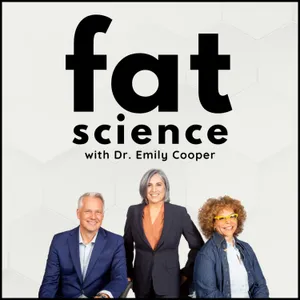
Fat Science is a podcast on a mission to explain where our fat really comes from and why it won’t go (and stay!) away. In each episode, we share little-known facts and personal experiences to dispel misconceptions, reduce stigma, and instill hope. Fat Science is committed to creating a world where people are empowered with accurate information about metabolism and recognize that fat isn’t a failure. This podcast is for informational purposes only and is not intended to replace professional medical advice.
Latest Episodes
The most recent episodes — sign up to get AI-powered summaries of each one.
- Yesterday47 min
Breaking Drug News: Combination GLP-1s, Treatment for Kids, and Lp(a)
What do new drug reports really mean for your treatment?Explore groundbreaking updates on potential diabetes and weight-loss drugs from Novo Nordisk and Eli Lilly. Dr. Emily Cooper dives into top-line results, explaining what these findings mean for those struggling with metabolic issues.KEY TAKEAWAYSUnderstanding the difference between efficacy estimand and treatment policy estimand.Cagrisema’s potential in aiding weight loss compared to Mounjaro in patients with type 2 diabetes.Semaglutide's effectiveness in children and its implications.NOTABLE QUOTE"Many of our patients with metabolic dysfunction have increased cardiometabolic risk." — Dr. Emily CooperLINKS & RESOURCESLearn more about Diabesity Foundations: learn.diabesityinstitute.orgPodcast Home: fatsciencepodcast.comCooper Center for Metabolism: coopermetabolic.comDiabesity Institute: diabesityinstitute.orgResources from Dr. Cooper: coopermetabolic.com/resourcesJoin Our Community: patreon.com/cw/FatSciencePodcastSubmit Your Question: questions@fatsciencepodcast.com or dr.c@fatsciencepodcast.comFat Science is supported by the Diabesity Institute, a nonprofit dedicated to increasing access to effective, science-based metabolic care.This podcast is for informational purposes only and is not intended as medical advice. Please consult with a qualified healthcare provider for personalized recommendations.
- 1 weeks ago1h 22m
The Fat Science Origin Story
Have you ever felt that diets don't work for you? Mark Wright, Andrea Taylor, and Dr. Emily Cooper dive deep into the science of metabolism, challenging the myths surrounding diets and weight gain. With personal stories and expert insights, they explore how metabolic function and genetics play vital roles in our health.KEY TAKEAWAYSDiets often don't address underlying metabolic issues.Metabolic syndrome involves multiple health systems and requires comprehensive care.GLP-1 medications have changed the treatment landscape for metabolic dysfunction. NOTABLE QUOTE"It's not your fault... you were dealt not the best hand genetically." — Dr. Emily CooperLinks & ResourcesPodcast Home: fatsciencepodcast.comCooper Center for Metabolism: coopermetabolic.comResources from Dr. Cooper: coopermetabolic.com/resourcesJoin Our Community: patreon.com/cw/FatSciencePodcastSubmit Your Question: questions@fatsciencepodcast.com or dr.c@fatsciencepodcast.comFat Science is supported by the Diabesity Institute, a nonprofit dedicated to increasing access to effective, science-based metabolic care.This podcast is for informational purposes only and is not intended as medical advice. Please consult with a qualified healthcare provider for personalized recommendations.
- 2 weeks ago53 min
Listener Spotlight: Alessio’s Metabolic Wake-Up Call
Can metabolic dysfunction be the cause of anxiety?Join Dr. Emily Cooper, Andrea Taylor, and guest Alessio De Martis as they explore the fascinating intersection of metabolic health, anxiety, and the struggle with traditional diet advice. Learn how under-fueling can exacerbate metabolic issues and what that means for your overall health. KEY TAKEAWAYSAlessio's experience highlights the struggle of self-managing metabolic health in Europe.Under-fueling can worsen metabolic dysfunction, disrupting body stability.The body's response to hypoglycemia can mirror symptoms of anxiety. NOTABLE QUOTE"If you have a history of hypoglycemia, you're gonna have a lot less tolerance than other people." — Dr. Emily Cooper GUEST BIOAlessio De Martis is a 41-year-old listener from Rome, Italy, who shares his experiences with metabolic dysfunction, hypoglycemia, and anxiety. His journey represents the challenges faced by many in understanding their metabolic health. Links & ResourcesPodcast Home: fatsciencepodcast.comCooper Center for Metabolism: coopermetabolic.comResources from Dr. Cooper: coopermetabolic.com/resourcesJoin Our Community: patreon.com/cw/FatSciencePodcastSubmit Your Question: questions@fatsciencepodcast.com or dr.c@fatsciencepodcast.comFat Science is supported by the Diabesity Institute, a nonprofit dedicated to increasing access to effective, science-based metabolic care.This podcast is for informational purposes only and is not intended as medical advice. Please consult with a qualified healthcare provider for personalized recommendations.
- 3 weeks ago51 min
Back to School Metabolism Tips for the Whole Family
What's the back-to-school metabolism shift all about? The return to a school routine can have surprising impacts on metabolic health. Dr. Emily Cooper explains how sleep, nutrition, and scheduling affect metabolism, and offers practical advice for parents managing these transitions. KEY TAKEAWAYSSleep quality is crucial for kids' and parents' metabolic health.Proper fueling before, during, and after exercise is essential for kids.Maintaining a consistent schedule can help manage stress and metabolism. NOTABLE QUOTE"Fueling the workout enhances our fitness basically, and reduces our stress hormones and strengthens our metabolism." — Dr. Emily Cooper LINKS & RESOURCESStudies on sleep and insulin resistancePodcast Home: fatsciencepodcast.comCooper Center for Metabolism: coopermetabolic.comDiabesity Institute: diabesityinstitute.orgResources from Dr. Cooper: coopermetabolic.com/resourcesJoin Our Community: patreon.com/cw/FatSciencePodcastSubmit Your Question: questions@fatsciencepodcast.com or dr.c@fatsciencepodcast.comFat Science is supported by the Diabesity Institute, a nonprofit dedicated to increasing access to effective, science-based metabolic care.This podcast is for informational purposes only and is not intended as medical advice. Please consult with a qualified healthcare provider for personalized recommendations.
- 4 weeks ago47 min
Mailbag: Navigating Menopause and Metabolic Health
Is menopause impacting your weight and health in unexpected ways? In this episode, the hosts tackle an assortment of listener questions about weight loss, metabolic health, and menopause. They delve into the intricacies of medication tolerance, the ethics of unregulated weight loss drugs, and the physiological changes that can affect women during menopause. KEY TAKEAWAYSUnderstanding metabolic and hormonal impacts during menopause is crucial.Unregulated weight loss drugs pose significant risks and ethical concerns.Medication tolerance and side effects can vary greatly among individuals. NOTABLE QUOTE"It's not your fault." — Dr. Emily Cooper Links & ResourcesPodcast Home: fatsciencepodcast.comCooper Center for Metabolism: coopermetabolic.comResources from Dr. Cooper: coopermetabolic.com/resourcesJoin Our Community: patreon.com/cw/FatSciencePodcastSubmit Your Question: questions@fatsciencepodcast.com or dr.c@fatsciencepodcast.comFat Science is supported by the Diabesity Institute, a nonprofit dedicated to increasing access to effective, science-based metabolic care.This podcast is for informational purposes only and is not intended as medical advice. Please consult with a qualified healthcare provider for personalized recommendations.
- Aug 31, 202643 min
Top Metabolism Killers Revealed
What are the top causes of metabolic disruption?In this informative episode, Dr. Emily Cooper dives into the factors that quietly sabotage metabolic health. From the intricacies of sleep to the surprising connection between love and metabolism, listeners will learn what enhances or damages their metabolic system.KEY TAKEAWAYSSleep is crucial for metabolic and hormonal balance.Weight cycling severely impacts metabolic health.Underlying stress and emotional wellbeing affect metabolism.NOTABLE QUOTE"Everyone has strengths and limitations, let's put it that way." — Dr. Emily CooperLINKS & RESOURCESMechanical Eating Handout: Available on our Patreon page.Links & ResourcesPodcast Home: fatsciencepodcast.comCooper Center for Metabolism: coopermetabolic.comResources from Dr. Cooper: coopermetabolic.com/resourcesJoin Our Community: patreon.com/cw/FatSciencePodcastSubmit Your Question: questions@fatsciencepodcast.com or dr.c@fatsciencepodcast.comFat Science is supported by the Diabesity Institute, a nonprofit dedicated to increasing access to effective, science-based metabolic care.This podcast is for informational purposes only and is not intended as medical advice. Please consult with a qualified healthcare provider for personalized recommendations.
- Aug 24, 202638 min
Mailbag: GLP-1 Injection Reactions
Do you ever wonder how medications like Wegovy and Mounjaro influence your metabolic health? Dr. Emily Cooper, along with Andrea Taylor and Mark Wright, dives into listener questions about maintaining metabolic health when medication coverage is lost, understanding the role of leptin after weight loss, and the effects of medications like Mounjaro. They also explore the injection site reactions and the complex interplay between thyroid, exercise, and inflammation.KEY TAKEAWAYSLoss of medication insurance coverage can significantly impact treatment, but alternative options like pills may be available.Leptin levels differ by gender; they're naturally lower in men due to different body composition.Fasting can disrupt hunger signals and glucose regulation, particularly following intermittent fasting.Injection site reactions are common but switching medications or techniques might alleviate symptoms.NOTABLE QUOTE"Obesity is a physical sign of underlying metabolic dysfunction." — Dr. Emily CooperLINKS & RESOURCESTo register for course: https://learn.diabesityinstitute.org/products/live_events/live-virtual-update-eventLinks & ResourcesPodcast Home: fatsciencepodcast.comCooper Center for Metabolism: coopermetabolic.comResources from Dr. Cooper: coopermetabolic.com/resourcesJoin Our Community: patreon.com/cw/FatSciencePodcastSubmit Your Question: questions@fatsciencepodcast.com or dr.c@fatsciencepodcast.comFat Science is supported by the Diabesity Institute, a nonprofit dedicated to increasing access to effective, science-based metabolic care.This podcast is for informational purposes only and is not intended as medical advice. Please consult with a qualified healthcare provider for personalized recommendations.
- Aug 17, 202638 min
How Wildfire Smoke Affects Metabolism
Is wildfire smoke affecting more than just your lungs?Poor air quality affects not only respiratory health but also metabolic functions. Wildfire smoke can trigger inflammation, oxidative stress, and hormone release, leading to metabolic disturbances.KEY TAKEAWAYSWildfire smoke can impact metabolism, leading to insulin resistance.Stress hormones released during smoke exposure can raise blood sugar levels.Air pollution is linked to increased risk of metabolic syndrome components. NOTABLE QUOTE"When there were wildfire events, within days, the admissions for diabetes increased." — Dr. Emily Cooper Links & ResourcesPodcast Home: fatsciencepodcast.comCooper Center for Metabolism: coopermetabolic.comResources from Dr. Cooper: coopermetabolic.com/resourcesJoin Our Community: patreon.com/cw/FatSciencePodcastSubmit Your Question: questions@fatsciencepodcast.com or dr.c@fatsciencepodcast.comFat Science is supported by the Diabesity Institute, a nonprofit dedicated to increasing access to effective, science-based metabolic care.This podcast is for informational purposes only and is not intended as medical advice. Please consult with a qualified healthcare provider for personalized recommendations.
Get Fat Science summaries in your inbox
Free AI-powered daily recaps. Key takeaways, quotes, and mentions — in a 5-minute read.
Get Free Summaries →Free forever for up to 3 podcasts. No credit card required.
You Might Also Like
Listeners also like.

Fit + Fueled Life Podcast
A functional nutrition practitioner explores sustainable fat loss, hormone balance, and metabolic health for women over 40.

The Holistic GLP-1 Podcast with Elizabeth McGann
Explores holistic approaches to GLP-1 for metabolic health, weight, and well-being through expert insights and natural strategies.

Weight Loss for Busy Physicians | Helping Women Physicians Lose Weight for the Last Time
Helps women physicians lose weight by addressing stress eating, exhaustion, and time constraints in their demanding careers.
The Real Weight Loss Coach
A nutritionist examines the root causes of weight gain and health issues through expert interviews and science-based discussions on metabolism, food, and mindset.

The Doctor's Kitchen Podcast
A doctor explores how food and lifestyle choices impact health and well-being, with expert guests offering practical advice.

Health vs Hype with the American Medical Association
A medical expert debunks viral health trends and misinformation with science-backed insights from physicians.
Low Carb MD Podcast
Doctors discuss low-carb approaches to weight loss, wellness, and disease reversal with medical guests and patient cases.

Live Like a Girl with Dr. Mindy Pelz
Dr. Mindy Pelz explores women's health through hormone science and wellness conversations to help women live in rhythm with their bodies.

Unbiased Science
Dr. Jess Steier and guests analyze viral health claims using scientific evidence and explain key findings for everyday conversations.

ZOE Science & Nutrition
Experts break down cutting-edge health and nutrition science to help you make better choices for your body and gut.

Science Vs
A show that investigates popular topics and myths by analyzing scientific evidence to determine what’s fact, fiction, or uncertain.
Red Pill Your Healthcast
Two healthcare providers discuss overlooked health issues and empower listeners to make informed decisions for their families.
About Fat Science
Fat Science is a podcast on a mission to explain where our fat really comes from and why it won’t go (and stay!) away. In each episode, we share little-known facts and personal experiences to dispel misconceptions, reduce stigma, and instill hope. Fat Science is committed to creating a world where people are empowered with accurate information about metabolism and recognize that fat isn’t a failure. This podcast is for informational purposes only and is not intended to replace professional medical advice.
Customized Recaps
AI-powered recaps with compact key takeaways, quotes, and insights.
Straight to Your Inbox
Get key takeaways from Fat Science in a 5-minute read.
Save Hours Every Week
Stay current on your favorite podcasts without falling behind.
Frequently Asked Questions
What is Podzilla's Fat Science daily summary?
It's a free AI-powered email that summarizes new episodes of Fat Science as soon as they're published. You get the key takeaways, notable quotes, and links & mentions — all in a quick read.
How does the Fat Science podcast summary work?
When a new episode drops, our AI transcribes and analyzes it, then generates a personalized summary tailored to your interests and profession. It's delivered to your inbox every morning.
Is this an official Fat Science product?
No. Podzilla is an independent service that summarizes publicly available podcast content. We're not affiliated with or endorsed by Dr Emily Cooper.
Can I get summaries of other podcasts too?
Absolutely! The free plan covers up to 3 podcasts. Upgrade to Pro for 15, or Premium for 50. Browse our full catalog at /podcasts.
How often does Fat Science release new episodes?
Fat Science publishes weekly. Our AI generates a summary within hours of each new episode.
What topics does Fat Science cover?
Fat Science covers topics including Medicine, Fitness, Health & Fitness. Our AI identifies the specific themes in each episode and highlights what matters most to you.
Start getting Fat Science summaries tomorrow morning.
Free forever for up to 3 podcasts. No credit card required.
Free forever for up to 3 podcasts. No credit card required.