Free Daily Podcast Summary
Off Leash with Dr. Pete: Daily Summaries Delivered
by Off Leash Podcast
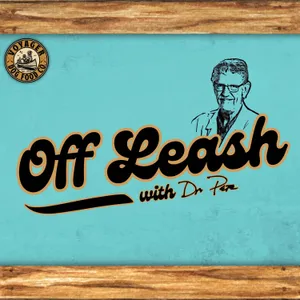
Dr. Pete Vanvranken gives us a deep dive into dog related health topics. From how to help your dog if they’ve eaten something they shouldn’t have to new and exciting treatments for your best friends, we cover many different dog related topics on the Off Leash Podcast. As a vet of 49 years, Dr. Pete has what he calls “the privilege and duty” to help animals lead their best lives. Ask him his favorite part of the job and he’ll tell you it’s two-fold - partnering with his clients to solve their pets’ health challenges and striving to provide those same pets with long, healthy lives. And that’s our goal with the Off Leash Podcast: to educate dog owners and to advocate for your pet.
Latest Episodes
The most recent episodes — sign up to get AI-powered summaries of each one.
- 4 days ago52 min
Q&A: Itchy Dogs, Vaccines & Gut Health
On this episode of Off Leash with Dr. Pete, Molly brings another round of listener questions to Dr. Pete, covering everything from dog treats and vaccines to skin problems, digestive issues, liver enzymes, and senior dog health. It’s a wide-ranging Q&A filled with practical advice for pet owners dealing with some of the most common and confusing health concerns. Dr. Pete starts by discussing treats for dogs with copper storage disease, including why owners need to look closely at ingredient labels and how even treats can contribute additional copper. He also answers a question about old dog vestibular syndrome, explaining why senior dogs can suddenly become dizzy, unsteady, or nauseous and why many improve significantly with time and supportive care. The conversation also covers elevated liver enzymes in Scottish Terriers, whether senior dogs still need vaccinations, and what antibody titers can and can’t tell pet owners about immunity. From there, Dr. Pete dives into dysbiosis and fecal transplants, severe dermatitis and possible scabies, environmental allergies, and why the location and timing of a dog’s itching can offer important clues about what’s causing the problem. They wrap up with a question about bilious vomiting syndrome and why some dogs vomit yellow bile early in the morning, along with practical ideas for managing medications and diet. Whether you’re caring for a senior dog, dealing with allergies, or simply trying to better understand your pet’s symptoms, this episode offers useful veterinary insight you can take into your next conversation with your veterinarian. Thanks so much for listening, and be sure to subscribe and review!
- 1 weeks ago23 min
Can Bird Flu Affect Your Pet?
On this episode of Off Leash with Dr. Pete, Molly and Dr. Pete take a closer look at a new concern surrounding raw pet food: avian influenza, or H5N1. As bird flu continues to affect poultry, dairy cattle, cats, and other mammals, they discuss why uncooked animal ingredients are getting more attention from veterinarians, pet food companies, and the FDA. Dr. Pete explains why cats appear to be more vulnerable to bird flu than dogs, how exposure can happen around farms and infected animals, and why cooking or pasteurization dramatically changes the risk. They also discuss the FDA’s response to H5N1 and why manufacturers using raw or unpasteurized poultry and cattle ingredients are being pushed to take a closer look at their food safety practices. The conversation expands into the broader risks and benefits of raw feeding, including bacteria like Salmonella and Listeria, ingredient sourcing, testing, and why transparency matters when choosing a pet food company. Rather than simply labeling raw diets as good or bad, Molly and Dr. Pete explain why pet owners should understand the added food-safety risks and ask better questions about how their dog or cat’s food is produced. Whether you currently feed raw, have considered making the switch, or simply want to understand how changing infectious diseases can affect pet nutrition, this episode offers practical information to help you make a more informed decision for your pet. Thanks so much for listening, and be sure to subscribe and review!
- 2 weeks ago17 min
What To Know Before You Move With Your Pet
On this episode of Off Leash with Dr. Pete, Molly and Dr. Pete talk about something many pet owners don’t think about until moving day: how changing homes can affect your dog or cat. A new house means unfamiliar smells, a different yard, new neighbors, and an entirely new environment for your pet to figure out. Dr. Pete explains why pets that were perfectly house-trained in one home may suddenly have accidents in another, especially if previous animals left behind scents in carpeting or flooring. They also discuss checking fences, electrical cords, unfamiliar hazards, and why limiting a dog’s access to the entire house at first can make the transition easier and safer. The conversation also covers some less obvious concerns, including moving a blind dog into an unfamiliar floor plan, new exposure to ticks and parasites when moving from the city to the country, and why your new neighborhood can completely change your pet’s daily risks. Molly and Dr. Pete even discuss what to look for when choosing a home with dogs in mind from flooring and fenced yards to pet-friendly neighbors. Whether you’re buying your first home, moving across town, or relocating with several pets, this episode offers practical advice to help make the transition safer and less stressful for everyone involved. Thanks so much for listening, and be sure to subscribe and review!
- 3 weeks ago27 min
The Hookworm Problem
On this episode of Off Leash with Dr. Pete, Molly and Dr. Pete dive into a growing concern in veterinary medicine: drug-resistant hookworms. Hookworms themselves aren't new, but some strains are becoming harder to treat with the dewormers veterinarians have relied on for decades. Dr. Pete explains where this resistance is showing up, why certain dogs may be more at risk, and what veterinarians are doing when the usual treatments stop working. From there, the conversation turns into a crash course on the different parasites dogs can pick up. Dr. Pete breaks down hookworms, roundworms, tapeworms, whipworms, and even some lesser-known stomach worms. Dr. Pete explains how dogs get them, what symptoms owners might notice, and why some parasites can be surprisingly difficult to diagnose. They also discuss how puppies can acquire worms from their mothers, why black or tarry stools can be a warning sign of hookworms, and how modern heartworm and parasite preventives have dramatically reduced the number of intestinal parasites veterinarians see today. Dr. Pete even explains why some routine fecal tests can miss certain worms and when additional testing may be necessary. Whether you have a new puppy, recently adopted a dog, or simply want to better understand parasite prevention, this episode offers practical information to help keep your dog healthy and explains why staying ahead of worms is much easier than dealing with them after they become a problem. Thanks so much for listening, and be sure to subscribe and review!
- Aug 26, 202624 min
Q&A: Copper Storage, Puppy Food & Grass
On this episode of Off Leash with Dr. Pete, Molly puts another round of listener questions in front of Dr. Pete, covering everything from copper storage disease and puppy nutrition to grass eating, fish oil supplements, flea prevention, and common misconceptions about pet health. Dr. Pete begins by answering several questions about copper accumulation in dogs, including whether a low-copper diet can help reduce copper stored in the liver, which treats to avoid, and why regular monitoring of liver enzymes is so important. The conversation then shifts to everyday questions many pet owners have, including why dogs suddenly start eating grass in the spring and when puppies can safely transition to adult dog food. Dr. Pete also shares his thoughts on modern flea and tick prevention, why some older products no longer work as well as they once did, and how to make informed decisions when choosing preventive care for your dog. Whether you're caring for a growing puppy, managing allergies, or simply looking for trusted answers to common dog health questions, this episode offers practical, science-based guidance to help you make informed decisions for your pet. Thanks so much for listening, and be sure to subscribe and review!
- Aug 19, 202635 min
The Truth About Pet Vaccines
On this episode of Off Leash with Dr. Pete, Molly and Dr. Pete tackle one of the most debated topics in veterinary medicine: Are we overvaccinating our dogs? With so much conflicting information online, it can be difficult for pet owners to know which vaccines are essential, which are based on lifestyle, and how often their pets really need them. Dr. Pete breaks down the science behind modern vaccination protocols and explains why there isn't a one-size-fits-all answer. The conversation explores the difference between core vaccines, like rabies, distemper, parvovirus, and leptospirosis, and non-core vaccines that depend on where your dog lives and how they spend their time. Whether your dog goes hunting, attends daycare, visits the groomer, travels frequently, or mostly stays at home, Dr. Pete explains how veterinarians evaluate disease risk and build vaccination plans around a dog's individual lifestyle rather than simply giving every vaccine every year. Whether you're welcoming a new puppy, wondering if your adult dog needs every vaccine, or simply trying to make informed decisions about your pet's preventive care, this episode offers practical, science-based guidance to help you work with your veterinarian to create the right vaccination plan for your dog. Thanks so much for listening, and be sure to subscribe and review!
- Aug 12, 202630 min
Q&A: Puppy Food, Allergies & Myths
On this episode of Off Leash with Dr. Pete, Molly brings your questions straight to Dr. Pete for another listener Q&A covering everything from puppy nutrition and food allergies to probiotics, pork-based diets, and some of the biggest myths circulating on social media. If you've ever wondered how to sort good pet advice from misinformation, this episode is for you. The conversation begins with choosing the right food for large breed puppies and why slower, steady growth is often healthier than trying to grow puppies as quickly as possible. Dr. Pete also answers questions about managing chicken and beef allergies, selecting appropriate treats, and whether supplements are necessary for dogs eating a complete and balanced diet. Dr. Pete explains the difference between digestive health and allergic skin disease, discusses when probiotics may have a role, and why understanding the underlying cause of itching is far more important than relying on a marketing claim. The episode also tackles a viral social media video claiming pork is unsafe for dogs, separating internet myths from current veterinary science and explaining why context matters when evaluating pet nutrition advice online. Whether you're raising a puppy, managing food allergies, or trying to make sense of the endless stream of pet advice online, this episode offers practical, science-based answers to some of the questions dog owners ask most often. Thanks so much for listening, and be sure to subscribe and review!
- Aug 5, 202628 min
Should You Breed Your Dog?
On this episode of Off Leash with Dr. Pete, Molly and Dr. Pete tackle a question many dog owners eventually ask themselves: Should you breed your dog? While the idea of raising a litter of puppies can sound exciting, responsible breeding involves far more than pairing two dogs together. From health testing and genetics to temperament and the financial realities of raising puppies, they explain why ethical breeding starts long before the first puppy is born. Along the way, Molly and Dr. Pete talk about the hidden costs of breeding, from emergency C-sections and veterinary care to the time, effort, and emotional investment required to properly raise a healthy litter. The conversation also explores the difference between ethical breeders and backyard breeders, common warning signs to look for when purchasing a puppy, and the questions every prospective dog owner should ask before supporting a breeder. Whether you're thinking about breeding your dog, looking for a reputable breeder, or simply want to better understand what responsible dog breeding really involves, this episode provides valuable insight into making decisions that benefit both dogs and the future of their breed. Thanks so much for listening, and be sure to subscribe and review!
Get Off Leash with Dr. Pete summaries in your inbox
Free AI-powered daily recaps. Key takeaways, quotes, and mentions — in a 5-minute read.
Get Free Summaries →Free forever for up to 3 podcasts. No credit card required.
You Might Also Like
Listeners also like.

Your Family Dog Podcast
Trainer Tina Spring offers practical advice for families solving everyday dog behavior challenges.
Paul Saladino MD podcast
A physician explores the root causes of chronic disease and optimal health through science and personal experimentation.
Straight from the Horse Doctor's Mouth
A veterinarian and host discuss horse healthcare and proper care for all horse owners.
Red Pill Your Healthcast
Two healthcare providers discuss overlooked health issues and empower listeners to make informed decisions for their families.

The Peter Attia Drive
Conversations with experts on health, longevity, performance, and critical thinking led by physician Peter Attia.
The Checkup with Doctor Mike
A doctor interviews public figures about their health and wellness to help listeners improve their physical and mental well-being.

Extend Podcast with Darshan Shah, MD
Explores science-backed strategies and expert insights to extend healthspan and optimize longevity through actionable health protocols.

The Dog Trainer's Quick and Dirty Tips for Teaching and Caring for Your Pet
Practical advice for training dogs of all ages, from puppies to adults, covering behavior, obedience, and everyday care.

Fully Alive: Unlocking the secrets to your healthier, happier, longer life
Explores science and lifestyle strategies to enhance health, purpose, and longevity.

Hunt-Find-Alert: K9 Search and Rescue Community
Examines K-9 search and rescue operations, working dogs, and their roles in emergency response and detection missions.
Cattitude - The #1 Cat Podcast
Each week, explore cat breeds, health tips, and new products for cat lovers.

StallSide Podcast
Veterinarians discuss current topics in equine healthcare, offering insights for horse owners and enthusiasts.
About Off Leash with Dr. Pete
Dr. Pete Vanvranken gives us a deep dive into dog related health topics. From how to help your dog if they’ve eaten something they shouldn’t have to new and exciting treatments for your best friends, we cover many different dog related topics on the Off Leash Podcast. As a vet of 49 years, Dr. Pete has what he calls “the privilege and duty” to help animals lead their best lives. Ask him his favorite part of the job and he’ll tell you it’s two-fold - partnering with his clients to solve their pets’ health challenges and striving to provide those same pets with long, healthy lives. And that’s our goal with the Off Leash Podcast: to educate dog owners and to advocate for your pet.
Customized Recaps
AI-powered recaps with compact key takeaways, quotes, and insights.
Straight to Your Inbox
Get key takeaways from Off Leash with Dr. Pete in a 5-minute read.
Save Hours Every Week
Stay current on your favorite podcasts without falling behind.
Frequently Asked Questions
What is Podzilla's Off Leash with Dr. Pete daily summary?
It's a free AI-powered email that summarizes new episodes of Off Leash with Dr. Pete as soon as they're published. You get the key takeaways, notable quotes, and links & mentions — all in a quick read.
How does the Off Leash with Dr. Pete podcast summary work?
When a new episode drops, our AI transcribes and analyzes it, then generates a personalized summary tailored to your interests and profession. It's delivered to your inbox every morning.
Is this an official Off Leash with Dr. Pete product?
No. Podzilla is an independent service that summarizes publicly available podcast content. We're not affiliated with or endorsed by Off Leash Podcast.
Can I get summaries of other podcasts too?
Absolutely! The free plan covers up to 3 podcasts. Upgrade to Pro for 15, or Premium for 50. Browse our full catalog at /podcasts.
How often does Off Leash with Dr. Pete release new episodes?
Off Leash with Dr. Pete publishes weekly. Our AI generates a summary within hours of each new episode.
What topics does Off Leash with Dr. Pete cover?
Off Leash with Dr. Pete covers topics including Education, Kids & Family, Animals, Family, Pets & Animals. Our AI identifies the specific themes in each episode and highlights what matters most to you.
Start getting Off Leash with Dr. Pete summaries tomorrow morning.
Free forever for up to 3 podcasts. No credit card required.
Free forever for up to 3 podcasts. No credit card required.