In this episode, host Rachel Feltman interviews neuroscientist Kauê M. Costa, who is among Scientific American’s inaugural cohort of Young American Scientists honorees. Costa shares how being surprised by experiments has led him to new ways of thinking about learning in the brain. He explains how dopamine does more than signal reward, how there are two big frameworks of how the brain learns and how his findings could help us better understand—and treat—mental illness. Recommended Reading: The Young American Scientists Kauê M. Costa’s Young American Scientists profile Join our Summer Reading Challenge E-mail us at sciencequickly@sciam.com if you have any questions, comments or ideas for stories we should cover! Discover something new everyday: subscribe to Scientific American and sign up for Today in Science, our daily newsletter. Science Quickly is produced by Rachel Feltman, Fonda Mwangi, Sushmita Pathak and Jeff DelViscio. This episode was edited by Alex Sugiura, with fact-checking by Aaron Shattuck. Our theme music was composed by Dominic Smith. This episode is part of “The Young American Scientists,” an editorially independent project that was produced with financial support from Regeneron. Learn more about your ad choices. Visit megaphone.fm/adchoices
Podzilla Summary coming soon
Sign up to get notified when the full AI-powered summary is ready.
Free forever for up to 3 podcasts. No credit card required.
Listen to This Episode
More from Science Quickly
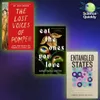
Summer Reading Challenge: Quantum queerness, Pompeii and plant horror
Your summer reading list starts here
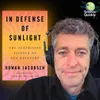
Are we too afraid of the sun?

Ebola update, World Cup heat risks, dad brains
Get summaries like this every morning.
Free AI-powered recaps of Science Quickly and your other favorite podcasts, delivered to your inbox.
Free forever for up to 3 podcasts. No credit card required.