Free Daily Podcast Summary
The Bitter Truth About Food Podcast: Daily Summaries Delivered
by Brad Young
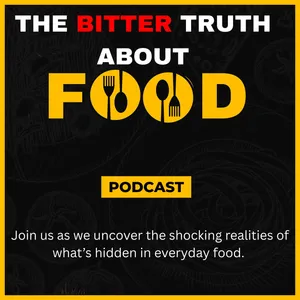
Welcome to The Bitter Truth About Food, a podcast hosted by Brad Young—multi-time bestselling author and relentless investigator of what’s really on our plates. This is where we expose the hidden realities behind everyday foods. From the addictive pull of sugar to the harmful, potentially cancer-causing chemicals buried in processed products, we dig into the truths the food industry would rather keep quiet. Each episode breaks down how these ingredients impact your health, why they’re so difficult to escape, and—most importantly—what you can do to reclaim control of your diet. If you’re ready to challenge the status quo and rethink what you eat, tune in to The Bitter Truth About Food for eye-opening revelations and practical steps toward a cleaner, more empowered way of living.
Latest Episodes
The most recent episodes — sign up to get AI-powered summaries of each one.
- 4 days ago25 min
The PFAS Cover-Up
PFAS chemicals were never supposed to end up in our bloodstreams, our drinking water, or our food — yet today, they’re everywhere. Non‑stick pans, food packaging, waterproof clothing, firefighting foam, cosmetics, even the soil that grows our crops. In this episode of The Bitter Truth About Food, we uncover how a handful of corporations created one of the most widespread chemical contaminations in history… and then spent decades hiding the truth. It starts in the 1940s, when chemical companies discovered compounds that resisted heat, oil, and water. They were industrial miracles — until internal research revealed something terrifying: PFAS don’t break down. Not in the environment. Not in the human body. Not ever. Instead of sounding the alarm, executives buried the data, silenced scientists, and launched marketing campaigns to keep profits flowing. We trace how PFAS spread through manufacturing, agriculture, and consumer goods, and how regulators failed to act even as evidence mounted. You’ll learn how these chemicals accumulate in organs, disrupt hormones, and increase long‑term health risks — and why independent researchers now call PFAS one of the most dangerous environmental threats of our time. We also break down the lawsuits, leaked documents, and whistleblower testimonies that finally exposed the scale of the deception, including the science behind bioaccumulation and why forever chemicals truly live up to their name. This episode reveals the truth corporations hoped would stay buried: PFAS contamination wasn’t an accident. It was a cover‑up — one that left an entire nation paying the price. Learn more about your ad choices. Visit megaphone.fm/adchoices
- 1 weeks ago27 min
The Toxic History of Modern Cooking Oils
Seed oils didn’t become heart‑healthy by accident — they became mainstream through industrial shortcuts, aggressive marketing, and decades of nutritional misdirection. In this episode of The Bitter Truth About Food, we trace the rise of modern cooking oils from factory byproducts to everyday pantry staples, revealing the chemical processes, corporate influence, and political pressure that shaped what America believes is healthy. It starts in the early 1900s, when companies discovered they could take leftover cottonseed waste and turn it into a cheap, shelf‑stable oil. That breakthrough opened the door for mass‑produced oils like soybean, corn, and canola — oils that required heavy refining, bleaching, deodorizing, and chemical extraction to be remotely edible. Over time, these industrial oils were pushed into homes, restaurants, and packaged foods through strategic advertising and partnerships with major health organizations. We break down how hydrogenation created trans_fats — one of the most dangerous ingredients ever approved for human consumption — and how the same refining processes still leave behind oxidation products and inflammatory compounds in today’s cleaner oils. You’ll learn how lobbyists shaped dietary guidelines, how food companies used seed oils to cut costs, and how the public was convinced to swap traditional fats for chemically altered ones. Learn more about your ad choices. Visit megaphone.fm/adchoices
- 2 weeks ago23 min
The Hidden Junk Inside Your Protein
Protein powders are marketed as clean, pure, muscle‑building fuel — but the truth hiding behind the labels is anything but clean. In this episode of The Bitter Truth About Food, we dig into the dark underbelly of the supplement industry and expose the additives, contaminants, and chemical shortcuts packed into products people trust with their health. What you think is helping your body might actually be harming it. We break down the hidden fillers that bulk up your protein without adding nutrition, the artificial sweeteners linked to gut disruption, and the heavy metals that independent labs keep finding in “healthy” powders. You’ll learn how misleading labels, weak regulations, and aggressive marketing allow companies to slip questionable ingredients into everyday supplements — and why so many brands rely on proprietary_blends to hide what’s really inside. From cheap manufacturing processes to flavor‑enhancing chemicals to contaminants introduced during production, this episode reveals how the industry prioritizes profit over purity. We’ll explore how protein powders became a billion‑dollar business built on consumer trust — and how that trust is being exploited. You’ll hear the science behind what these additives do to your body, why “natural” doesn’t always mean safe, and how to spot the red flags that most shoppers miss. This isn’t about fear — it’s about clarity. Because once you understand the hidden junk inside your protein, you can make smarter choices, protect your health, and demand better from the companies selling you clean nutrition. Learn more about your ad choices. Visit megaphone.fm/adchoices
- 2 weeks ago20 min
What Is Really on Your Vegetables
Your vegetables may look fresh, clean, and healthy — but what’s actually on them tells a very different story. In this episode, What Is Really on Your Vegetables, we uncover the hidden residues, contaminants, and microscopic hitchhikers that make their way from farm to plate. From pesticide films and soil‑borne bacteria to wax coatings and industrial pollutants, we break down what modern farming and food distribution leave behind — and how these substances impact your health. You’ll learn which vegetables carry the highest loads, how washing really works, and what simple steps can dramatically reduce your exposure. This episode gives listeners a clear, practical look at the unseen world clinging to their produce — empowering them to shop smarter, clean better, and rethink what fresh truly means. Learn more about your ad choices. Visit megaphone.fm/adchoices
- 3 weeks ago24 min
The Toxins and Disgusting Things Legally Allowed in Your Food
Most people assume the food on grocery store shelves is safe — but the truth is far more unsettling. In this episode, The Toxins and Disgusting Things Legally Allowed in Your Food, we expose the hidden additives, contaminants, and loopholes that allow questionable ingredients to make their way into everyday meals. From artificial dyes linked to behavioral issues, to preservatives banned in other countries, to “acceptable” levels of insect fragments, mold, and chemical residues, this episode breaks down how regulatory gaps and industry influence shape what ends up on your plate. We explore the science behind these substances, why they’re permitted, and how they impact long‑term health — often in ways consumers never hear about. Listeners will learn how to read labels with a critical eye, identify the most concerning additives, and make smarter choices without falling into fear‑based thinking. This episode isn’t about panic — it’s about empowerment. By understanding what’s legally allowed in your food, you gain the knowledge to protect your health, advocate for better standards, and rethink the trust we place in modern food systems. Learn more about your ad choices. Visit megaphone.fm/adchoices
- 4 weeks ago30 min
Where Your Food Really Comes From
Most people have no idea what really happens before their chicken, beef, or pork reaches the grocery store shelf — and that’s exactly why this episode of The Bitter Truth About Food exists. Today, we pull back the curtain on America’s meat supply chain and expose the hidden systems, shortcuts, and safety gaps that shape the food you feed your family. From industrial chicken houses to massive beef processing plants to the crowded conditions inside modern pork facilities, we break down how your food is raised, handled, transported, and inspected — and why so much of it is far less safe than you think. You’ll learn how consolidation in the meat industry has created enormous pressure to produce more at lower cost, often at the expense of sanitation, worker safety, and animal welfare. We’ll explore how weakened oversight, reduced inspections, and policy shifts have allowed contaminated products to slip through the cracks, contributing to the rise in foodborne_illness across the country. And we’ll follow the journey of your food from farm to factory to store, highlighting the critical points where contamination can occur — and why the current system isn’t doing enough to stop it. This episode isn’t about fear — it’s about awareness. Because once you understand where your food really comes from, you can make smarter choices, demand better standards, and protect your family from the dangers hidden behind the packaging. Learn more about your ad choices. Visit megaphone.fm/adchoices
- Sep 5, 202622 min
Nobody Is Checking: How the Collapse of Food Inspection Leaves Your Plate Unguarded
Let me start with a question, and I want you to be honest with yourself, because nobody hears your answer but you. When you pick up a piece of food, whether it is a bag of shrimp from halfway around the world or a package of chicken from down the road, you carry a quiet belief in the back of your mind. You believe that somewhere along the way, before it ever reached your hands, someone actually checked it. Someone walked into that factory. Someone inspected that farm. Someone made sure it was clean and safe before it was allowed to be sold to you and your children. Sit with that for a second. Because today I am going to tell you the bitter truth. Heading into 2027, that someone is disappearing. The inspections you have always assumed were happening are quietly not happening anymore. And the food on your plate, both the food that comes from overseas and the food grown right here at home, is passing through with almost nobody checking it at all. Learn more about your ad choices. Visit megaphone.fm/adchoices
- Aug 30, 202624 min
The Hidden Ingredient That Can Kill: How Mislabeled Food Puts Allergic Families in Danger
Let me start with a question, and I want you to be honest with yourself, because nobody hears your answer but you. When someone you love has a food allergy, or when you yourself have to avoid a certain food, how much do you trust the label to tell you the truth? Be honest. You turn the package over, you scan the ingredients, you look for the warning, and if it looks clear, you relax. You feed it to your child. You take a bite yourself. You trust that what is written on that package is actually what is inside it. Learn more about your ad choices. Visit megaphone.fm/adchoices
Get The Bitter Truth About Food Podcast summaries in your inbox
Free AI-powered daily recaps. Key takeaways, quotes, and mentions — in a 5-minute read.
Get Free Summaries →Free forever for up to 3 podcasts. No credit card required.
You Might Also Like
Listeners also like.
Paul Saladino MD podcast
A physician explores the root causes of chronic disease and optimal health through science and personal experimentation.
The Dr. Hyman Show
Explores root causes of chronic disease and promotes functional medicine, nutrition, and preventive health through expert discussions.
SuperLife with Darin Olien
Discusses health, nutrition, mental well-being, and sustainability by examining everyday habits that may harm people or the planet.

The Doctor's Kitchen Podcast
A doctor explores how food and lifestyle choices impact health and well-being, with expert guests offering practical advice.

Unbiased Science
Dr. Jess Steier and guests analyze viral health claims using scientific evidence and explain key findings for everyday conversations.

Get Better Faster
Doctors and researchers discuss functional medicine and root-cause approaches to chronic illness and health optimization.
Fell Into Food Podcast
Chef Jeff Fell examines how technology and innovation shape modern kitchens through interviews with industry professionals.
Gastropod
Explores the science and history behind food and farming, from ancient feasts to modern aquaculture and everything in between.

Just Ingredients
Explores whole, non-toxic ingredients for nutrition, wellness, and daily living with expert guests discussing health and natural product choices.

ZOE Science & Nutrition
Experts break down cutting-edge health and nutrition science to help you make better choices for your body and gut.

The Exam Room by the Physicians Committee
Experts reveal how plant-based diets and nutrition science can prevent disease and extend lifespan.
Maintenance Phase
Debunks the junk science behind health fads, wellness scams, and nonsensical nutrition advice.
About The Bitter Truth About Food Podcast
Welcome to The Bitter Truth About Food, a podcast hosted by Brad Young—multi-time bestselling author and relentless investigator of what’s really on our plates. This is where we expose the hidden realities behind everyday foods. From the addictive pull of sugar to the harmful, potentially cancer-causing chemicals buried in processed products, we dig into the truths the food industry would rather keep quiet. Each episode breaks down how these ingredients impact your health, why they’re so difficult to escape, and—most importantly—what you can do to reclaim control of your diet. If you’re ready to challenge the status quo and rethink what you eat, tune in to The Bitter Truth About Food for eye-opening revelations and practical steps toward a cleaner, more empowered way of living.
Customized Recaps
AI-powered recaps with compact key takeaways, quotes, and insights.
Straight to Your Inbox
Get key takeaways from The Bitter Truth About Food Podcast in a 5-minute read.
Save Hours Every Week
Stay current on your favorite podcasts without falling behind.
Frequently Asked Questions
What is Podzilla's The Bitter Truth About Food Podcast daily summary?
It's a free AI-powered email that summarizes new episodes of The Bitter Truth About Food Podcast as soon as they're published. You get the key takeaways, notable quotes, and links & mentions — all in a quick read.
How does the The Bitter Truth About Food Podcast podcast summary work?
When a new episode drops, our AI transcribes and analyzes it, then generates a personalized summary tailored to your interests and profession. It's delivered to your inbox every morning.
Is this an official The Bitter Truth About Food Podcast product?
No. Podzilla is an independent service that summarizes publicly available podcast content. We're not affiliated with or endorsed by Brad Young.
Can I get summaries of other podcasts too?
Absolutely! The free plan covers up to 3 podcasts. Upgrade to Pro for 15, or Premium for 50. Browse our full catalog at /podcasts.
How often does The Bitter Truth About Food Podcast release new episodes?
The Bitter Truth About Food Podcast publishes 2x weekly. Our AI generates a summary within hours of each new episode.
What topics does The Bitter Truth About Food Podcast cover?
The Bitter Truth About Food Podcast covers topics including Science, Nutrition, Fitness, Health & Fitness, Life Sciences. Our AI identifies the specific themes in each episode and highlights what matters most to you.
Start getting The Bitter Truth About Food Podcast summaries tomorrow morning.
Free forever for up to 3 podcasts. No credit card required.
Free forever for up to 3 podcasts. No credit card required.