Free Daily Podcast Summary
The Compost Pile | Gardening & Homesteading: Daily Summaries Delivered
by David Pool - Homestead & Organic Gardening Enthusiast
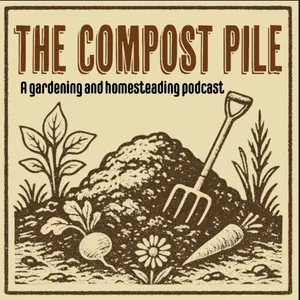
The Compost Pile | Gardening & Homesteading explores all things gardening, homesteading, and organic gardening. Your Hosts, David Pool & Aaron Barnhill, will dive into pollinators, practical fundamentals, tips for success, and more. David Pool has over 20 years in the green industry and helps people daily solving all types of gardening, landscape, lawn, and homestead issues. Aaron Barnhill is a seasoned cook and resident "newer" gardener, bringing up all the questions that David is used to and challenging him to learn even more with things he doesn't know.
Latest Episodes
The most recent episodes — sign up to get AI-powered summaries of each one.
- 5 days ago28 min
Before You Spray: How to Identify & Solve Garden Problems - Integrated Pest Management
When is it actually time to reach for a pesticide, herbicide, or fungicide in the garden?In this episode of The Compost Pile, David and Aaron take a closer look at Integrated Pest Management (IPM) and why treating a problem should rarely be your first step.We break down the process of identifying a problem, observing how serious it really is, looking for ways to change or manage the environment, and deciding when intervention is actually justified. We also discuss why two gardeners dealing with the exact same pest may reasonably make completely different decisions.Along the way, we talk about beneficial insects, leaf miners, herbicides in the lawn, pesticide resistance, pre-harvest intervals, environmental impacts, and why simply seeing damage on a plant doesn't necessarily mean something needs to be sprayed.The goal isn't to say that all chemicals are bad. It's to understand when they're necessary, how to use them responsibly, and when the best choice may be to do nothing at all.Whether you're growing vegetables, maintaining a lawn, caring for ornamentals, or just trying to keep a few backyard plants alive, learning to identify, observe, mitigate, and then act can help you make better decisions in the garden.The Compost Pile — breaking down gardening, homesteading, and more so you can be more successful in the garden.
- 1 weeks ago30 min
Battery vs. Gas Lawn Tools: Which Makes Sense for Your Home & Homestead?
Battery-powered lawn equipment has come a LONG way—but does that mean it’s time to give up your gas-powered tools?In this episode of The Compost Pile, David and Aaron take a practical look at battery vs. gas lawn equipment for homeowners, gardeners, and homesteaders. From string trimmers and leaf blowers to push mowers, hedge trimmers, chainsaws, and some surprisingly useful battery-powered tools, we discuss where electric equipment shines—and where gas power still makes a lot of sense.We dig into the advantages and drawbacks of both, including maintenance, runtime, power, noise, battery compatibility, accessibility, repairability, long-term ownership, and the rapidly changing technology behind outdoor power equipment.We also talk about one of the biggest considerations when buying battery tools: choosing a battery platform. Once you own several batteries and tools from one manufacturer, switching brands isn't always as simple as buying a different tool.And despite all the advances in battery equipment, there are still situations where we would absolutely want gas-powered equipment around—especially when storms, acreage, heavy cutting, or extended runtime enter the picture.In this episode: • Battery vs. gas lawn equipment • Pros and cons of battery-powered tools • Maintenance differences between gas and electric equipment • Battery platforms and compatibility • Noise and ease of use • Tool longevity and repairability • Battery-powered mowers, blowers, trimmers, pruners, and chainsaws • Where gas equipment still makes sense • Choosing tools based on your property and how you actually use themThere isn't necessarily one right answer. The goal is to choose equipment that fits your property, workload, budget, and willingness to maintain it.What are you using? Have you made the switch to battery-powered lawn equipment, are you sticking with gas, or are you using a combination of both? Tell us in the comments.The Compost Pile breaks down gardening, homesteading, lawn care, and outdoor living to help you become more successful around your home and garden.#BatteryTools #LawnCare #GasVsElectric #LawnEquipment #Homesteading #Gardening #OutdoorPowerEquipment #BatteryPowered #TheCompostPile
- 2 weeks ago26 min
Native, Non-Native or Invasive? Choosing the Right Plants for Your Landscape
Invasive plants are a hot topic—but what actually makes a plant invasive? And does being non-native automatically make a plant bad?In this episode of The Compost Pile, David and Aaron dig into the difference between native, non-native, aggressive, and truly invasive plants, especially from the perspective of gardeners and homeowners in Southeast Texas and the Gulf Coast.We talk about plants like Chinese tallow, Bradford pear, vitex, honeysuckle, torpedo grass, and more, along with some better alternatives for the landscape. We also explore a more complicated question: what happens when an invasive plant provides a benefit, such as Chinese tallow providing a major nectar source for honeybees?The goal isn't simply to label every non-native plant as “bad.” It's to understand how plants interact with the surrounding ecosystem, whether they spread beyond the landscape, what they compete with, and what benefits—or problems—they create.Before adding something new to your yard, know what you're planting, understand how it behaves in your area, and choose plants responsibly.In this episode:Native vs. non-native vs. invasive plantsWhat actually makes a plant invasiveChinese tallow trees in Southeast TexasBradford pears and storm damageVitex and the importance of cultivar selectionInvasive vines and grassesNative alternatives for common landscape plantsPollinators, wildlife, and ecological impactHow to make better plant choices for your own landscapeThe Compost Pile — breaking down gardening, homesteading, and more to help you become more successful in the garden.
- 3 weeks ago48 min
What a Storm Reveals About Your Garden: Post-Storm Plant Recovery Tips
A major storm doesn’t just damage your garden—it reveals it. After Tropical Storm Edouard brought strong winds and heavy rain to Southeast Texas, David walks through the garden to examine what severe weather can teach us about plant health, drainage, soil conditions, root strength, and overall garden resilience.In this solo episode of The Compost Pile, learn how to assess storm-damaged plants, safely support leaning vegetables and flowers, prune broken growth, manage saturated soil, and recognize signs of root rot, pest pressure, and fungal disease. We also discuss why you shouldn’t immediately fertilize stressed plants and how careful observation can prevent you from doing more harm than good.You’ll also discover how storms expose drainage problems, erosion patterns, inadequate plant supports, undersized containers, and plants growing in the wrong location. Whether you’re recovering from a tropical storm, hurricane, flooding event, or severe thunderstorm, these practical post-storm garden recovery tips can help you decide what to save, what to remove, and how to prepare for the next major weather event.Topics covered include:Assessing wind and rain damageSaving uprooted or leaning plantsPruning broken branches correctlySaturated soil and root rotPost-storm pests and plant diseasesDrainage, erosion, and displaced mulchWhen to fertilize after heavy rainPreparing gardens and containers for future stormsBuilding a more resilient Gulf Coast gardenThe most important lesson is simple: observe before you act. Give your garden time to reveal the full extent of the damage—and its ability to recover.#PostStormGarden #GardenRecovery #StormDamage #PlantCare #GardeningTips #SoutheastTexasGardening #GulfCoastGardening #TheCompostPile
- Sep 1, 202629 min
What Your Lawn Can Teach You About Your Soil
You don’t have to be obsessed with having the perfect lawn to learn something from it.In this episode of The Compost Pile, David and Aaron look beyond traditional lawn care and talk about what the grass, weeds, dry spots, and problem areas around your yard can teach you about what’s happening underneath the surface.Why does one area dry out faster than another? What can certain weeds tell you about compaction or moisture? Why can a lawn struggle even when it’s being fertilized and watered? And what does deep watering actually do for root development?We dig into soil health, drought stress, deep watering, compaction, drainage, aeration, organic matter, soil biology, weeds as indicators, and the problems that can come from treating symptoms instead of improving the conditions that caused them.Because whether you want a picture-perfect lawn, a mixed green groundcover, or simply something growing between your garden beds, your lawn can be one of the easiest places to observe how soil, water, roots, plants, and the environment all work together.In this episode: • What your lawn can reveal about soil health • Why deep watering encourages deeper roots • What weeds may be telling you about your soil • Compacted soil vs. loose, sandy soil • Why fertilizer isn’t always the answer • Aeration, minerals, carbon, and organic matter • Drought stress and moisture movement • Why healthier soil can mean fewer problems above ground • Using lawn observations to become a better gardenerThe goal isn’t necessarily a better lawn. It’s learning how to read what’s growing around you so you can better understand your soil—and apply those lessons throughout the garden and landscape.
- Aug 27, 202629 min
Fall Gardening in Zone 9: What to Plant, When to Plant, & How to Prepare
Fall gardening in Southeast Texas doesn’t start when the weather finally feels like fall. You have to start preparing while it’s still hot.In this episode of The Compost Pile, David and Aaron talk about making the transition from a stressed late-summer garden into a productive fall garden in Zone 9. We break down what you can start planting now, what should wait for cooler weather, and why following a planting calendar without paying attention to actual conditions can set your garden up for failure.We cover broccoli, cabbage, kale, Swiss chard, mustard greens, turnips, radishes, beets, squash, pumpkins, lettuce and more, including which crops can handle lingering summer heat and which ones are better saved for later.We also discuss:Starting fall crops from seed vs. direct sowingHow hot, dry soil affects seed germinationUsing shade to protect young fall transplantsWhy broccoli and other brassicas can struggle in our climateChoosing varieties based on days to maturityTaking advantage of a second warm-season cropWhen to plant root crops and leafy greensGrowing more of the crops you actually eat and preservePreparing depleted garden soil after a long, hot summerRebuilding soil biology, minerals and overall soil health before plantingThe biggest takeaway? Successful fall gardening in Zone 9 is about more than a date on the calendar. Watch the weather, understand your garden, choose the right crops, and prepare your soil before asking it to produce another season.If your summer garden is struggling in the August heat, now is the time to start planning what comes next.The Compost Pile — breaking down gardening, homesteading and more to help you become more successful in the garden.#FallGardening #Zone9aGardening #TexasGardening #SoutheastTexasGardening #FallVegetableGarden #GardenPlanning #VegetableGardening #SoilHealth #CoolSeasonCrops #Homesteading
- Aug 25, 20260 min
Fall Gardening in Zone 9: What to Plant, When to Plant & How to Prepare
Fall gardening in Southeast Texas doesn’t start when the weather finally feels like fall. You have to start preparing while it’s still hot.In this episode of The Compost Pile, David and Aaron talk about making the transition from a stressed late-summer garden into a productive fall garden in Zone 9. We break down what you can start planting now, what should wait for cooler weather, and why following a planting calendar without paying attention to actual conditions can set your garden up for failure.We cover broccoli, cabbage, kale, Swiss chard, mustard greens, turnips, radishes, beets, squash, pumpkins, lettuce and more, including which crops can handle lingering summer heat and which ones are better saved for later.We also discuss:Starting fall crops from seed vs. direct sowingHow hot, dry soil affects seed germinationUsing shade to protect young fall transplantsWhy broccoli and other brassicas can struggle in our climateChoosing varieties based on days to maturityTaking advantage of a second warm-season cropWhen to plant root crops and leafy greensGrowing more of the crops you actually eat and preservePreparing depleted garden soil after a long, hot summerRebuilding soil biology, minerals and overall soil health before plantingThe biggest takeaway? Successful fall gardening in Zone 9 is about more than a date on the calendar. Watch the weather, understand your garden, choose the right crops, and prepare your soil before asking it to produce another season.If your summer garden is struggling in the August heat, now is the time to start planning what comes next.The Compost Pile — breaking down gardening, homesteading and more to help you become more successful in the garden.#FallGardening #Zone9aGardening #TexasGardening #SoutheastTexasGardening #FallVegetableGarden #GardenPlanning #VegetableGardening #SoilHealth #CoolSeasonCrops #Homesteading
- Aug 18, 202617 min
What Is a Food Forest? How to Build an Edible Landscape in Your Backyard
What if your landscape could look good, support wildlife, improve your soil, and put food on the table?In this episode of The Compost Pile, David and Aaron break down the concept of a food forest and how you can use the principles behind one in an average home landscape.A food forest is designed to mimic the way plants grow together in nature by creating layers of trees, shrubs, herbs, vegetables, groundcovers, and other useful plants. Instead of filling a landscape with plants chosen only for appearance, you can intentionally incorporate fruit trees, berries, perennial herbs, vegetables, pollinator plants, living groundcovers, and more.We discuss:What a food forest actually isHow food forests differ from traditional gardens and landscapingCreating overstory, understory, and groundcover layersUsing fruit trees, blueberries, blackberries, herbs, vegetables, and root cropsHow living groundcovers can conserve moisture and protect soilWhy ornamental and native plants can still have an important roleSupporting pollinators, beneficial insects, soil fungi, and bacteriaDesigning plants around similar sunlight, water, and nutrient needsWhy you don't need acres of property to use food forest principlesHow to start small and build your system over timeWhether you have a large homestead, a suburban backyard, a small corner of your landscape, or even a container garden, food forest principles can help you create a more productive and resilient growing space.The goal isn't to create everything at once. Start with a few layers, observe how they interact, and gradually build a landscape that works more like a natural ecosystem—while still producing something you can harvest and use.Have you tried food forest or edible landscaping principles in your yard? Let us know what you're growing and what you'd like us to cover in a future Food Forest episode.The Compost Pile — breaking down gardening, homesteading, and more to help you become more successful in the garden.#FoodForest #EdibleLandscaping #Permaculture #BackyardGarden #FoodForestGarden #Homesteading #Gardening #EdibleGarden #SustainableGardening #FruitTrees #TheCompostPile
Get The Compost Pile | Gardening & Homesteading summaries in your inbox
Free AI-powered daily recaps. Key takeaways, quotes, and mentions — in a 5-minute read.
Get Free Summaries →Free forever for up to 3 podcasts. No credit card required.
You Might Also Like
Listeners also like.
Everyday Homesteading
Practical homesteading tips for busy families to grow, cook, and preserve food using proven methods from experienced homesteaders.
The joe gardener Show - Organic Gardening - Vegetable Gardening - Expert Garden Advice From Joe Lamp'l
Joe Lamp'l shares practical, organic gardening advice focused on growing food and sustainable practices for gardeners of all skill levels.
The Beginner's Garden with Jill McSheehy
A practical guide for new gardeners, breaking down gardening basics and terminology to help beginners grow confidently.
The Two Acre Homestead
A couple shares their experiences moving from suburban to rural homesteading, covering gardening, self-sufficiency, and country living.
Gardening with the RHS
Seasonal gardening advice from RHS experts, covering planting, design, pest control, and flower show insights for all skill levels.
The Backyard Naturalists
Explores backyard ecosystems through native plants, birdwatching, wildlife attraction, and citizen science in the Greater Charlotte region.
Pioneering Today Podcast - Homesteading in a Modern World
Homesteading skills like gardening, food preservation, livestock care, and natural remedies for a self-sufficient life in the modern world.

BBC Gardeners’ World Magazine Podcast
Expert gardening advice, seasonal tips, and global garden travels from BBC Gardeners’ World Magazine.
Black in the Garden
Explores the intersection of Black culture and gardening through conversations about plants, identity, and community.
The Acres U.S.A. Podcast
Explores organic and regenerative farming practices through interviews and insights aimed at building a sustainable, profitable food system.
Permaculture P.I.M.P.cast
Discusses permaculture practices and sustainable living through casual conversations between two hosts.
Gardeners' Question Time
Horticultural experts answer audience gardening questions in weekly live recordings from various locations.
About The Compost Pile | Gardening & Homesteading
The Compost Pile | Gardening & Homesteading explores all things gardening, homesteading, and organic gardening. Your Hosts, David Pool & Aaron Barnhill, will dive into pollinators, practical fundamentals, tips for success, and more. David Pool has over 20 years in the green industry and helps people daily solving all types of gardening, landscape, lawn, and homestead issues. Aaron Barnhill is a seasoned cook and resident "newer" gardener, bringing up all the questions that David is used to and challenging him to learn even more with things he doesn't know.
Customized Recaps
AI-powered recaps with compact key takeaways, quotes, and insights.
Straight to Your Inbox
Get key takeaways from The Compost Pile | Gardening & Homesteading in a 5-minute read.
Save Hours Every Week
Stay current on your favorite podcasts without falling behind.
Frequently Asked Questions
What is Podzilla's The Compost Pile | Gardening & Homesteading daily summary?
It's a free AI-powered email that summarizes new episodes of The Compost Pile | Gardening & Homesteading as soon as they're published. You get the key takeaways, notable quotes, and links & mentions — all in a quick read.
How does the The Compost Pile | Gardening & Homesteading podcast summary work?
When a new episode drops, our AI transcribes and analyzes it, then generates a personalized summary tailored to your interests and profession. It's delivered to your inbox every morning.
Is this an official The Compost Pile | Gardening & Homesteading product?
No. Podzilla is an independent service that summarizes publicly available podcast content. We're not affiliated with or endorsed by David Pool - Homestead & Organic Gardening Enthusiast.
Can I get summaries of other podcasts too?
Absolutely! The free plan covers up to 3 podcasts. Upgrade to Pro for 15, or Premium for 50. Browse our full catalog at /podcasts.
How often does The Compost Pile | Gardening & Homesteading release new episodes?
The Compost Pile | Gardening & Homesteading publishes weekly. Our AI generates a summary within hours of each new episode.
What topics does The Compost Pile | Gardening & Homesteading cover?
The Compost Pile | Gardening & Homesteading covers topics including Leisure, Education, Courses, Garden, Home & Garden. Our AI identifies the specific themes in each episode and highlights what matters most to you.
Start getting The Compost Pile | Gardening & Homesteading summaries tomorrow morning.
Free forever for up to 3 podcasts. No credit card required.
Free forever for up to 3 podcasts. No credit card required.