Free Daily Podcast Summary
The Effortless Swimming Podcast: Daily Summaries Delivered
by Brenton Ford
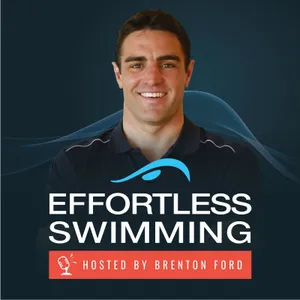
The Effortless Swimming podcast helps make a complex sport really simple to better your swimming. We cover open water swimming, triathlon swimming and pool swimming. Hosted by Australian National swimmer and coach Brenton Ford.
Latest Episodes
The most recent episodes — sign up to get AI-powered summaries of each one.
- 1 weeks ago7 min
#444 : How To Rebuild Your Swimming From Zero with Brenton Ford
Returning to swimming after years away can leave you feeling exhausted, sore, and disconnected from the water. In this episode, we break down three key things that can help you rebuild your swimming and feel stronger and more comfortable in the water. You'll learn how body position, breathing, stroke length, and a more relaxed kick can make swimming feel easier and more efficient. We'll also look at how to structure your training when you're getting back into the pool and why giving yourself three to six months of consistent swimming can make a huge difference. If you're returning to swimming after a long break, these simple technical and training adjustments can help you reconnect with the water and build your fitness without relying on brute strength. 00:00 How to Get Back Into Swimming 00:49 Fix Your Body Position 01:26 Breathe Without Getting Out of Breath 02:03 Build a Longer, More Efficient Stroke 02:46 Stop Kicking So Hard 03:42 How to Train When Returning to Swimming 05:02 What to Expect When You Start Again 05:51 Give Yourself 3–6 Months to Rebuild 06:34 Final Thoughts
- 3 weeks ago7 min
#443 : If You Want Your Swimming To 'Click', Do This with Brenton Ford
#443 : If You Want Your Swimming To 'Click', Do This with Brenton Ford
- Aug 28, 20267 min
#442 : Why Your Shoulder Hurts After Swimming with Brenton Ford
Shoulder pain after swimming? Your technique could be the reason. In this episode, we look at three common freestyle mistakes that can place unnecessary stress on the shoulder: an overly high elbow, crossing over the centre line, and overdoing the catch. Through clear demonstrations and underwater footage, you'll learn how to make your stroke more natural, efficient, and shoulder-friendly. A great episode for swimmers looking to improve their freestyle technique while reducing unnecessary strain. 00:00 – Why Your Shoulder Hurts After Swimming 00:20 – The main freestyle technique flaws that can cause shoulder problems 01:20 – Flaw #1: Elbow too high 02:25 – Shoulder position and rotation 03:00 – Flaw #2: Crossing over the centre line 03:20 – Underwater look at the freestyle stroke 04:00 – Flaw #3: Overdoing the catch 04:55 – What happens when you overdo the catch 05:30 – Finding a more natural catch position 07:00 – Underwater examples and final technique reminders
- Aug 19, 202649 min
#441 : Applying High-Speed Videography to Better Understand Swimming Stroke Mechanics with Jan Prins
In this episode, Brenton Ford interviews Jan Prins about freestyle biomechanics, stroke mechanics, and the latest technology used to analyze swimming efficiency. They explore how subtle changes in technique can significantly impact speed and performance. 00:10 Introduction to Jan Prins and his expertise in swimming biomechanics 01:31 Overview of the technology used for stroke analysis 04:40 Analyzing hip velocity and stroke subtlety 07:18 Why strength doesn't always equal speed in swimming 09:15 The importance of sustained velocity over peak power 12:26 Gradual acceleration and maintaining pressure in strokes 16:43 Finding new water and propulsive thrust 22:41 Engaging new water and hand positioning 26:36 The concept of finding new water through hand movement 28:23 Avoiding straight-line pulling and maximizing efficiency 34:39 Breathing techniques and timing in freestyle 42:25 Hip rotation and core stability in swimming
- Aug 13, 202625 min
#440 : Can Red Light Therapy Help Your Swimming? with Taryn Richardson
In this episode, sports dietitian and researcher Taryn Richardson dives into the science behind red light therapy, exploring its potential for recovery, performance, and overall health. She shares practical advice on device selection, optimal usage, and the science-supported benefits for athletes seeking faster recovery and better performance. 00:39 What is red light therapy and its scientific basis 01:25 Historical research and terminology: photobiomodulation 02:22 Claims and benefits of red light therapy 03:19 Applications in physiotherapy, veterinary, and sports 05:17 How red light interacts with the body and mitochondria 07:37 Mitochondria as batteries and the effect of light wavelengths 08:59 Impact on performance, recovery, and sleep 10:34 Best timing for red light therapy: post-exercise recovery 12:31 Using red light therapy for injury and tissue repair 13:37 Types of devices and market options 16:12 Choosing quality devices and verification 18:01 Optimal distance and wavelength considerations 18:47 Personal routine and practical tips 20:39 Additional light exposure strategies 21:40 Athletes adopting red light therapy 22:37 How to access Taryn's masterclass 23:31 Infrared vs red light therapy: differences 24:22 Expected benefits and user experiences
- Aug 5, 202633 min
#439 : Why You're (Likely) Under-Fuelling And Under-Performing with Eliza Kelly
Discover the nutrition secrets that could make or break your next long swim—are you fueling properly? Swimmers and endurance athletes often overlook crucial aspects of fueling, leading to fatigue, poor recovery, and even injury. In this eye-opening episode, registered sports dietitian Eliza Kelly shares behind-the-scenes insights from a 55-kilometer open water swim, revealing how altitude, heat, and unexpected challenges demand real-time nutritional adjustments. Her experience coaching elite swimmers and triathletes will change how you approach long training sessions and races, ensuring you stay energized and perform at your best. 00:11 Introduction to the episode and guest 01:12 Eliza's background and work with swimmers 04:23 Details of the 55 km swim in the Kimberley 05:38 Managing nutrition and hydration during hot swims 07:27 Electrolyte and sodium considerations 09:20 Adapting nutrition in real-time during a swim 12:13 Lessons learned from the Kimberley swim 14:39 Common nutrition mistakes athletes make 19:06 When and what to eat during long sessions 22:45 The importance of fueling and avoiding hunger 29:59 Iron deficiency in swimmers and endurance athletes 31:06 Testing and optimizing iron levels 32:26 How to connect with Eliza for nutrition support https://www.fluidperformancenutrition.com.au/ fluid_performancenutrition
- Jul 30, 202614 min
#438 : How To Swim Freestyle With (Almost) Zero Effort with Brenton Ford
Want to swim freestyle with less effort while moving faster through the water? In this episode, Brenton shares the three key principles that make freestyle feel smooth and effortless: improving your balance and body position, using rotation to maximize efficiency, and timing your stroke and kick so your whole body works together. Whether you're a beginner or an experienced swimmer looking to conserve energy, these simple technique adjustments can help you swim farther, faster, and with much less effort. 00:35 The #1 Secret: Let the Water Hold You Up 01:12 Head Position for Better Balance 02:48 Use Your Lungs to Improve Buoyancy 04:18 Step 2: Rotate for an Effortless Stroke 05:04 Relax Your Recovery 07:29 Step 3: Master Your Stroke Timing 11:42 Beginner vs Faster Freestyle Programs
- Jul 23, 202637 min
#437 : Understanding Arm Recovery and Connection In Freestyle with Tracey Baumann
Tracey Baumann is back! Learn how better arm recovery can improve your balance, protect your shoulders, and help you swim with less effort. She breaks down the most common mistakes that lead to shoulder pain, dropped hips, and extra drag, then shares simple drills to help you swim smoother and more efficiently. We'll also share details about the Melbourne swim clinic we're running together on October 25. Tune in now! 00:33 Meet Tracey Baumann 01:47 Why Recovery Matters 05:24 Common Recovery Mistakes 08:54 One Unit Recovery Cue 11:23 Elite Examples: Sam Short13:26 Fixing High Elbow Myths19:11 Wetsuit Shoulder Tips22:15 Connection Through the Core 34:01 Build Length From the Wall 34:43 Clinic Announcement Melbourne36:18 Where to Find Tracy
Get The Effortless Swimming Podcast summaries in your inbox
Free AI-powered daily recaps. Key takeaways, quotes, and mentions — in a 5-minute read.
Get Free Summaries →Free forever for up to 3 podcasts. No credit card required.
You Might Also Like
Listeners also like.
Tri Swim Coach Podcast
Swimming tips and training strategies for triathletes, from beginner to elite, with insights from coaches and pros.
The SwimSwam Podcast
Conversations with top swimmers and rising stars about the past, present, and future of competitive swimming.

Between The Laps with Coach Chris
A swim coach shares strategies and insights for developing young athletes, focusing on communication, training, and character building.

The Joy of Swimming
Conversations with open water and sea swimmers exploring the culture and thrill of cold water swimming.
Swimming Ideas Podast
Practical tips and interviews for swimming instructors and aquatic professionals to improve swim programs and teaching methods.

Social Kick • Swim Culture & Stories
Conversations with swimmers ranging from Olympians to recreational athletes, exploring swim culture and shared experiences.
UNTAPPED with Spencer Matthews
Spencer Matthews interviews runners, coaches, and scientists about training, performance, and the science of running.

The Third 50
Two experts explore swimming performance, mental resilience, and coaching strategies for competitive swimmers.
The Get Out Swim
A swim coach explores the world of competitive swimming, covering athlete stories, training evolution, and college recruitment.
The College Swimming Podcast by SwimSwam
Aislinn Walsh and Brendan Burns discuss college swimming news and interview top figures in the collegiate swimming world.
Life After Swim
Retired swimmers share experiences and advice on adjusting to life after competitive swimming, with open conversations about mental health.

Dissecting High Performance In Tennis
A deep dive into the coaching philosophies and methods that shape elite tennis players’ development and performance.
Customized Recaps
AI-powered recaps with compact key takeaways, quotes, and insights.
Straight to Your Inbox
Get key takeaways from The Effortless Swimming Podcast in a 5-minute read.
Save Hours Every Week
Stay current on your favorite podcasts without falling behind.
Frequently Asked Questions
What is Podzilla's The Effortless Swimming Podcast daily summary?
It's a free AI-powered email that summarizes new episodes of The Effortless Swimming Podcast as soon as they're published. You get the key takeaways, notable quotes, and links & mentions — all in a quick read.
How does the The Effortless Swimming Podcast podcast summary work?
When a new episode drops, our AI transcribes and analyzes it, then generates a personalized summary tailored to your interests and profession. It's delivered to your inbox every morning.
Is this an official The Effortless Swimming Podcast product?
No. Podzilla is an independent service that summarizes publicly available podcast content. We're not affiliated with or endorsed by Brenton Ford.
Can I get summaries of other podcasts too?
Absolutely! The free plan covers up to 3 podcasts. Upgrade to Pro for 15, or Premium for 50. Browse our full catalog at /podcasts.
How often does The Effortless Swimming Podcast release new episodes?
The Effortless Swimming Podcast publishes weekly. Our AI generates a summary within hours of each new episode.
What topics does The Effortless Swimming Podcast cover?
The Effortless Swimming Podcast covers topics including Sports, Swimming. Our AI identifies the specific themes in each episode and highlights what matters most to you.
Start getting The Effortless Swimming Podcast summaries tomorrow morning.
Free forever for up to 3 podcasts. No credit card required.
Free forever for up to 3 podcasts. No credit card required.