Free Daily Podcast Summary
The Way Out Is In: Daily Summaries Delivered
by Plum Village
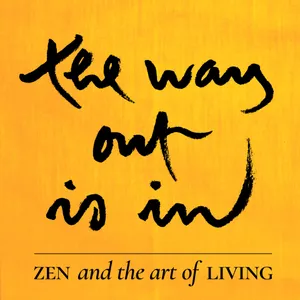
This podcast series is aimed at helping us to transcend our fear and anger so that we can be more engaged in the world in a way that develops love and compassion. Thich Nhat Hanh’s calligraphy ‘The Way Out Is In” highlights that the way out of any difficulty is to look deeply within, gain insights and then put them into practice. "The Way Out is In" is co-hosted by Brother Phap Huu, Thich Nhat Hanh's personal attendant for 17 years and the abbot of Plum Village's Upper Hamlet, and Jo Confino, who works at the intersection of personal transformation and systems change.
Latest Episodes
The most recent episodes — sign up to get AI-powered summaries of each one.
- 3 days ago1h 9m
Asking for Help (Episode #115)
If you wish to support our podcast, please follow this link. Thank you! Welcome to a new episode of The Way Out Is In: The Zen Art of Living, a podcast series mirroring Zen Master Thich Nhat Hanh’s deep teachings of Buddhist philosophy: a simple yet profound methodology for dealing with our suffering, and for creating more happiness and joy in our lives. In this episode, Zen Buddhist monk Brother Phap Huu and leadership coach Jo Confino discuss the difficulty of asking for help, exploring the cultural and personal barriers that can prevent people from seeking assistance. They emphasize the importance of recognizing indirect requests for help, and the need for compassion and presence when one is asked for help; the role of community and nature in providing support; and the necessity of self-forgiveness and self-care.The conversation underscores collective responsibility for addressing societal issues, and the power of shared vulnerability in fostering deeper connections. The hosts also share practical steps, from both teachings and their own lives. Co-produced by the Plum Village App:https://plumvillage.app/ And Global Optimism:https://globaloptimism.com/ With support from the Thich Nhat Hanh Foundation:https://thichnhathanhfoundation.org/ List of resources Sister Chan Khonghttps://plumvillage.org/about/sister-chan-khongBrother Phap Ling (Brother Spirit)https://plumvillage.org/people/dharma-teachers/brother-phap-linh Interbeinghttps://en.wikipedia.org/wiki/Interbeing The Plum Village Traditionhttps://en.wikipedia.org/wiki/Plum_Village_Tradition Wake Up Retreat 2026https://plumvillage.org/articles/wake-up-retreat-2026-am-i-good-enough The Four Mantras of Lovehttps://plumvillage.org/gems/event/The-Four-Mantras-of-Love-V2DFQvyDMgD3NEx7GTKfXz European Institute of Applied Buddhismhttps://www.eiab.eu/ Mahayanahttps://en.wikipedia.org/wiki/Mahayana The Way Out Is In: ‘The Three Jewels (Episode #89)’https://plumvillage.org/podcast/the-three-jewels-episode-89‘Beginning Anew’https://www.parallax.org/mindfulnessbell/article/beginning-anew/ The Way Out Is In: ‘True Love: Practicing in Relationships (Episode #31)’ https://plumvillage.org/podcast/true-love-practicing-in-relationship-episode-31 Quotes “Because we are alive, everything is possible.” “Unfortunately, as humans, we tend to only recognize that something is really happening when we experience it.” “The beauty of mindfulness and meditation is to welcome the vulnerability in ourselves.” “For someone to ask for help, they need someone to be compassionate.” <p class="wp-block-paragraph
- 2 weeks ago1h 28m
Paths of Change and Resistance (Episode #114)
If you wish to support our podcast, please follow this link. Thank you! Welcome to a new episode of The Way Out Is In: The Zen Art of Living, a podcast series mirroring Zen Master Thich Nhat Hanh’s deep teachings of Buddhist philosophy: a simple yet profound methodology for dealing with our suffering, and for creating more happiness and joy in our lives. In this episode, Zen Buddhist monk Brother Phap Huu and leadership coach Jo Confino are joined by Zen Buddhist nun Sister True Dedication to explore the significance and offerings of the Plum Village community – a sanctuary of peace, healing, and mindfulness, providing a stark contrast to the fast-paced, consumer-driven world outside. The three speakers further discuss the importance of a physical environment for spiritual practice, a space where individuals can reconnect with their true selves; the value of community living, where monastics share a collective career and work towards the flourishing of the community rather than individual success; the relevance of the five mindfulness trainings, which serve as ethical guidelines for personal and societal transformation; and much more. The conversation also touches upon the need for support to maintain and expand the Plum Village facilities, the importance of generosity, and the impact of supporting engaged monastic communities. Co-produced by the Plum Village App:https://plumvillage.app/ And Global Optimism:https://globaloptimism.com/ With support from the Thich Nhat Hanh Foundation:https://thichnhathanhfoundation.org/ List of resources Interbeinghttps://en.wikipedia.org/wiki/Interbeing Plum Village Traditionhttps://en.wikipedia.org/wiki/Plum_Village_Tradition Bodhisattva Vowhttps://en.wikipedia.org/wiki/Bodhisattva_vow The Five Mindfulness Trainingshttps://plumvillage.org/mindfulness/the-5-mindfulness-trainings The Fourteen Mindfulness Trainingshttps://plumvillage.org/mindfulness/the-14-mindfulness-trainings Es Devlinhttps://esdevlin.com/ Rebecca Solnithttps://www.rebeccasolnit.net/ The Way Out Is In: Stepping into Freedom – Live Recording with Q&A Session (Episode #67)https://plumvillage.org/podcast/stepping-into-freedom-live-recording-with-qa-session-episode-67 The Way Out Is In: ‘Cultivating Joy and Togetherness in the Midst of Hardship (Episode #95)’https://plumvillage.org/podcast/cultivating-joy-and-togetherness-in-the-midst-of-hardship-episode-95 Quotes “Plum Village emerged from our teacher’s vision for how the world could look and feel different from mainstream society. From the beginning, Plum Village has always been a community of resistance. We could even call it a community of resilience, a very physical environment th
- Sep 3, 20262h 10m
You Are Already the Person You Want to Become – Live Recording with Q&A Session (Episode #113)
If you wish to support our podcast, please follow this link. Thank you! Welcome to a new episode of The Way Out Is In: The Zen Art of Living, a podcast series mirroring Zen Master Thich Nhat Hanh’s deep teachings of Buddhist philosophy: a simple yet profound methodology for dealing with our suffering, and for creating more happiness and joy in our lives. This is our third live recording of the podcast made in London, England, in July, 2026, before a sold-out audience. In it, Zen Buddhist monk Brother Phap Huu and leadership coach Jo Confino are joined on stage by Zen Buddhist nun Sister True Dedication to explore the idea that the answers to life’s issues are often found within ourselves, rather than externally, and that we are already the person we want to become. The discussion includes reflections on the challenges of recognizing one’s own worth and the societal pressures that contribute to feelings of inadequacy; how mindfulness, presence, and community are essential in cultivating self-acceptance and personal transformation; the role of kindness in daily life; the power of the present moment in fostering personal and collective change; practicing self-compassion; and much more. The conversation concludes with questions from the audience answered by the three speakers. Co-produced by the Plum Village App:https://plumvillage.app/ Plum Village UK:https://plumvillage.uk/ And Global Optimism:https://globaloptimism.com/ With support from the Thich Nhat Hanh Foundation:https://thichnhathanhfoundation.org/ List of resources Sister True Dedicationhttps://plumvillage.org/people/dharma-teachers/sister-hien-nghiem Koanhttps://en.wikipedia.org/wiki/Koan Interbeinghttps://en.wikipedia.org/wiki/Interbeing Plum Village Traditionhttps://en.wikipedia.org/wiki/Plum_Village_Tradition Meredith Monkhttps://en.wikipedia.org/wiki/Meredith_Monk The Way Out Is In: ‘Stepping into Freedom – Live Recording with Q&A Session (Episode #67)’https://plumvillage.org/podcast/stepping-into-freedom-live-recording-with-qa-session-episode-67 The Way Out Is In: ‘Cultivating Joy and Togetherness in the Midst of Hardship (Episode #95)’https://plumvillage.org/podcast/cultivating-joy-and-togetherness-in-the-midst-of-hardship-episode-95 Quotes “Given everything that’s happening in the world, the person I’d like to become is this impossible person – a person who can find an answer to heal and stop all of the suffering, all of the injustice, all of the violence. We know that the pain and discomfort we feel in ourselves is not only a personal, individual discomfort; we’re feeling the pain of the world, and that’s reflected in our bodies and in our feelings. And so, when we can’t accept ourselves, or think we’re not enough, it’s also because we’re <
- Aug 13, 20262h 2m
Dharma and Business (Episode #112)
If you wish to support our podcast, please follow this link. Thank you! Welcome to a new episode of The Way Out Is In: The Zen Art of Living, a podcast series mirroring Zen Master Thich Nhat Hanh’s deep teachings of Buddhist philosophy: a simple yet profound methodology for dealing with our suffering, and for creating more happiness and joy in our lives. In this episode, Zen Buddhist monk Brother Phap Huu and leadership coach Jo Confino are joined by special guest Pham Minh Huong, businesswoman and spiritual practitioner, to discuss integrating Buddhist teachings into the business world. Pham Minh Huong shares her journey from being a successful but lonely CEO to one who prioritizes trust, mindfulness, and community in her companies – by adopting practices like servant leadership and consensus-building, and by creating a culture of compassion and collaboration. She emphasizes the importance of presence, authenticity, and the power of mindfulness in navigating crises and maintaining a balanced life, but reflects also on the challenges of integrating spirituality into a business world dominated by metrics and competativeness. Brother Phap Huu shares his own experience as the abbot of Upper Hamlet, while Jo reflects on writing about sustainable businesses for The Guardian and on his current work as leadership coach. The conversation highlights the potential for businesses to be a source of meaning, connection, and positive change when guided by spiritual principles. Ms Pham Minh Huong has nearly 30 years of experience in the finance and banking sector. Having previously served as Head of Treasury and Financial Markets at Citibank N.A., she was among the first members to contribute to its operational growth. She is a visionary leader and a pioneer in introducing new products to the market. Her significant contributions to the securities community and her personal professional reputation have established her as a highly respected leader in Vietnam’s financial market. Co-produced by the Plum Village App:https://plumvillage.app/ And Global Optimism:https://globaloptimism.com/ With support from the Thich Nhat Hanh Foundation:https://thichnhathanhfoundation.org/ List of resources Sister Chan Khonghttps://plumvillage.org/about/sister-chan-khong Brother Phap Unghttps://plumvillage.org/people/dharma-teachers/brother-chan-phap-ung Interbeinghttps://en.wikipedia.org/wiki/Interbeing Plum Village Traditionhttps://en.wikipedia.org/wiki/Plum_Village_Tradition The Way Out Is In: ‘The Three Jewels (Episode #89)’https://plumvillage.org/podcast/the-three-jewels-episode-89 Order of Interbeinghttps://plumvillage.org/community/order-of-interbeing ‘The Four Dharma Seals of Plum Village’https://plumvillage.org/articles/the-four-dharma-seals-of-plum-village The Way Out Is In: ‘Space, Time, and the Ultimate Dimension (Episode #54)’<a href="https://plumvillage.org/podcast/space-time-and-the-ultimate-dimension-episode-54
- Jul 30, 20261h 17m
A Quiet Beauty in Everything (Episode #111)
If you wish to support our podcast, please follow this link. Thank you! Welcome to a new episode of The Way Out Is In: The Zen Art of Living, a podcast series mirroring Zen Master Thich Nhat Hanh’s deep teachings of Buddhist philosophy: a simple yet profound methodology for dealing with our suffering, and for creating more happiness and joy in our lives. In this episode, Zen Buddhist monk Brother Phap Huu and leadership coach Jo Confino talk about finding beauty and reverence in the most ordinary of things. Jo shares his new book, Between Earth and Sky, which documents his time in Mitla, Mexico, and his journey of deep looking and finding beauty in the seemingly empty land. Brother Phap Huu emphasizes the importance of mindfulness, stopping, and being present to see the wonder in everyday life.The hosts further share the concept of consciousness in everything, and the need for reverence in our habits and interactions. The conversation also touches on reciprocity, the importance of community, and the journey of opening one’s heart through listening and acceptance. The episode concludes with a short meditation guided by Brother Phap Huu, to help listeners ground themselves in the present moment and to recognize the beauty in all life. Co-produced by the Plum Village App:https://plumvillage.app/ And Global Optimism:https://globaloptimism.com/ With support from the Thich Nhat Hanh Foundation:https://thichnhathanhfoundation.org/ List of resources Between Earth and Skyhttps://www.parallax.org/product/between-earth-and-sky/ Interbeinghttps://en.wikipedia.org/wiki/Interbeing Plum Village Traditionhttps://en.wikipedia.org/wiki/Plum_Village_Tradition Order of Interbeinghttps://plumvillage.org/community/order-of-interbeing The Way Out Is In: ‘Space, Time, and the Ultimate Dimension (Episode #54)’https://plumvillage.org/podcast/space-time-and-the-ultimate-dimension-episode-54 Mitlahttps://en.wikipedia.org/wiki/Mitla Stephen Mitchellhttps://en.wikipedia.org/wiki/Stephen_Mitchell_(translator) Tao Te Chinghttps://en.wikipedia.org/wiki/Tao_Te_Ching Samsarahttps://en.wikipedia.org/wiki/Sa%E1%B9%83s%C4%81ra Pema Chödrönhttps://en.wikipedia.org/wiki/Pema_Ch%C3%B6dr%C3%B6n Quotes “We can see beauty everywhere.” “When we feel alive and present on this Earth, what more do we need?” “The first act of meditation is learning to stop. It is learning to take a pause and feel the present moment. And feeling the present moment is more important than thinking about the present moment, because, when we attune ourselves into ou
- Jul 16, 20261h 29m
Hiking Zen (Episode #110)
If you wish to support our podcast, please follow this link. Thank you! Welcome to a new episode of The Way Out Is In: The Zen Art of Living, a podcast series mirroring Zen Master Thich Nhat Hanh’s deep teachings of Buddhist philosophy: a simple yet profound methodology for dealing with our suffering, and for creating more happiness and joy in our lives. In this episode, Zen Buddhist monk Brother Phap Huu and leadership coach Jo Confino are joined by Zen Buddhist monk Brother Phap Xa to explore the revolutionary aspect of walking meditation – not just a physical activity but a spiritual practice that can help us ground ourselves and connect with the present moment. Brother Phap Xa – who co-authored the book Hiking Zen with Brother Phap Luu – shares practical tips for walking meditation, and personal experiences such as the way this type of meditation has helped him deal with strong emotions and transformed his perspective on life. The conversation also touches on the concept of aimlessness in walking meditation, the importance of walking for the sake of walking, the benefits of walking in silence, the idea of walking with ancestors, the practice of walking for others, and more. The episode concludes with a short meditation guided by Brother Phap Huu, to help listeners connect with the present moment when walking. Co-produced by the Plum Village App:https://plumvillage.app/ And Global Optimism:https://globaloptimism.com/ With support from the Thich Nhat Hanh Foundation:https://thichnhathanhfoundation.org/ List of resources Brother Phap Xahttps://www.parallax.org/authors/brother-phap-xa/ Brother Phap Luuhttps://www.parallax.org/authors/brother-phap-luu/ Stephan Hardinghttps://en.wikipedia.org/wiki/Stephan_Harding Hiking Zenhttps://www.parallax.org/product/hiking-zen/ Interbeinghttps://en.wikipedia.org/wiki/Interbeing Plum Village Traditionhttps://en.wikipedia.org/wiki/Plum_Village_Tradition EIABhttps://www.eiab.eu/ ‘The Tortoise and the Hare’https://en.wikipedia.org/wiki/The_Tortoise_and_the_Hare Old Path White Cloudshttps://www.parallax.org/product/old-path-white-clouds/ The Way Out Is In: ‘The Three Doors of Liberation (Episode #18)’https://plumvillage.org/podcast/the-three-doors-of-liberation-episode-18 The Way Out Is In: ‘Guest Episode: Reconnecting with Gaia – A Deep Time Walk’https://plumvillage.org/podcast/guest-episode-reconnecting-with-gaia-a-deep-time-walk Quotes “Don’t take another step
- Jul 2, 20261h 58m
Father (Episode #109)
If you wish to support our podcast, please follow this link. Thank you! Welcome to a new episode of The Way Out Is In: The Zen Art of Living, a podcast series mirroring Zen Master Thich Nhat Hanh’s deep teachings of Buddhist philosophy: a simple yet profound methodology for dealing with our suffering, and for creating more happiness and joy in our lives. In this episode, Zen Buddhist monk Brother Phap Huu and leadership coach Jo Confino reflect on the passing of Brother Phap Huu’s father and the power of community in difficult moments, as well as considering insights into the teachings of no birth, no death. This emotional conversation touches tender places and explores the Brother’s personal journey of grief and loss, from first hearing the news of his father’s stroke, to the funeral and the subsequent processing. Brother Phap Huu further explores his complicated relationship with his father, the sacrifices made by his parents, and his regret at not being able to fully express his gratitude and love. Indeed, “It’s one thing to teach about ‘no birth, no death’, the passing of a loved one, but it’s a very different thing to experience it.”The episode ends with a short meditation guided by Brother Phap Huu. Co-produced by the Plum Village App:https://plumvillage.app/ And Global Optimism:https://globaloptimism.com/ With support from the Thich Nhat Hanh Foundation:https://thichnhathanhfoundation.org/ List of resources Bodh Gayahttps://en.wikipedia.org/wiki/Bodh_Gaya Bodhi treehttps://en.wikipedia.org/wiki/Bodhi_tree Christiana Figuereshttps://www.globaloptimism.com/christiana-figueres ‘The Fourteen Mindfulness Trainings’https://plumvillage.org/mindfulness/the-14-mindfulness-trainings Interbeinghttps://en.wikipedia.org/wiki/Interbeing Jeta Grovehttps://en.wikipedia.org/wiki/Jetavana Joan Halifaxhttps://www.joanhalifax.org/ ‘Listening to Namo Avalokiteshvara’https://plumvillage.app/listening-to-namo-avalokiteshvara/ Plum Village Traditionhttps://en.wikipedia.org/wiki/Plum_Village_Tradition Sister Chan Khonghttps://plumvillage.org/about/sister-chan-khong Upaya Zen Centerhttps://www.joanhalifax.org/upaya The Way Out Is In: ‘Slow Down, Rest, and Heal: The Spirit of the Rains Retreat (Episode #7)’https://plumvillage.org/podcast/slow-down-rest-and-heal-the-spirit-of-the-rains-retreat The Way Out Is In: ‘The Three Jewels (Episode #89)’https://plumvillage.org/podcast/the-three-jewels-episode-89 Quotes <p class="wp
- Jun 18, 20261h 27m
Renewing Buddhism – Live New Delhi Recording (Episode #108)
If you wish to support our podcast, please follow this link. Thank you! Welcome to a new episode of The Way Out Is In: The Zen Art of Living, a podcast series mirroring Zen Master Thich Nhat Hanh’s deep teachings of Buddhist philosophy: a simple yet profound methodology for dealing with our suffering, and for creating more happiness and joy in our lives. This episode was recorded live onstage in New Delhi, India, in February 2026, at the end of the pilgrimage In the Footsteps of the Buddha. Leadership coach Jo Confino was joined by Zen Buddhist nun Sister Tam Muoi and Dharma teacher Shantum Seth to discuss what it means to renew Buddhism, and Thich Nhat Hanh’s vision for doing so – including his emphasis on simplicity, equality, and making the teachings accessible and relevant to the contemporary world. They also reflect on their 14-day pilgrimage in India, and how it deepened their understanding of and connection to the Buddha’s teachings. This includes Sister Tam Muoi’s insights about the strong sangha formed among the diverse group of 60 pilgrims from 16 different countries. She also reflects on her personal connection to India and her healing journey of reconnecting with the Buddha’s teachings in their land of origin. Shantum Seth, who has been leading pilgrimages in India for over 30 years, explains the transformative power of these journeys in allowing people to connect with the Buddha as a human being and experience his teachings’ relevance to their own lives. He also shares plans for the Ahimsa Trust to establish a Plum Village center in India, to continue Thich Nhat Hanh’s legacy and bring the Dharma to a wider audience, especially a young one. Shantum Seth, an ordained Dharmacharya (Dharma teacher) in the Buddhist Mindfulness lineage of Zen Master Thich Nhat Hanh, teaches in India and across the world. A co-founder of Ahimsa Trust, he has been a student of Thich Nhat Hanh’s teachings for the past 35 years, and, since 1988, has led pilgrimages and other multi-faith, educational, cultural, spiritual, and transformative journeys across diverse regions of India and Asia. He is actively involved in educational, social, and ecological programmes, including work on cultivating mindfulness in society, including with educators, the Indian Central Reserve Police Force, and the corporate sector. Across various Indian sanghas, Dharmacharya Shantum is the primary teacher of different practices of mindfulness from Thich Nhat Hanh’s tradition. Sister Tam Muoi (Sister Samadhi) is from the UK and was ordained in 2012 and became a Dharma teacher in 2022. Having encountered the practice whilst living in France, she became engaged in the French lay sangha and was ordained into the Order of Interbeing in 2004. She is actively supporting the recently created Being Peace Practice Centre in the UK and is deeply committed to the work of healing ancestral harm, and to participation in trainings and retreats exploring White Awareness. Read more here. Co-produced by the Plum Village App:https://plumvillage.app/ And Global Optimism:https://globaloptimism.com/With support from the Thich Nhat Hanh Foundation:https://thichnhathanhfoundation.org/ Recordist: Ann Nguyenhttps://ann.earthSound editor: Joe Holtawayhttps://joeholtaway.comPublisher: Anca RusuProducer: Clay Carnillhttps://claycarnill.comExecutive Producer: Catalin Zorzini List of resources Interbeinghttps://e
Get The Way Out Is In summaries in your inbox
Free AI-powered daily recaps. Key takeaways, quotes, and mentions — in a 5-minute read.
Get Free Summaries →Free forever for up to 3 podcasts. No credit card required.
You Might Also Like
Listeners also like.
Thich Nhat Hanh Dharma Talks
Teachings and dharma talks by Zen Master Thich Nhat Hanh.
Meet the Monastics
Conversations with monks and nuns about their path to monastic life and ongoing spiritual inspiration.
The 12-Step Buddhist Podcast
Explores Buddhist principles and mindfulness practices integrated with 12-step recovery to heal trauma and addiction.

We!
Explores emotional healing, mental health, and spiritual growth through candid conversations about personal and relational struggles.

The One You Feed | Personal Growth, Emotional Resilience & Purpose
Conversations with thought leaders explore personal growth, emotional resilience, and living with purpose through small, consistent actions.
Practicing the Way with John Mark Comer
Explores how to live out the teachings of Jesus in modern life through practical conversations and spiritual guidance.
Let's Get Naked
Anne Karber discusses personal growth, relationships, and difficult life topics through candid conversations with guests.
Know Thyself
Examines self-awareness, consciousness, and personal growth through interviews with experts in spirituality, science, and creativity.

We're Out of Time
Discusses the fentanyl crisis, mental health, and resilience through interviews with recovery experts, survivors, and public figures.
Good Life Project
Deep conversations about building a meaningful life through midlife reinventions, grounded in science and human experience.

Letting Go & The Greatest Secret
Hale Dwoskin explores true freedom and lasting emotional well-being through conversations with spiritual teachers and thought leaders.
The 1000 Hours Outside Podcast
A podcast exploring how spending time outdoors helps children and adults thrive by choosing real-world experiences over screen-based ones.
About The Way Out Is In
This podcast series is aimed at helping us to transcend our fear and anger so that we can be more engaged in the world in a way that develops love and compassion. Thich Nhat Hanh’s calligraphy ‘The Way Out Is In” highlights that the way out of any difficulty is to look deeply within, gain insights and then put them into practice. "The Way Out is In" is co-hosted by Brother Phap Huu, Thich Nhat Hanh's personal attendant for 17 years and the abbot of Plum Village's Upper Hamlet, and Jo Confino, who works at the intersection of personal transformation and systems change.
Customized Recaps
AI-powered recaps with compact key takeaways, quotes, and insights.
Straight to Your Inbox
Get key takeaways from The Way Out Is In in a 5-minute read.
Save Hours Every Week
Stay current on your favorite podcasts without falling behind.
Frequently Asked Questions
What is Podzilla's The Way Out Is In daily summary?
It's a free AI-powered email that summarizes new episodes of The Way Out Is In as soon as they're published. You get the key takeaways, notable quotes, and links & mentions — all in a quick read.
How does the The Way Out Is In podcast summary work?
When a new episode drops, our AI transcribes and analyzes it, then generates a personalized summary tailored to your interests and profession. It's delivered to your inbox every morning.
Is this an official The Way Out Is In product?
No. Podzilla is an independent service that summarizes publicly available podcast content. We're not affiliated with or endorsed by Plum Village.
Can I get summaries of other podcasts too?
Absolutely! The free plan covers up to 3 podcasts. Upgrade to Pro for 15, or Premium for 50. Browse our full catalog at /podcasts.
How often does The Way Out Is In release new episodes?
The Way Out Is In publishes biweekly. Our AI generates a summary within hours of each new episode.
What topics does The Way Out Is In cover?
The Way Out Is In covers topics including Education, Fitness, Religion & Spirituality, Spirituality, Buddhism, Health & Fitness, Mental Health. Our AI identifies the specific themes in each episode and highlights what matters most to you.
Start getting The Way Out Is In summaries tomorrow morning.
Free forever for up to 3 podcasts. No credit card required.
Free forever for up to 3 podcasts. No credit card required.