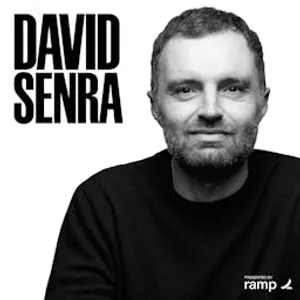
Free Daily Podcast Summary
David Senra: Daily Summaries Delivered
by Scicomm Media
Conversations with the greatest living founders.
Latest Episodes
The most recent episodes — sign up to get AI-powered summaries of each one.
- Today1h 8m
How Mark Zuckerberg, Palmer Luckey, Josh Kushner & Scott Wu Think | Jeremy Stern
Jeremy Stern is the editor-in-chief of Colossus, where he writes long-form profiles of leading entrepreneurs and investors. He goes behind the scenes of his reporting on Mark Zuckerberg, explaining how months of interviews revealed Zuckerberg’s fascination with Augustus, relentless competitive drive and commitment to building Meta for decades. Jeremy discusses why Meta’s distribution and infrastructure could give it an advantage in AI and why some founders seem incapable of walking away. He explains how a question about defense technology became his first profile, on Palmer Luckey, and why he brings the craft of fiction and poetry to writing about business. Jeremy also describes Scott Wu’s combination of mathematical genius, natural leadership and authenticity, and how Josh Kushner’s family history shaped his exploration of Thrive Capital and the American dream. The conversation closes with the story of Jeremy’s Russian professor, whose belief that people have an obligation to their gifts changed his life and helped shape how he sees the people he writes about. Show notes: https://www.davidsenra.com/episode/jeremy-stern Made possible by Ramp: https://ramp.com Deel: https://deel.com/senra AppLovin: https://applovin.com/senra Learn more about your ad choices. Visit megaphone.fm/adchoices
- 4 days ago1h 2m
Bringing AI to the Real Economy | Alexander Taubman
Alexander Taubman is the co-founder and CEO of Long Lake, a company that buys established service businesses and uses AI to improve how they operate. He explains Long Lake’s $6.3 billion deal for American Express Global Business Travel, why deploying AI in the real economy is difficult and why he sees productivity gains creating more jobs as businesses grow. Alex describes how Nexus, Long Lake’s AI platform, connects models to business data and workflows, why its engineers work alongside employees in the field and why he wants to own businesses rather than sell software. He shares how his grandfather’s idea of “threshold resistance” applies to AI adoption, what he learned at Goldman Sachs and Oaktree and how investing in founder-owned businesses through Taubman Capital prepared him to build Long Lake. Alex also discusses the influence of Danaher, Henry Singleton and John Malone, why he values partners who make him more ambitious and why Long Lake plans to hold its businesses for decades. Including Amex GBT, he expects more than $4 billion in combined revenue the following year and explains why he believes long-term compounding could eventually build a trillion-dollar company. Show notes: https://www.davidsenra.com/episode/alexander-taubman Made possible by Ramp: https://ramp.com AppLovin: https://applovin.com/senra Deel: https://deel.com/senra Chapters The $6.3 billion Amex GBT deal Bringing AI to the real economy Why greater productivity can mean more jobs A prepared mind and a tight acquisition filter Nexus and the AI platform behind Long Lake Put the engineers where the work happens Why own the businesses instead of selling software? Build tools people want to use A high bar for talent, acquisitions and technology What his grandfather taught him about removing friction Learning capital allocation at Goldman Sachs and Oaktree Buying founder-owned businesses with permanent capital How the Long Lake team came together The best partners make you more ambitious More than $4 billion in projected revenue Why going public could expand Long Lake’s ambition Henry Singleton and staying flexible John Malone and the businesses that will endure Why Long Lake doesn’t plan to sell Could Long Lake become a trillion-dollar company? Learn more about your ad choices. Visit megaphone.fm/adchoices
- 1 weeks ago1h 30m
Building the Streetwear Empire Kith | Ronnie Fieg
Ronnie Fieg is the founder, CEO and creative director of Kith. At 13, he turned down an envelope of cash at his bar mitzvah to ask his cousin for a job, then spent 15 years working his way up from stock boy to buyer at David Z. He explains how growing up in Queens and working on 8th Street shaped his taste, how his first ASICS Gel-Lyte III collaboration landed on the front of The Wall Street Journal’s Pursuits section and why he still designs every product for himself first. Ronnie describes why Kith refuses to wholesale or license, why he opens new physical stores as online sales grow and why he believes luxury should mean how much people love what they buy. He also details how a failed white chocolate bread idea became Kith Treats, how he prices product so customers get more than they pay for and what he felt seeing all 1,800 of his shoe designs laid out in chronological order. Ronnie shares how an obsession with padel led to Kith Ivy, why he is expanding into hospitality with Ronnie’s and why growing up before the internet forced him to develop his own point of view. Show notes: https://davidsenra.com/episode/ronnie-fieg Made possible by Ramp: https://ramp.com AppLovin: https://applovin.com/senra Deel: https://deel.com/senra Chapters You can’t work backwards from money “Keep the envelope. I want a job.” Why the CEO is also the fit model The childhood shoe that launched his career The Wall Street Journal, a line down the block and a visit from Adidas Get rid of the crap What luxury should actually mean Why Kith doesn’t wholesale or license Building the opposite of an arrogant sneaker shop The Italian crook who registered Kith’s trademark How a $20 deli experiment became Kith Treats Serve your customers, don’t chase new ones Always give people more than they pay for Seeing 15 years of work laid out on the floor Growing up before the algorithm How a padel obsession created Kith Ivy Learn more about your ad choices. Visit megaphone.fm/adchoices
- 2 weeks ago1h 20m
Building One of the Fastest Growing CPG Company in History | Peter Rahal of David Protein, Medici Brands & RXBAR
Peter Rahal is the co-founder of RXBAR, David Protein, and Medici Brands. After selling RXBAR for $600 million, he tried investing and quickly discovered he was miserable watching other people run companies. He explains why he returned to protein bars, why founders must deeply understand their products and how he plans to build the most important food company of the 21st century. Peter describes the intelligence, beauty and discipline behind David's brand, how growing up with dyslexia shaped his competitive drive and why he channels anger and resentment into company building. He also details his approach to hiring former founders, building a culture of truth seeking and humility and treating the organization itself as a product. Peter walks through the acquisition of his critical ingredient supplier, Epogee, the supply agreements that protected his business and what he would change about communicating the decision to other entrepreneurs. He shares why he chose Greenoaks as an investor, why speed matters more than maximizing a fundraising valuation and how he is building a decentralized organization where leaders master their products, confront problems and earn their autonomy. Made possible by Ramp: https://ramp.com AppLovin: https://applovin.com/senra Deel: https://deel.com/senra Chapters Life after selling RXBAR for $600 million Going all in and burning the boats Building the most important food company of the 21st century How a brand is like a human being Why Peter always chooses the hard path From zero to $300 million in two years Why Peter started selling frozen cod The organization is the product Why he recruits former founders Buying his supplier and victimizing his competitors How Neil Mehta and Greenoaks earned a spot on the cap table How Peter fundraises Running a business is like a river Why the company is named Medici Bureaucracy is not inevitable Why Peter has 25 direct reports Peter's principle of reactionary leadership support On divine discontent and loving the fight Learn more about your ad choices. Visit megaphone.fm/adchoices
- 3 weeks ago2h 1m
Luca Ferrari on Building Bending Spoons: Extreme Ownership, Talent Science & Relentless Simplification
Luca Ferrari is a co-founder of Bending Spoons, the technology company he built with his partners by rethinking how software businesses should hire, operate and allocate capital. He explains why Bending Spoons aspires to build “the best company there ever was,” why it favors raw talent and drive over experience and how a centralized talent team uses testing and more than 100 signals to identify exceptional people early. Luca describes the company’s culture of extreme ownership and relentless simplification, including why employees are given more work than they can possibly complete, why teams rotate across businesses and why Bending Spoons eliminated traditional job titles. He also details the proprietary operating system and AI tools that allow small teams to run acquired products such as Evernote, why Bending Spoons buys businesses to hold and transform rather than sell and how operational excellence gives it an advantage in acquisitions. Luca closes by discussing going public, his approach to negotiation and capital allocation and why he believes logic and rationality are more reliable than blindly following data. Show notes: https://davidsenra.com/episode/luca-ferrari Made possible by Ramp: https://ramp.com Deel: https://deel.com/senra AppLovin: https://applovin.com/senra Chapters Fanatical founders building enduring companies Luca on building the best company there ever was The origins of Bending Spoons Talent and why experience is overrated Turning hiring into a science Why Bending Spoons doesn't use bonuses Why everyone in the company has the same job On finding great potential and saturating their capacity Insisting on a culture of extreme ownership Luca's principle of relentless simplification Why Bending Spoons doesn't use job titles The proprietary operating system behind Bending Spoons Why Bending Spoons isn't private equity How Bending Spoons acquired & transformed Evernote How Bending Spoons uses AI How Bending Spoons thinks about capital allocation Why procrastination without laziness is good Operational excellence is not optional How Bending Spoons negotiates acquisitions Logic over numbers Learn more about your ad choices. Visit megaphone.fm/adchoices
- 3 weeks ago1h 11m
Mati Staniszewski on ElevenLabs, Voice AI & Building the Communication Layer for AI
Mati Staniszewski is the co-founder of ElevenLabs, an AI audio company he started in 2022 with his longtime friend Piotr Dąbkowski. He explains how a frustration with poorly dubbed content in Poland led them to build frontier speech technology, why ElevenLabs combines audio research with product deployment and how its focus on voice shapes where the company chooses to compete. Mati also describes the Palantir-inspired operating model behind ElevenLabs: small autonomous teams, a flat organization and forward deployed engineers who work directly with customers and feed what they learn back into the product. He discusses using AI to amplify human potential, helping people who have lost their voices speak again, why imperfections can make AI voices feel more human and his belief that voice will become one of the primary ways people interact with AI. After turning down multiple acquisition offers, Mati says he and Piotr are committed to building ElevenLabs independently and pursuing what they see as a rare opportunity to reshape how humans communicate with technology. Show notes: https://www.davidenra.com/mati-staniszewski Made possible by Ramp: https://ramp.com Deel: https://deel.com/senra AppLovin: https://applovin.com/senra Chapters Building an AI-Native Company Before ChatGPT Why ElevenLabs Started With Audio & Dubbing Research + Product Deployment: How ElevenLabs Is Built Focus as a Competitive Advantage Building an Ecosystem Around Voice The Communication Platform & Deutsche Telekom Forward Deployed Engineers & Lessons From Palantir Flat Organizations, Transparency & AI-Native Management Small Teams & Putting Engineers Everywhere Where ElevenLabs Is Growing Fastest Taste, Art & Science in AI Using AI to Amplify Human Potential Becoming an Entrepreneur & Building With Piotr Why Mati Won't Sell ElevenLabs Voice as the Interface for AI Turning Conferences Into a Business Tool Learn more about your ad choices. Visit megaphone.fm/adchoices
- 4 weeks ago1h 16m
Zach Dell on Base Power, Energy Abundance & Building a Company for Life
Zach Dell is the co-founder of Base Power, an energy company on a mission to make electricity more affordable and reliable. His starting insight was that home batteries had the wrong business model. Companies sold expensive backup systems that sat idle most of the time. Base installs batteries at homes, retains ownership and operates them as a fleet: charging when electricity is cheap, discharging when it is expensive and providing backup when the grid goes down. The homeowner gets lower electricity bills and backup power. Base gets an asset it can put to work every day. Dell explains why batteries can make the existing grid more efficient, why installing them where people consume electricity helps overcome infrastructure bottlenecks and how Base serves both homeowners and utilities. His strategy is to build a compounding cost advantage through vertical integration and technology. That now includes Base Core, a battery designed and manufactured by the company, and a longer-term ambition to help meet the growing power demands of AI. Dell grew up watching his father, Michael Dell, build a company and knew from childhood that he wanted to become an entrepreneur. After several early ventures failed, he went into investing to study what makes a great business. He describes the “Dad Terminal”—ongoing conversations with his father about strategy, operations and the problems in front of them—and the lessons Base has adopted from former SpaceX employees. Engineers and manufacturing teams work close together, and the entire company organizes around a few clearly defined goals. He also explains the operating habits behind Base: monthly written updates, visible performance dashboards and a physical turtle placed on the desk of the person responsible for resolving a critical bottleneck. He keeps separate notebooks for working in the business and working on it, setting aside time each night to think on paper without distractions. He discusses building a beloved brand in energy, why his co-founder conversations focus on what is going wrong and why Base is his last company. His ambition is a lifelong effort to make, move, store and sell electricity more affordably and reliably. Show notes: https://www.davidsenra.com/zach-dell Made possible by Ramp: https://ramp.com AppLovin: https://applovin.com/senra Deel: https://deel.com/senra Chapters Energy Abundance & the Power Demands of AI How Batteries Make the Grid More Efficient Early Ventures & the Insight Behind Base We Don't Sell Batteries. We Sell Electricity. How Base Works With Utilities & Competes for Customers Learning From Michael Dell: The "Dad Terminal" Vertical Integration & Lessons From SpaceX Writing Clearly & Making Time to Think North Stars, Turtles & Relentless Execution Learning From Great Founders & Building a Beloved Brand What's Your Constraint? Base Core & Taking Control of Manufacturing A Lifelong Mission & the Last Company He'll Build Learn more about your ad choices. Visit megaphone.fm/adchoices
- Aug 30, 20261h 22m
Doug Leone on Sequoia, Fear, Great Founders & Starting Over at 69
Doug Leone spent 26 years helping lead Sequoia Capital through successive eras of technological change. Born in Italy, he came to the United States without speaking English and carried the insecurity of an outsider into his career. That fear became fuel: whenever he felt himself falling behind, he forced himself to start over. After stepping down from Sequoia at 65 to make room for the next generation, he returned four years later. Now he considers himself a low-level analyst again, racing to understand an AI revolution that he believes is rewriting business more radically than anything he has seen before. Leone explains the three questions he asks before making an investment: Would he put his children's money into it? If he could make only 20 investments in his life, would this be one of them? Could it return the entire fund? He is interested only in extreme outliers—companies capable of returning 100 times the original investment—and says the biggest mistake venture investors make is selling their winners too early. Sequoia once owned enormous stakes in Apple, Cisco, Google and NVIDIA, but even the greatest investors failed to anticipate how long exceptional companies could continue compounding. His role as an investor is not to shape a founder's technology. It is to help turn a product into a business: recruiting the first team, building sales and marketing, navigating crucible moments and preserving the founder as the soul of the company. He describes backing David Vélez before Nubank existed, what Fred Luddy's unusual ServiceNow pitch revealed about him and why Sequoia looks for the same qualities in founders and its own partners: a hypercompetitive person with a heart of gold. Leone also discusses trust as the accelerant that makes business move quickly. Trust requires both competence and good intentions, and it is earned by helping founders when they are most vulnerable. He explains why founders should architect their boards as carefully as their products, why productive disagreement is different from argument and how to deliver difficult feedback so it can actually be heard. He closes with lessons from his longtime partner Michael Moritz: listen to the exact words people choose, put the other person first and always ask what a company could become if everything goes right. Show notes: https://www.davidsenra.com/episode/doug-leone Made possible by Ramp: https://ramp.com AppLovin: https://applovin.com/senra Deel: https://deel.com/senra Chapters How to Dominate for Decades Turning Fear Into a Tailwind Immigrant Drive, Hard Work & the Beach Club Simplifying Life & Choosing Discomfort The Homeless Sequoia Partner With No Plan B Stepping Down, Coming Back & Starting Over Why AI Is Different From Every Previous Technology Shift Doug's Three Investment Heuristics The Cost of Selling Great Companies Too Early Helping Founders Turn Products Into Businesses David Vélez, Nubank & the Psychology of Founder Support Why Founders Must Remain the Soul of the Company Torturing Yourself Into Greatness Don Valentine, Succession & the Sequoia School of Hard Knocks Staying Grounded & Developing a Sniffer for People Hypercompetitive With a Heart of Gold Fred Luddy, Israeli Founders & Radical Directness Trust Is the Accelerant of Business Starting From Zero & Hunting for the Next Great Founder Architect Your Board Like Your Product Truth, Disagreement & the Art of Difficult Feedback Humanity, Introversion & the Value of Relationships What Doug Learned From Michael Moritz Learn more about your ad choices. Visit megaphone.fm/adchoices
Get David Senra summaries in your inbox
Free AI-powered daily recaps. Key takeaways, quotes, and mentions — in a 5-minute read.
Get Free Summaries →Free forever for up to 3 podcasts. No credit card required.
You Might Also Like
Listeners also like.

Founder's Story
Raw conversations with entrepreneurs about the struggles, doubts, and pivotal moments behind their ventures.
The Entrepreneur DNA
Entrepreneurs share lessons on building businesses and personal growth through real experiences and mistakes.

All-In with Chamath, Jason, Sacks & Friedberg
Four tech investors discuss technology, markets, politics, and poker with candid, in-depth analysis.

No Priors: Artificial Intelligence | Technology | Startups
Discusses AI advancements and implications with researchers, engineers, and founders shaping the future of artificial intelligence.

The Kevin Rose Show
Conversations with experts in tech, science, and performance to uncover unconventional wisdom for personal and professional growth.
Founders
Draws lessons from biographies of history’s most successful entrepreneurs to apply their proven strategies to modern business challenges.

More or Less
Tech insiders discuss the future of Silicon Valley and the industry's biggest trends.

Sources with Alex Heath
A podcast offering insider interviews with influential tech leaders and rising entrepreneurs shaping Silicon Valley's future.
The David Guttman Podcast
Conversations with top leaders on building wealth, integrity, and a meaningful life through real-world lessons and authentic mentorship.

How I Invest with David Weisburd
Interviews with top institutional investors about their strategies and decision-making.

The Jordan Harbinger Show
Conversations with top performers across fields, distilling actionable insights on success, relationships, and personal growth.

The a16z Show
Explores technology and cultural shifts shaping the future through conversations with industry leaders and innovators.
Customized Recaps
AI-powered recaps with compact key takeaways, quotes, and insights.
Straight to Your Inbox
Get key takeaways from David Senra in a 5-minute read.
Save Hours Every Week
Stay current on your favorite podcasts without falling behind.
Frequently Asked Questions
What is Podzilla's David Senra daily summary?
It's a free AI-powered email that summarizes new episodes of David Senra as soon as they're published. You get the key takeaways, notable quotes, and links & mentions — all in a quick read.
How does the David Senra podcast summary work?
When a new episode drops, our AI transcribes and analyzes it, then generates a personalized summary tailored to your interests and profession. It's delivered to your inbox every morning.
Is this an official David Senra product?
No. Podzilla is an independent service that summarizes publicly available podcast content. We're not affiliated with or endorsed by Scicomm Media.
Can I get summaries of other podcasts too?
Absolutely! The free plan covers up to 3 podcasts. Upgrade to Pro for 15, or Premium for 50. Browse our full catalog at /podcasts.
How often does David Senra release new episodes?
David Senra publishes weekly. Our AI generates a summary within hours of each new episode.
What topics does David Senra cover?
David Senra covers topics including Business. Our AI identifies the specific themes in each episode and highlights what matters most to you.
Start getting David Senra summaries tomorrow morning.
Free forever for up to 3 podcasts. No credit card required.
Free forever for up to 3 podcasts. No credit card required.