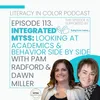
113. Integrated MTSS: Looking at Academics & Behavior Side by Side with Pam Radford and Dawn Miller, MTSS Innovations
What happens when schools treat academics and behavior as two completely separate systems?Dr. Dawn Miller and Dr. Pamela Radford of MTSS Innovations help us explore what it really means to build an integrated Multi-Tiered System of Supports (MTSS): one that recognizes that students’ academic, behavioral, social, and emotional needs don’t exist in isolation.We unpack the powerful relationship between academic success and behavior, including what can happen when a student’s academic struggles show up as avoidance, disengagement, disruptive behavior, or missed instructional time. We also explore the reverse: how behavioral needs and time away from instruction can compound academic difficulties.Dawn and Pam take us inside an integrated MTSS model, discussing how schools can move away from siloed academic and behavior teams and instead create systems in which educators examine multiple sources of data side by side. We talk about universal screening, attendance, office discipline referrals, behavioral screeners, and implementation data.We also dig into what this means for Tier 1 instruction and evidence-based practices. Dawn and Pam explain why selecting an evidence-based practice isn't simply about finding something that “works”; it's about considering the student, the context, available resources, implementation, and the interaction between academic and behavioral needs.For leaders wondering where to even begin? Dawn offers an important reminder: “don't let perfect be the enemy of good”. You may begin by strengthening one part of your system, but the vision from the beginning should be one of integration.Key Takeaways:What an integrated MTSS model actually looks like & why academic and behavioral data should be examined togetherThe relationship between academic struggles, behavior, engagement, and access to instructionBehavioral data sources including attendance, office discipline referrals, universal screeners, and daily progress reportsHow engagement and opportunities to respond can influence both academic and behavioral outcomesSelecting evidence-based practices based on student need, context, resources, and fitThe role of implementation fidelity, and why fidelity data should be used to support educatorsHow leaders can begin moving from siloed systems toward an integrated MTSSWhy continuous improvement really does have to be continuousResources Mentioned:Book: Leading Equity-Based MTSS for All StudentsBook: Promoting Effective MTSS Implementation: Challenges and Solutions for School ConsultationBook: Explicit Instructionhttps://www.mtss-innovations.com/MTSS Fidelity Integrity Assessment (FIA)Self Assessment of MTSS Implementation - Illinois (SAM-I)MTSS Innovations: The Collective & Additional FREE Resources:Recorded webinar: "Epic Fails" where Dawn shares the journey of an integrated model in a first-ring suburban districtRecorded webinar: “Find Your Focus,” that highlights the 6 habits of MTSS to incorporate into an integrated approachA MTSS Discussion Guide for District and School LeadersThis post may contain affiliate links, which means if you click on a link and make a purchase, I may earn a small commission at no additional cost to you. Thank you for supporting the podcast!Connect with Pam and Dawn:Email: <a href="mailto
Podzilla Summary coming soon
Sign up to get notified when the full AI-powered summary is ready.
Free forever for up to 3 podcasts. No credit card required.
Listen to This Episode
More from Literacy in Color: A Science of Reading Aligned Podcast for Educators
115. From Undiagnosed Dyslexia to Advocacy: Ameer Baraka on the Life-Changing Power of Reading (Dyslexia Awareness Month)

114. But what exactly are we "waiting to see"? with Barb Golub (Dyslexia Awareness Month)
112. Routines for Reading Results with Dr. Sarah Brown & Dr. Kelly Powell-Smith
111. When Language is the Missing Piece: DLD & SWI with Two SLPs, Kathleen Love & Beth Coppoc Gunshor
Get summaries like this every morning.
Free AI-powered recaps of Literacy in Color: A Science of Reading Aligned Podcast for Educators and your other favorite podcasts, delivered to your inbox.
Free forever for up to 3 podcasts. No credit card required.