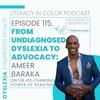
115. From Undiagnosed Dyslexia to Advocacy: Ameer Baraka on the Life-Changing Power of Reading (Dyslexia Awareness Month)
Emmy-nominated actor, dyslexia advocate, and speaker Ameer Baraka explores the human side of unidentified dyslexia. Ameer takes us back to his childhood, when difficulties with reading left him feeling isolated, ashamed, and convinced that he simply wasn’t capable of learning. As his struggles went unidentified, school felt like it wasn’t a place of possibility, and he began searching for another way to make it in the world.It wasn’t until Ameer was incarcerated as a young adult that his educational journey began to change. After being screened for dyslexia and finally having an explanation for the difficulties he had experienced throughout his life, Ameer describes an almost immediate shift in how he saw himself: he wasn’t “stupid.” He could learn.For Ameer, literacy became freedom.Throughout this deeply personal conversation, Ameer shares how learning to read transformed not only his opportunities, but his identity, his sense of hope, and ultimately the trajectory of his life. He also discusses the adults who believed in him when he struggled to believe in himself, the profound influence of his faith, and why he now feels called to advocate for children and incarcerated adults who struggle with literacy.We also discuss what educators may see when reading difficulties show up as something other than reading difficulties – including acting out, frequent physical complaints, avoidance, or the child who quietly disappears into the back of the classroom.Today, Ameer uses his story to advocate for early identification of dyslexia, stronger literacy instruction, prison reform, and greater awareness of the consequences that can occur when children spend years believing they cannot learn.This conversation is ultimately about more than dyslexia. It is about literacy, identity, human potential, faith, and the extraordinary power educators have to help a child see possibilities they may not yet be able to see for themselves.Stay tuned for more details on the film Undiagnosed, a biopic based on Ameer’s life and his experience with dyslexia. It’s the first film of its kind to explore what Ameer calls “the ugly side of dyslexia” – what can happen when a child’s struggles go unidentified and unsupported for far too long. Dyslexia organizations have already reached out in support of the project, and millions of people are anticipating to see this story on screen.Key Takeaways:Ameer's experience growing up with unidentified dyslexiaHow reading struggles affected his identity, self-worth, and relationship with schoolThe connection Ameer sees between literacy struggles, environment, and the paths available to young peopleWhy receiving a dyslexia diagnosis felt liberating & Ameer's powerful belief that literacy is freedomHis advocacy for early dyslexia screening, literacy access, and prison reformThe message he would give his younger self – and the teachers who may have an “Ameer” sitting in their classroom todaySee Ameer Baraka on:ZatimaJupiter JonesA House DividedConnect with Ameer Baraka:Book: Undiagnosed: The Ugly Side of Dyslexia by Ameer BarakaInstagram: @ameerbarakaFacebookLinkedInSupport Undiagnosed: The Ugly Side of Dyslexia (the biopic)This post may contain affiliate links, which means if you click on a link and make a purchase, I may earn a small commission at no additional cost to you. Thank you for supporting the podcast!This podcast is brought to you by Reading Scien
Podzilla Summary coming soon
Sign up to get notified when the full AI-powered summary is ready.
Free forever for up to 3 podcasts. No credit card required.
Listen to This Episode
More from Literacy in Color: A Science of Reading Aligned Podcast for Educators
116. All 50 States Have Dyslexia Laws... So Why Are Kids Still Being Left Behind? with Missy Purcell (Dyslexia Awareness Month)
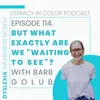
114. But what exactly are we "waiting to see"? with Barb Golub (Dyslexia Awareness Month)
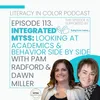
113. Integrated MTSS: Looking at Academics & Behavior Side by Side with Pam Radford and Dawn Miller, MTSS Innovations
112. Routines for Reading Results with Dr. Sarah Brown & Dr. Kelly Powell-Smith
Get summaries like this every morning.
Free AI-powered recaps of Literacy in Color: A Science of Reading Aligned Podcast for Educators and your other favorite podcasts, delivered to your inbox.
Free forever for up to 3 podcasts. No credit card required.