Free Daily Podcast Summary
Navigating Menopause After Cancer: Daily Summaries Delivered
by Dani Binnington
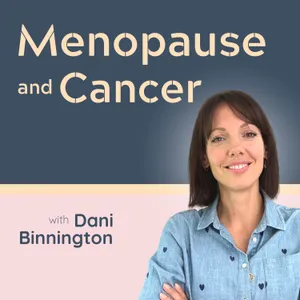
Has cancer treatment led you to early menopause? Do you feel confused about your options? This podcast hosts conversations with cancer patients, survivors and medical professionals to learn about treatments available for women with a cancer diagnosis. I’m Dani Binnington, after breast cancer, surgery to remove my ovaries led me to early menopause, I had no idea what my treatment options were and who in my medical team could help me figure out what to do about my symptoms. I felt alone and unsupported. It took me so long to discover I had lots of options too. If only I’d known sooner! Everything I wish I’d known back then is inside these conversations - so you can make the right choices now.
Latest Episodes
The most recent episodes — sign up to get AI-powered summaries of each one.
- 2 days ago26 min
Episode 244 - Has Menopause After Cancer Changed Who I Am?
Have you ever looked at yourself and thought, "I just don't recognise myself anymore"?Perhaps you used to be the person who could cope with anything. You were organised, confident, resilient and always able to keep going. But since cancer and treatment-induced menopause, things feel different. Your energy has changed, your confidence has taken a knock, and even the smallest challenges can sometimes feel overwhelming.So, what happens when the person we've always been no longer feels like the person we are today?In this personal solo episode, Dani explores how cancer and menopause can affect not just our physical and emotional wellbeing, but our very sense of identity.Dani also shares clips from a fascinating conversation with counsellor Amanda Burridge, who has lived experience of menopause and cancer herself. Together, they reflect on how our personalities shape the way we approach cancer treatment, why the emotional impact can sometimes catch up with us afterwards, and what happens when menopause changes our ability to cope with everyday life.Drawing on her own experience of therapy, Dani also explores how understanding our past, our coping mechanisms and the roles we've always played can help us make sense of who we are now.And in a slightly unexpected turn, Dani finds herself comparing her own experience to a hydrangea!After planting a beautiful blue and purple hydrangea in the wrong soil and watching its flowers change colour, she began thinking about how our environment shapes us.Perhaps we're not so different. Cancer treatment and menopause can change the conditions in which our bodies and minds operate. And just like that hydrangea, perhaps we need to find new ways to nourish ourselves and create the right conditions to thrive again - whether that's through counselling, lifestyle changes, better symptom management or simply learning to be a little kinder to ourselves.Maybe we haven't lost who we are. Maybe we just need different conditions to flourish.In this episode, Dani and Amanda explore:Why we often approach cancer treatment in the same way we've always approached life.How treatment-induced menopause can affect our confidence, resilience, energy and sense of self.The difference between losing who we are and losing the capacity to function as we once did.How counselling and therapy can help us understand ourselves beyond our cancer diagnosis.Episode Timestamps:00:00 Intro06:18 Juggling motherhood and cancer diagnosis12:28 Navigating menopause after cancer14:16 Exploring identity after menopause and cancer18:38 Navigating menopause and cancer recovery23:17 Navigating menopause after cancer25:38 Menopause and self-identity changesIf you’d like to explore topics along these lines, continue listening here:Episode 219: Who Am I Now? Identity After Menopause and CancerEpisode 207: Why Menopause After Cancer Comes With GriefEpisode 236: The 5 Things I Know About Menopause After CancerYou can find out more about Amanda Burridge here: https://www.human2human.co.uk/And here’s Dani’s book ‘Navigating Menopause After Cancer’: https://amzn.eu/d/075qt2xnConnect with us:For more information and resources, visit our website: www.menopauseandcancer.org Follow us on Instagram @menopause_and_cancerFind us on YouTube: http://www.youtube.com/@NavigatingMenopauseAfterCancer Join my NEW blog ‘Still Becoming’ on Substack: <a href="https://www.youtube.com/redirect?event=video_description&redir_token=QUM4Zm9rUmhDSXQ0YmhWWGFDcGEyWElFZ3NWanxBR3JiS2FuTW8yTjNobE1Xa0wxaXZJcjJyaTZxQkNpbjBrandzWGtNMGcwbEVVYlNUV0ZvM2ItOTlBZy1JNnVmVm9XTlczd2x6aEh3YkJWajdTZ1pEN3ItdVY2ckZhQURYeUtt&q=https%3A%2F%2Fsubstack.com%2F%4
- 1 weeks ago34 min
Episode 243 - Why This Menopause Doctor Isn't Against Supplements
Ever wondered which supplements might actually help you feel better during or after cancer treatment and help ease menopause symptoms? And which ones are worth your money?When you're feeling exhausted, struggling with symptoms and desperate to feel more like yourself, it's tempting to head straight to the health food shop. But with so much conflicting advice, and healthcare professionals often telling us there isn't enough evidence, how do we know what's safe, what works and what to avoid?I'm delighted to welcome Dr Muninder Walia, GP, menopause specialist and breast cancer survivor, to the podcast to explore one of the questions she hears most often from people affected by cancer: What about supplements?What I particularly love about Muninder's approach is that she doesn't simply shut down the conversation. Instead, she encourages curiosity, open discussions and informed decisions.Because when we're looking for ways to feel better, we deserve more than simply being told there isn't enough evidence.Having experienced what it's like not to feel heard by her own medical team, Muninder is determined to be the kind of doctor she once needed, one who listens, takes every question seriously and makes sure her patients feel heard, informed and empowered to make the decisions that are right for them.We talk about:Why so many of us ask about supplementsMuninder's "try it, give it six to eight weeks, and stop if it doesn't work" approachWhy she's honest about the safety side too, including liver toxicity, anaphylaxis, and checking your immune system and inflammatory markers during treatmentHow her own diagnosis changed her practice and her thinking about survivorshipThe omega-3 and omega-6 balance, and why oestrogen loss can drive up inflammation. Vitamin D, magnesium and B12. We also talk about the research linking low vitamin D with breast cancerPrivate testing, including gut health tests that have dropped from hundreds of pounds to around £100. We also talk about why we should look for evidence and not gimmicksReformer Pilates, friendship, family, CBT-style positive thinking and the power of a second opinionHer message to everyone: ask the question, and ask us, not ChatGPTEpisode Timestamps:00:00 Intro04:20 Discussing traditional supplement use08:13 Balancing medical advice with misinformation11:08 Finding positivity after cancer treatment14:43 Discussing omega-3 testing options17:35 Using diet to reduce inflammation23:13 Seeking a second opinionHere are the links to support this episode:My earlier episode with Professor Thomas, an oncologist and integrative doctor, on turmeric and evidence: Episode 224 and Episode 225My book, Navigating Menopause After Cancer https://amzn.eu/d/073dhfvj You can find Muninder here: https://www.berkshiregrovehospital.co.uk/surgeons/dr-muninder-walia
- 2 weeks ago59 min
Episode 242 - “I Felt Castrated”: Two Sisters Diagnosed Weeks Apart on Cancer, Menopause, and Sexuality
What happens when two sisters are diagnosed with breast cancer just weeks apart and then find that menopause after cancer affects each of them in very different ways?In this episode, I speak with Sarah and Sophie about their diagnoses, the family support that carried them through treatment, and the lasting effects of medically induced menopause. Though the sisters faced similar diagnoses, their symptoms and experiences were really different: Sophie describes mood changes, anxiety, rage, and sleep difficulties, while Sarah shares the profound impact on her libido, sexual function, and sense of identity.In this open conversation about sexuality and intimacy, Sarah explains why “medical castration” feels more accurate to her experience than the word “menopause.” Together, we discuss feeling unprepared, navigating care between oncology and gynaecology, advocating for support, and adapting intimacy when bodies and relationships change.Make sure you listen to the end, I share one of my favourite poems with you! Episode Highlights:00:00 Intro08:51 Genetic mutation and sister's diagnosis11:53 Support system for Sarah's diagnosis18:06 Dealing with post-cancer life changes22:06 Going through cancer and menopause28:09 Frustration with managing menopause35:44 Discussing relationship challenges and joy39:22 Discussing IVF and Medical Menopause53:17 Finding peace with low libido55:03 Discussing Medical Menopause TransitionRead more about Sarah here: https://www.patreon.com/cw/SarahBarnessAnd here are the links to some of my other episodes on intimacy: Episode 201 - Sexual Health After Cancer Treatment: A Practical Show-And-Tell Guide Episode 196 - From GSM to Tantra - A Story of Discovering Pleasure After Cancer
- 3 weeks ago44 min
Episode 241 - From “I Don’t Recognise Myself” to a Future Full of Possibility
What happens when cancer treatment ends, but menopause symptoms mean you still don't feel like yourself?This week, I'm joined by the wonderful Sue Weldon, founder of Unite for Her, who shares her incredibly honest and inspiring story of life after breast cancer.Sue remembers looking in the mirror after treatment and barely recognising herself. Her body had changed, she was dealing with menopause and a whole host of unexpected side effects, and yet everyone seemed to think she should be celebrating that treatment was over.Sound familiar?What I love about Sue's story is how she turned her own experience into something extraordinary. She founded Unite for Her, a nonprofit supporting people affected by breast cancer through integrative care, and has now written a beautiful book, Heal, Empower, Restore.Sue shares the simple things that make a difference in her everyday life, from sleep and movement to nutrition, community and, importantly, giving yourself permission to rest.In this episode, we explore:Why finishing cancer treatment doesn't always mean feeling betterThe unexpected impact of menopause after cancerHow integrative therapies can support recovery alongside conventional cancer careFinding confidence and reconnecting with your bodyThe importance of sleep, movement, nutrition and communityLearning to say YES to life againThis is such a lovely conversation about hope, resilience and recognising that life after cancer might look different, but it can still be full of possibility.I hope you enjoy listening! 💜Episode Highlights:00:00 Introduction04:15 Founding Unite for Her nonprofit06:27 Young adults learning menopause support10:55 Discussing acupuncture benefits13:02 Challenges of insurance covering acupuncture17:14 Discussing cancer treatment decisions21:42 Deciding on endocrine therapy30:42 Finding personal balance and support36:49 Sue’s non-negotiablesResources mentioned:Unite for Her and Sue’s book: https://uniteforher.org/healempowerrestore/Link: Previous podcast episode on oncology acupuncture: Episode 210 - Can Acupuncture Help Menopause Symptoms After Cancer? Looking at the ResearchConnect with us:For more information and resources, visit our website: www.menopauseandcancer.org Follow us on Instagram @menopause_and_cancerFind us on YouTube: http://www.youtube.com/@NavigatingMenopauseAfterCancer Join my NEW blog ‘Still Becoming’ on Substack: https://substack.com/@danibinnington?...Buy my book ‘Navigating Menopause After Cancer’: https://amzn.eu/d/07dUoYBbJoin our Facebook group: www.facebook.com/groups/menopauseandcancerchathub
- Oct 21, 202656 min
Episode 240 - What Should We Really Eat in Menopause After Cancer?
Protein, sugar, soya, supplements, inflammation… what should we actually be eating when we're navigating menopause after cancer?Cancer treatment can bring on menopause earlier than expected, and suddenly we're dealing with a whole new set of challenges. Weight changes, hot flushes, bone health, cholesterol, fatigue and brain fog — all while wondering whether what we eat might affect our long-term health or risk of cancer recurrence.And with so much conflicting nutrition advice out there, it's easy to feel completely overwhelmed!In this episode, I'm joined by returning guest, nutritionist and now bestselling author (!!) Julie, to cut through the confusion and help us understand what really matters when it comes to eating well in menopause after cancer.We're playing a game of Yes, No or Maybe?, tackling some of the questions we hear most often:Can changing our diet really make a difference to our health after cancer?If we're already eating healthily, do we need to change anything when menopause hits?Does the type of cancer we've had affect what we should eat?Do we need different diets for our bones, cholesterol, heart health and menopause symptoms?Does sugar really feed cancer?Is soya safe after cancer?What about red meat and dairy?Are there supplements we should be taking — or avoiding?And do we still need nutrition books in the age of AI and social media?!This is a practical conversation about nourishing our bodies, supporting our health through menopause and letting go of unnecessary food fears.Because after everything our bodies have been through, eating well should be about feeling better, not adding another layer of worry.Episode Highlights:00:00 Intro and quick-fire questions with Julie07:11 Addressing food anxiety and confusion12:04 Mediterranean diet principles overview18:13 Menopause and dietary support20:32 Supporting Hormones Through Diet25:13 Post-treatment weight management struggles27:59 Discussing cholesterol and endocrine treatment33:05 Balancing Blood Sugar Levels36:18 Discussing blood sugar management37:41 Skipping or delaying breakfast40:54 Red meat consumption guidelines48:02 Discussing supplement effectiveness and costsResources mentioned:Julie's new book: https://amzn.eu/d/034hftyvYou can find Julie here https://www.juliewebbnutrition.org/ Navigating Menopause After Cancer by Dani Binnington https://amzn.eu/d/03rPbPvsOther podcast episodes with Julie:Ep 147 – Which Diet Helps Ease Menopause Symptoms After Cancer? with Julie Webb Ep 161 – Why a High-Protein Diet Isn't The Answer with Julie WebbEp 190 – Inflammation and Menopause After Cancer: How Food Can Help with Julie WebbConnect with us:For more information and resources, visit our website: www.menopauseandcancer.org Follow us on Instagram @menopause_and_cancerFind us on YouTube: http://www.youtube.com/@NavigatingMenopauseAfterCancer Join my NEW blog ‘Still Becoming’ on Substack: https://substack.com/@danibinnington?...</s
- Oct 14, 202654 min
Episode 239 - Weight, GLP-1s, and Cancer: Jenny’s Story with Dr. Eleonora Teplinsky
This week I’m joined by my lovely friend and community member Jenny Costelloe, alongside oncologist Dr Eleonora Teplinsky, to talk about something I know so many of you will relate to: weight changes after cancer treatment, the struggle to lose weight during ongoing treatment, and the growing conversation around GLP-1 medications.But this episode is really about much more than weight.It’s about what happens when cancer treatment, menopause, joint pain, changes to your body and quality of life all collide – and how we begin to work out what might actually help.Jenny shares her breast cancer story and talks very honestly about the impact surgical menopause and endocrine therapy have had on her body and her life. At one point, she describes feeling almost physically broken – dealing with weight gained through chemotherapy and treatment, reduced mobility and persistent pain that was making everyday life increasingly difficult.We also hear from board-certified oncologist Dr Eleonora Teplinsky, who helps us understand the emerging evidence around GLP-1 medications after cancer, what we know and still don’t know, and why conversations about weight, metabolic health, symptoms and being able to stay on cancer treatment really matter.And I love something Jenny says during our conversation:“This is just about finding the path that works for you individually.”I couldn’t agree more.Episode Highlights:00:00 Intro05:35 Navigating menopause during cancer treatment08:09 Considering GLP-1s and BMI thresholds12:12 Dr Eleonora Teplinsky’s perspective on menopausal concerns17:06 Impact of endocrine therapy on weight17:55 Challenges in weight management and sleep21:00 Exploring GLP-1s and cancer risk24:17 Concerns with GLP-1 and lifestyle changes27:36 Discussing weight loss medication options32:26 Starting GLP-1s with no side effects35:43 Reduced alcohol craving on GLP-140:17 Struggles with post-treatment life41:36 Starting strength training journey44:46 Evaluating cancer treatment effectsYou can find Dr Teplinsky here:https://www.instagram.com/drteplinsky/?hl=enDr Teplinsky’s book: Beyond the Pink: Navigating Life, Health, and Breast CancerIs here: https://www.waterstones.com/book/beyond-the-pink/eleonora-teplinsky/9781538777145?sv1=affiliate&sv_campaign_id=57434&awc=3787_1787842057_ae304a0903d89dccf48ecd30b2f05367&sn=1&utm_source=57434&utm_medium=affiliate&utm_campaign=EasyfundraisingAnd here is the article on GLP1’s Dani mentions in the podcast: https://www.oncnursingnews.com/view/glp-1-receptor-agonists-show-promise-in-asco-2026-research
- Oct 7, 202638 min
Episode 238 - Creatine After Cancer: Could It Help Us Get Stronger?
Everyone’s Talking About Creatine. But Should Cancer Survivors Take It?Creatine seems to be everywhere right now. But what actually is it, what can it do for our strength and muscle, and the big question for this community: is it safe to take after cancer, and can it help with symptoms of menopause?Today I have two brilliant experts to help us understand both the potential benefits and the safety of creatine after a cancer diagnosis.First, you'll hear from Dr Eleonora Teplinsky, medical oncologist, who helps us unpack what we currently know — and importantly, what we still don't know — about creatine and cancer. The evidence specifically in people affected by cancer is still limited, so this is an important part of the conversation. Then I'm joined by Sarah Newman, oncology exercise specialist and founder of Get Me Back, to take the conversation into the practical world of exercise, strength and recovery after cancer.We talk about what creatine actually does, why maintaining muscle matters so much as we age and go through menopause, and why resistance training is such an important part of the picture.We also get practical: Do you have to lift heavy weights? How often should we be strength training? Can creatine help if you're not an athlete? What type should you take? Does it cause weight gain? And where should someone start if cancer treatment has left them feeling weak, exhausted or simply disconnected from exercise?Because this isn't really an episode about taking a scoop of powder.It's a conversation about rebuilding strength after cancer, understanding our bodies, and finding out what might genuinely help us feel stronger again.Episode Highlights:00:00 Intro04:37 Building healthy habits step-by-step08:13 Building strength after cancer treatment10:46 Discussing exercise and creatine use14:59 Importance of diet and recovery16:54 Concerns about effective muscle maintenance22:58 Creating supportive exercise spaces26:34 Rebuilding muscle after chemotherapy27:57 Incorporating exercise for bone health32:37 Benefits of strength training34:30 Supporting diverse health needsDisclaimer: This episode is for education and information and isn't a substitute for personalised medical advice. Please speak with your healthcare team before starting creatine or any new supplement, particularly during cancer treatment or if you have other medical conditions. Current cancer-specific evidence on creatine remains limited. (Oncology Nursing Society)Here are the links mentioned in this episode:Dr Teplinsky’s article on Creatine: https://drteplinsky.substack.com/p/creatine-supplementation-after-aFind Sarah and her Get me Back Exercise Programs here: https://www.getmeback.uk/Find Dr Teplinsky’s new book here: https://www.waterstones.com/book/beyond-the-pink/eleonora-teplinsky/9781538777145
- Sep 30, 202638 min
Episode 237 - Beyond Tamoxifen and AIs: Are SERDs the New Kids on the Block?
What if tamoxifen and aromatase inhibitors weren’t the only options?For many people with hormone receptor-positive breast cancer, endocrine therapy can be lifesaving – but it can also be incredibly difficult to live with. Joint pain, sleep problems, sexual health changes, bone health, weight and metabolic changes can all have a significant impact on day-to-day life.And for some, the question becomes: what else is there?In this episode, Dani is joined by oncologist Dr Eleonora Teplinsky, author of Beyond the Pink: Navigating Life, Health, and Breast Cancer, to explore the changing landscape of breast cancer treatment and survivorship.One of the big topics is SERDs – a newer generation of endocrine therapies that are creating a lot of interest in the breast cancer world. What are they? How are they different from tamoxifen and aromatase inhibitors? What did we learn from the LIDERA study? And could having more endocrine treatment options eventually make a meaningful difference for patients struggling with side effects?But, as always, this isn't only about the science.Dani also sits down with Rachel Bowman, breast cancer survivor and Director at Menopause and Cancer, to mull over what all of this actually means when you’re the person taking these treatmentsDr Teplinsky also shares the thinking behind her new book, Beyond the Pink, which brings together evidence-based, practical information about the questions people often don't have enough time to explore during an oncology appointment.Here are the links mentioned in this episode:Find Dr Teplinsky’s new book here: https://www.waterstones.com/book/beyond-the-pink/eleonora-teplinsky/9781538777145Watch this Substack video with Dr Teplinsky on Serds: https://drteplinsky.substack.com/p/ob-gyn-x-oncologist-session-2-ascoEpisode Highlights:00:00 Introduction04:31 Discussing rising early-onset cancers with Dr Teplinsky09:05 Discussing limitations of current treatments11:46 Uncertainty with new treatments16:26 Acknowledging emotional struggles post-chemo19:10 Evolving breast cancer treatment22:07 Cancer treatment advancements discussion with Rachel24:06 Discussing cancer drug availability28:17 Managing menopause and cancer treatment31:52 HRT journey in Dubai36:08 Encouragement for endocrine therapy patientsConnect with us:For more information and resources, visit our website: www.menopauseandcancer.org Follow us on Instagram @menopause_and_cancerFind us on YouTube: http://www.youtube.com/@NavigatingMenopauseAfterCancer Join my NEW blog ‘Still Becoming’ on Substack: https://substack.com/@danibinnington?...Buy my book ‘Navigating Menopause After Cancer’: https://amzn.eu/d/07dUoYBbJoin our Facebook group: www.facebook.com/groups/menopauseandcancerchathub
Get Navigating Menopause After Cancer summaries in your inbox
Free AI-powered daily recaps. Key takeaways, quotes, and mentions — in a 5-minute read.
Get Free Summaries →Free forever for up to 3 podcasts. No credit card required.
You Might Also Like
Listeners also like.

INTERLUDE: Cancer Stories with Dr. Teplinsky
Eleonora Teplinsky

Afterpause
Evidence-based guidance on menopause, hormone health, sleep, and metabolism from a certified wellness coach and women's health experts.

Everyday Wellness: Midlife Hormones, Menopause, and Science for Women 35+
A nurse practitioner shares science-based strategies for managing midlife hormones, menopause, and women's health.

BETTER! with Dr. Stephanie Estima | Women's Strength, Body Composition and Hormones
Women in perimenopause and menopause learn science-based strategies for strength, hormones, and body composition from expert interviews.
unPAUSED with Dr. Mary Claire Haver
A board-certified OB-GYN hosts candid discussions with experts and leaders on women's health, identity, and empowerment in midlife.
Treated with Dr. Sara Szal
Dr. Sara Szal explores holistic health solutions through conversations with experts and patients seeking mind, body, and soul healing.
You Are Not Broken
A urologic surgeon hosts experts to discuss women's health, hormones, and sexuality with science-backed insights and candid conversation.

The Tamsen Show
A journalist explores health, reinvention, and relationships with experts and women reshaping their lives.

Red Pill Your Healthcast
Two healthcare providers discuss overlooked health issues and empower listeners to make informed decisions for their families.

Thrive Through and Beyond Cancer
Season Johnson

Live Like a Girl with Dr. Mindy Pelz
Dr. Mindy Pelz explores women's health through hormone science and wellness conversations to help women live in rhythm with their bodies.

The Food Medic
Dr. Hazel Wallace
About Navigating Menopause After Cancer
Has cancer treatment led you to early menopause? Do you feel confused about your options? This podcast hosts conversations with cancer patients, survivors and medical professionals to learn about treatments available for women with a cancer diagnosis. I’m Dani Binnington, after breast cancer, surgery to remove my ovaries led me to early menopause, I had no idea what my treatment options were and who in my medical team could help me figure out what to do about my symptoms. I felt alone and unsupported. It took me so long to discover I had lots of options too. If only I’d known sooner! Everything I wish I’d known back then is inside these conversations - so you can make the right choices now.
Customized Recaps
AI-powered recaps with compact key takeaways, quotes, and insights.
Straight to Your Inbox
Get key takeaways from Navigating Menopause After Cancer in a 5-minute read.
Save Hours Every Week
Stay current on your favorite podcasts without falling behind.
Frequently Asked Questions
What is Podzilla's Navigating Menopause After Cancer daily summary?
It's a free AI-powered email that summarizes new episodes of Navigating Menopause After Cancer as soon as they're published. You get the key takeaways, notable quotes, and links & mentions — all in a quick read.
How does the Navigating Menopause After Cancer podcast summary work?
When a new episode drops, our AI transcribes and analyzes it, then generates a personalized summary tailored to your interests and profession. It's delivered to your inbox every morning.
Is this an official Navigating Menopause After Cancer product?
No. Podzilla is an independent service that summarizes publicly available podcast content. We're not affiliated with or endorsed by Dani Binnington.
Can I get summaries of other podcasts too?
Absolutely! The free plan covers up to 3 podcasts, any in the catalog. Basic raises that to 15, Pro to 40 and Max to 100. Browse our full catalog at /podcasts.
How often does Navigating Menopause After Cancer release new episodes?
Navigating Menopause After Cancer publishes weekly. Our AI generates a summary within hours of each new episode.
What topics does Navigating Menopause After Cancer cover?
Navigating Menopause After Cancer covers topics including Medicine, Fitness, Health & Fitness, Mental Health. Our AI identifies the specific themes in each episode and highlights what matters most to you.
Start getting Navigating Menopause After Cancer summaries tomorrow morning.
Free forever for up to 3 podcasts. No credit card required.
Free forever for up to 3 podcasts. No credit card required.