Free Daily Podcast Summary
Everyday Wellness: Midlife Hormones, Menopause, and Science for Women 35+: Daily Summaries Delivered
by Everyday Wellness
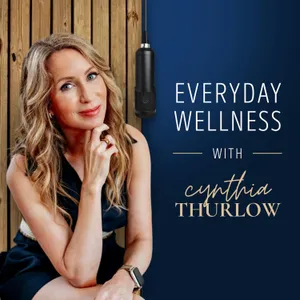
Looking for the latest strategies for dealing with menopause, hormones and midlife health issues? You're in the right place! Cynthia Thurlow is a nurse practitioner, host of the Everyday Wellness podcast, author and international speaker, with over 15 million views for her second TEDx talk (Intermittent Fasting: Transformational Technique). With over 25 years experience in health and wellness, Cynthia is a globally recognized expert in perimenopause/menopause and intermittent fasting, and has been featured on ABC, FOX5, KTLA, CW, Medium, Entrepreneur, and The Megyn Kelly Show. Her mission is to help empower women to live their most optimal lives in perimenopause and beyond.
Latest Episodes
The most recent episodes — sign up to get AI-powered summaries of each one.
- Today1h 1m
BONUS: Rethinking Diabetes: Treatment and Management in the Modern Era with Gary Taubes
I am thrilled to have Gary Taubes back on the show today. (He was with me before on episode 137. Gary is an investigative science and health journalist whose work has been pivotal in catalyzing the low-carb keto movement. He has written many books, including his most recent, Rethinking Diabetes, and his articles are in many of the best anthologies. He has also received many science awards. Today's discussion is particularly significant, given the recent report from the American Diabetes Association revealing that the annual cost of diabetes in the United States reached a staggering $412.9 billion in 2022, with individuals diagnosed with diabetes now representing one in every four dollars spent on healthcare. In our discussion today, we dive into the history of diabetes, pertinent statistics, the prevailing standard of care, and the transformative influence of insulin on diabetes management and reactive hypoglycemia. Gary provides insights into his reactions to GLP-1s, the integration of medical and nutritional science into medicine, and the influence of organizations such as the American Diabetes Association, AHA, USDA, and NIH. Our discussion also extends to the effects of pharmaceuticals, the shortcomings of our approach to diabetes management and of existing models, and the challenges the low-carb community faces. Stay tuned for today's eye-opening conversation, where we shed light on the complexities of diabetes care and explain how simple lifestyle changes can tremendously improve quality of life. IN THIS EPISODE YOU WILL LEARN: Rethinking Diabetes is a groundbreaking exploration of diabetes diagnosis, management, and treatment Gary discusses the evolution of evidence-based medicine Why the traditional medical approach to treating diabetes is inadequate How the guidelines of the American Diabetes Association were based on outdated assumptions How medical treatments compare with lifestyle changes for managing diabetes Controversies surrounding how the pharmaceutical industry has influenced the way medical associations have shaped their diabetes management policies How medical guidelines and dietary advice have evolved What constitutes a healthy diet? How patients often have trouble following diet recommendations, despite their best intentions Is obesity a hormonal disorder or caused by overeating? Connect with Cynthia Thurlow Check out Cynthia’s website. Check out the Everyday Podcast on Instagram! www.instagram.com/everydaywellnesspodcast Follow on X, Instagram & LinkedIn Submit your questions to support@cynthiathurlow.com Join other like-minded women in a supportive, nurturing community: The Midlife Pause/Cynthia Thurlow. Purchase Cynthia’s book, The Menopause Gut. Cynthia’s Intermittent Fasting Transformation Book The Midlife Pause Supplement Line Connect with Gary Taubes On his website Twitter Facebook Previous Episode Mentioned Ep. 137 – High Blood Sugar Levels and Long-Term Damage with Gary Taubes Book Mentioned: Rethinking Diabetes: What Science Reveals About Diet, Insulin, and Successful Treatments is available from most bookstores or on Amazon.
- 2 days ago1h 0m
Ep. 650 ADHD and Hormones in Women with Jolene Brighten, ND/NMD
Today, I’m honored to reconnect with Dr. Jolene Brighten. She’s an award-winning, board-certified naturopathic endocrinologist, nutrition scientist, and leading voice in women’s health. She’s the author of Beyond the Pill, Healing Your Body Naturally After Childbirth, and her latest book, ADHD and Women: A Guide to Optimizing Your Hormones and Thriving with ADHD, which represents an expansion of her core thesis that women’s symptoms get chronically misattributed when the hormone piece is left out of the picture, which she now applies to ADHD. She also hosts The Dr. Brighten Show. In today’s conversation, we look at why ADHD symptoms surface or worsen at hormonal transitions, the mental health effects of oral contraceptives and synthetic hormones, and the gut-brain connection to ADHD. We explore how gut dysbiosis dysregulates vagal nerve signaling; how butyrate and other short-chain fatty acids influence it; what endobelly is and how it affects histamine and mast cell degranulation; and emerging research on GLP-1s and endometriosis. We also discuss rejection sensitivity disorder and masking, nutritional and o lifestyle recommendations for improving symptomatology, and how key supplements like cytochrome and saffron can improve memory and mitochondrial health. Stay tuned for a truly insightful conversation with Dr. Jolene Brighten and a deeper look at ADHD and Women. IN THIS EPISODE, YOU WILL LEARN: How perimenopause can amplify ADHD symptoms Why ADHD in some women remains unidentified until midlife How gut dysbiosis can influence vagal nerve signaling in the ADHD brain Why butyrate and resistant starches may be important for the ADHD brain The connection between endometriosis, ADHD, and the gut How Dr. Brighten guides neurodivergent women through HRT conversations How rejection sensitivity dysphoria can affect women with ADHD Dr. Brighten shares lifestyle recommendations for women with ADHD Bio: Dr. Jolene Brighten is a hormone expert, nutrition scientist, and founder of Dr. Brighten Essentials. Board-certified in naturopathic endocrinology, a certified menopause specialist, and sex counselor, she is the bestselling author of Beyond the Pill, Is This Normal?, and the forthcoming ADHD and Women. She is dedicated to helping women optimize their hormone, brain, and sexual health through evidence-based education. Connect with Cynthia Thurlow Check out Cynthia’s website. Check out the Everyday Podcast on Instagram! www.instagram.com/everydaywellnesspodcast Follow on X, Instagram & LinkedIn Submit your questions to support@cynthiathurlow.com Join other like-minded women in a supportive, nurturing community: The Midlife Pause/Cynthia Thurlow. Purchase Cynthia’s book, The Menopause Gut. Cynthia’s Intermittent Fasting Transformation Book The Midlife Pause Supplement Line Connect with Dr. Jolene Brighten Website Pre-order bonuses for ADHD and Women (Meal plans to help optimize hormones and a PMDD workshop) On Social Media: @DrJoleneBrighten The Dr. Brighten Show
- 4 days ago18 min
Ep. 649 Hormone Therapy After Hysterectomy |Menopause, Perimenopause, Hormone Health
Welcome to this week’s Midlife Minute! Today, I examine partial and full hysterectomies and what we know about their potential long-term effects, clarifying what the research tells us about bone, brain, and cardiovascular health, and what women should discuss with their healthcare providers before and after surgery. IN THIS EPISODE, YOU WILL LEARN: How a partial hysterectomy differs from a full hysterectomy, and the abrupt estrogen changes ovarian removal can produce Why having a hysterectomy before ages 40-45 can have a greater impact than having surgery closer to natural menopausal age. How a hysterectomy can impact women’s bone health What the research reveals about the connection between surgical menopause at a younger age, cognitive decline, and Alzheimer’s pathology How a hysterectomy can affect women’s cardiovascular health Why starting HRT early after an early-age hysterectomy could be important for your long-term health Why younger women who experience surgical menopause may require higher estradiol doses than the standard menopausal regimens The importance of advocating for yourself, understanding your personal risk, and talking with your clinician about estrogen and other hormone therapy before undergoing surgery Quotes: “Start those conversations early- before you ever have surgery.” “If you are having these surgeries done before 45, before 40, you need HRT!” “We have to manage our stress.” “We have to get enough sleep.” “We should be strength training.” “We should be physically active.” “We should be eating an anti-inflammatory diet.” Connect with Cynthia Thurlow Follow on X, Instagram & LinkedIn Check out Cynthia’s website. Submit your questions to support@cynthiathurlow.com Join other like-minded women in a supportive, nurturing community: The Midlife Pause/Cynthia Thurlow. Purchase Cynthia’s book, The Menopause Gut. Cynthia’s Intermittent Fasting Transformation Book The Midlife Pause Supplement Line Research: Increased Risk of Osteoporosis With Hysterectomy: A Longitudinal Follow-Up Study Using a National Sample Cohort. American Journal of Obstetrics and Gynecology. 2019. Choi HG, Jung YJ, Lee SW. Menopause Transition and Cardiovascular Disease Risk: Implications for Timing of Early Prevention: A Scientific Statement From the American Heart Association. Circulation. 2020. El Khoudary SR, Aggarwal B, Beckie TM, et al. Cardiovascular Disease After Hysterectomy in the Nurses' Health Study and Nurses' Health Study II. Obstetrics and Gynecology. 2025. Thao V, Borah B, Stewart EA, et al. Treatment of Women After Bilateral Salpingo-oophorectomy Performed Prior to Natural Menopause. The Journal of the American Medical Association. 2021. Kaunitz AM, Kapoor E, Faubion S. Hysterectomy, Oophorectomy, and Bone Health: A Systematic Review and Meta-Analysis. European Journal of Endocrinology. 2025. Shariful Islam M, Tuesley KM, Wilson LF, et al. Risk of Osteoporosis and Fracture After Hysterectomies Without Oophorectomies: A Systematic Review and Pooled Analysis. Osteoporosis International. 2022. Xu W, Wu W, Yang S, et al. Hysterectomies Are Associated With an Increased Risk of Osteoporosis and Bone Fracture: A Population-Based Cohort Study. PloS One. 2020. Yeh YT, Li PC, Wu KC, et al. Age at Surgical Menopause Influences Cognitive Decline and Alzheimer Pathology in Older Women. Neurology. 2014. Bove R, Secor E, Chibnik LB, et al. Reproductive Period and Risk of Dementia in a Diverse Cohort of Health Care Members. Neurology. 2019. Gilsanz P, Lee C, Corrada MM, et al. Examining the Association of Hysterectomy With and Without Oophorectomy on Cardiovascular Disease and All-Cause, Cardiovascular or Cancer Mortality: A Systematic Review and Meta-Analysis. BJOG: An International Journal of Obstetrics and Gynecology. 2024. Chen Y, Li F, Liang L, et al. Association of Premature Natural and Surgical Menopause With Incident Cardiovascular Disease. The Journal of the American Medical Association. 2019. Honigberg MC, Zekavat SM, Aragam K, et al Optimizing Health After Early Menopause. Lancet. 2024. Mishra GD, Davies MC, Hillman S, et al. Hormone Replacement Therapy for Women Previously Treated for Endometrial Cancer. The Cochrane Database of Systematic Reviews. 2018. Edey KA, Rundle S, Hickey M.
- 5 days ago53 min
Ep. 648 High and Low Cortisol Explained with Dr. Erin Kinney
Today, I’m delighted to connect with Dr. Erin Kinney. She’s a naturopathic medicine doctor and the founder of the Kinney Clinic, which focuses on hormone replacement therapy, nutrition, adrenal health, thyroid, and lymphatic system issues. Dr. Kinney is also the stress reset expert and author of The Cortisol Cure. In our conversation, we explore cortisol debt, how to recognize it through self-assessment, and why Dr. Kinney believes we need to change the narrative around stress. We discuss ways to modulate the autonomic nervous system, specifically the parasympathetic, the true drivers of low cortisol, including sleep and circadian rhythm disruption, overtraining without adequate recovery, nutrient depletion, chronic or stealth infections, and unresolved trauma. Dr. Kinney explains how Lyme disease, Epstein-Barr virus, and mold and mycotoxin exposure can contribute to more pronounced stress responses, and we examine the influence of caffeine, alcohol, and stimulants; calming supplements for stress and sleep; the gut-brain axis and gut immune dysfunction. Dr. Kinney also shares her preferred strategies to regulate cortisol easily and effectively. Stay tuned for a truly enjoyable conversation with the delightful Dr. Kinney. Her book, The Cortisol Cure, is a great resource for anyone suffering from multiple stress-related issues. IN THIS EPISODE, YOU WILL LEARN: What “cortisol debt” means The value of short, intentional periods of rest for training the “relaxed muscle” How low cortisol can involve both external and internal stressors How early trauma can train the nervous system to stay activated Why alcohol may lead to disrupted sleep and anxiety How caffeine and stimulants can increase your energy debt Why supplements cannot replace foundational practices that support stress-response regulation Dr. Kinney’s preferred supplements for calming the autonomic nervous system How a poorly functioning gut can impact immune cells, thyroid-hormone conversion, and the body’s immune response Dr. Kinney shares three repeatable practices to begin regulating cortisol Bio: Dr. Erin Kinney is a naturopathic doctor, author, and speaker specializing in hormonal health and the effects of chronic stress. She is the creator of the “Cortisol Bank Account” framework, the foundation of her book The Cortisol Cure, which breaks down complex stress and hormone science into a simple, accessible approach that helps readers understand what’s happening in their bodies and how to start feeling better. She founded The Kinney Clinic in Annapolis, Maryland, where she helps high-functioning men and women get to the root of fatigue, hormone imbalance, and chronic health issues so they can reset their stress response, boost their energy, and feel better than ever. Connect with Cynthia Thurlow Follow on X, Instagram & LinkedIn Check out Cynthia’s website. Submit your questions to support@cynthiathurlow.com Join other like-minded women in a supportive, nurturing community: The Midlife Pause/Cynthia Thurlow. Purchase Cynthia’s book, The Menopause Gut. Cynthia’s Intermittent Fasting Transformation Book The Midlife Pause Supplement Line Connect with Dr. Erin Kinney The Kinney Clinic On Instagram The Dr. Kinney Show
- 1 weeks ago52 min
BONUS: Cholesterol, ApoB, and Lp(a) with Crystal Gossard, DCN, MS, CNS, LN
This episode is sponsored by Life Extension. I am delighted to have Dr. Crystal Gossard, the Manager of Education at Life Extension, joining me today. Dr. Gossard is a Doctor of Clinical Nutrition with over 15 years of experience in nutrition, fitness, dietary supplements, and integrative functional medicine. In our conversation today, Dr. Gossard and I discuss uncommon heart health testing, including gaps in care for women in perimenopause and menopause, and clarify the critical importance of a bioindividual personalized approach. We dive into specifics on labs, including ApoB as a direct measurement, the influence of glycation, insulin resistance and insulin sensitivity, LP(a), and high-sensitivity CRP as both a marker of systemic inflammation and a targeted inflammatory profile marker. We also cover oxidized LDL, inflammation and oxidative stress, the importance of CoQ10, and screening modalities like coronary artery calcium scoring, CCTA, CT angio, and Cleerly, and minerals, including magnesium and its role in over 600 enzymatic reactions in the body. Stay tuned for more! IN THIS EPISODE, YOU WILL LEARN: The importance of advanced lab testing for cardiovascular and metabolic health in women, particularly during perimenopause and menopause What ApoB reveals about cardiovascular risk Why Dr. Gossard considers LP(a) a one-and-done test How elevated high-sensitivity CRP can indicate inflammation “simmering” in the background How to manage inflammation through nutrition How Dr. Gossard explains oxidized LDL The value of CoQ10 for oxidized LDL When should someone move beyond lab work to cardiovascular screening? What magnesium testing can reveal How magnesium supports the body Connect with Cynthia Thurlow Follow on X, Instagram & LinkedIn Check out Cynthia’s website. Submit your questions to support@cynthiathurlow.com Join other like-minded women in a supportive, nurturing community: The Midlife Pause/Cynthia Thurlow. Purchase Cynthia’s book, The Menopause Gut. Cynthia’s Intermittent Fasting Transformation Book The Midlife Pause Supplement Line Connect with Dr. Crystal Gossard Life Extension Instagram LinkedIn Live Foreverish Podcast Try Life Extension and save $10 on orders of $50 or more, plus free shipping, with code: CYNTHIA10.
- 1 weeks ago1h 4m
Ep. 647 Spore-Based Probiotics and Gut Health with Kiran Krishnan, Ph.D. | Probiotics, Gut Health, Womens Health
I’m thrilled to reconnect with microbiome expert Kiran Krishnan today. Kiran co-founded Just Thrive and previously served as Chief Scientific Officer at Microbiome Labs. He has more than 16 years of experience in the dietary supplement and nutrition industry, with postgraduate research experience in molecular biology and virology. In today’s conversation, we take a deep dive into the science of spore-based probiotics, their ecological impact, how they interact with the existing gut microbiome, their potential to address dysbiosis, and why standard probiotics fail to survive stomach acid in meaningful numbers. We explore research on osteoarthritis, catabolism, and the gut-hormone connection, discussing how declining bacterial diversity may influence the metabolic and hormonal changes associated with perimenopause and menopause. Kiran explains the role of the pathobiome and endotoxemia, how the gut-brain axis can influence inflammation, and the importance of gut-barrier integrity, neurotransmitter production, and vagal nerve signaling in regulating the immune system. We also discuss the differences between fiber, resistant starch, polyphenols, fermented foods, prebiotics, and postbiotics, and Kiran shares his perspective on the carnivore diet, its potential impact on the microbiome, and key insights into SIBO. Stay tuned for today’s fascinating and informative conversation with Kiran Krishnan. IN THIS EPISODE, YOU WILL LEARN: Kiran explains the science behind spore-based probiotics Why spore-based probiotics can survive stomach acid better than many standard probiotics How inflammation can inhibit the growth of beneficial gut bacteria How bacterial diversity in the gut decreases during perimenopause and menopause Why awareness of endotoxemia remains limited within the broader medical community Kiran explains how the gut-brain axis helps the body respond to its environment What prebiotics and postbiotics actually do Why an inability to tolerate fiber may point to a problem with the underlying biology rather than the food itself How SIBO and SIFO can be symptoms of a more complex underlying problem Bio: Kiran Krishman, Ph.D. Kiran is a research microbiologist and a health and wellness expert who aims to make complex information understandable to all. He has founded several successful health and supplement companies over the last 15 years, including co-founding and leading Microbiome Labs, a preeminent microbiome therapeutics-focused brand among healthcare professionals. He is currently a co-founder and partner in 3 other companies that aim to revolutionize wellness care. He has conducted and published several research studies in scientific journals, published chapters in scientific textbooks/references books, holds global patents, and is a sought-after speaker on human health and the microbiome. Connect with Cynthia Thurlow Check out Cynthia’s website. Check out the Everyday Wellness Podcast on Instagram! www.instagram.com/everydaywellnesspodcast Follow on X, Instagram & LinkedIn Submit your questions to support@cynthiathurlow.com Join other like-minded women in a supportive, nurturing community: The Midlife Pause/Cynthia Thurlow. Purchase Cynthia’s book, The Menopause Gut. Cynthia’s Intermittent Fasting Transformation Book The Midlife Pause Supplement Line Connect with Kiran Krishnan The Biome Learning Center: Join Kiran’s circle community to download his free leaky gut guide and 5 pillars for building a resilient gut.
- 1 weeks ago24 min
Ep. 646 HRT and Bone Health in Menopause | Menopause, Perimenopause, Bone Health
Welcome to the latest Midlife Minute. Today, I answer some listener questions about bone health, osteoporosis, HRT, and the menopause transition. Stay tuned to learn more about bone loss, bone health, and proactive ways to protect your bone mass. IN THIS EPISODE, YOU WILL LEARN: Bone density loss during perimenopause Value of HRT for protecting bone mass during the menopause transition If you’re using an estrogen patch and your estrogen levels are still low, what should you consider? How women with osteoporosis can continue strength training with guidance from a licensed medical provider What highly-active women who consistently under-fuel their bodies may experience Conditions and medications that could contribute to low bone density The value of DEXA scans and bone health markers Bone loss may accelerate during menopause How HRT for osteoporosis prevention differs from HRT for established osteoporosis The benefit of AMH and FSH labs for identifying women who may benefit from earlier intervention Connect with Cynthia Thurlow Follow on X, Instagram & LinkedIn Check out Cynthia’s website. Submit your questions to support@cynthiathurlow.com Join other like-minded women in a supportive, nurturing community: The Midlife Pause/Cynthia Thurlow. Purchase Cynthia’s book, The Menopause Gut. Cynthia’s Intermittent Fasting Transformation Book The Midlife Pause Supplement Line
- 1 weeks ago50 min
Ep. 645 Chronic Stress and Dysregulation with Roseann Capanna-Hodge, Ed.D. | Stress, Emotional Dysregulation
I’m thrilled to reconnect with Roseann Capanna-Hodge, Ed.D., today. She's a licensed clinical psychologist, board-certified in neurofeedback, and mom of two neurodivergent children. She's also the author of the upcoming book, The Dysregulated Kid. Today, we discuss how midlife women become stressed and how stress is an event and dysregulation is a physiological state. We also explore emotional regulation, hypervigilance, midlife’s invisible load, strategies to stimulate the vagus nerve, and ways to address both over- and under-stimulated behavior. Stay tuned for today’s insightful and informative conversation with Roseann Capanna-Hodge. You’ll walk away with tangible strategies for yourself and your family members, too! IN THIS EPISODE, YOU WILL LEARN: How stress “creeps in” through everyday pressures and affects the nervous system Why some coping strategies that worked earlier in life may become less effective or maladaptive amid midlife hormonal and neurological changes The value of practicing belly breathing and other regulation strategies in “micro little bits” throughout the day How emotional regulation can help change dysregulated patterns passed down through families. How explaining regulation through science can reduce shame and help children become more receptive to these strategies. Why caring for a dysregulated child can be especially triggering for parents with difficult childhoods or histories of dysregulated parenting How women carrying an “invisible load” can find small openings to practice regulation strategies throughout the day How nutrition can support emotional regulation and affect focus, motivation, irritability, anger, and hyperactivity How using brief regulation practices, movement, breathing, touch, and daily routines can help manage chronic stress. Why regulating the nervous system should come before, or support, other interventions Bio: Roseann Capanna-Hodge. Ed.D. is a leading expert in emotional and behavioral dysregulation with more than 30 years of experience helping families transform chaos into calm. As the creator of Regulation First Parenting® and the CALMS Dysregulation Protocol®, she bridges clinical science with everyday parenting so families can finally understand what’s really driving their child’s struggles. Specializing in nervous system dysregulation, the root cause of challenges like ADHD, anxiety, OCD, mood disorders, and PANS/PANDAS, Roseann gives parents and professionals brain-based tools that create lasting change without blame, shame, or guesswork. Through her bestselling books, upcoming book The Dysregulated Kid, and top 1% podcast, Dysregulated Kids, she has helped thousands of families support their child’s brain, behavior, and emotional well-being in practical, hopeful ways. Featured in The New York Times, Forbes, and Parents Magazine, Roseann is on a mission to bring Regulation First Parenting™ to every home so that children can thrive and families can finally feel calm again. Connect with Cynthia Thurlow Follow on X, Instagram & LinkedIn Check out Cynthia’s website. Submit your questions to support@cynthiathurlow.com Join other like-minded women in a supportive, nurturing community: The Midlife Pause/Cynthia Thurlow. Purchase Cynthia’s book, The Menopause Gut. Cynthia’s Intermittent Fasting Transformation Book The Midlife Pause Supplement Line Connect with Roseann Capanna-Hodge, Ed.D Website Social media: @Dr Roseann Order Roseann’s NEW book, The Dysregulated Kid.
Get Everyday Wellness: Midlife Hormones, Menopause, and Science for Women 35+ summaries in your inbox
Free AI-powered daily recaps. Key takeaways, quotes, and mentions — in a 5-minute read.
Get Free Summaries →Free forever for up to 3 podcasts. No credit card required.
You Might Also Like
Listeners also like.

Hello Hormones with Dr. Carrie Jones
A functional medicine doctor explains how hormonal changes affect women’s health and offers science-based solutions to manage symptoms.

Live Like a Girl with Dr. Mindy Pelz
Dr. Mindy Pelz explores women's health through hormone science and wellness conversations to help women live in rhythm with their bodies.
The Evolving Wellness Podcast with Sarah Kleiner Wellness
Explores circadian rhythms, hormone balance, and nutrition through science-based insights for holistic wellness.
unPAUSED with Dr. Mary Claire Haver
A board-certified OB-GYN hosts candid discussions with experts and leaders on women's health, identity, and empowerment in midlife.
Treated with Dr. Sara Szal
Dr. Sara Szal explores holistic health solutions through conversations with experts and patients seeking mind, body, and soul healing.

SHE MD
Obstetrician Dr. Thais Aliabadi and women’s advocate Mary Alice Haney discuss women’s health issues with experts and celebrity guests.

Red Pill Your Healthcast
Two healthcare providers discuss overlooked health issues and empower listeners to make informed decisions for their families.
You Are Not Broken
Explores sex, hormones, and midlife for women with science, humor, and candid conversations about body and mind reconnection.

Afterpause
Evidence-based guidance on menopause, hormone health, sleep, and metabolism from a certified wellness coach and women's health experts.

hol+ with Dr. Taz MD | The Future of Medicine is Holistic
Explores holistic health by connecting physical, mental, and emotional factors like hormones, inflammation, and stress with expert discussions.

hol+ with Dr. Taz MD | The Future of Medicine is Holistic
A physician explores holistic health through the interconnected physical, mental, emotional, energetic, and social dimensions of wellness.
Fit + Fueled Life Podcast
A functional nutrition practitioner explores sustainable fat loss, hormone balance, and metabolic health for women over 40.
About Everyday Wellness: Midlife Hormones, Menopause, and Science for Women 35+
Looking for the latest strategies for dealing with menopause, hormones and midlife health issues? You're in the right place! Cynthia Thurlow is a nurse practitioner, host of the Everyday Wellness podcast, author and international speaker, with over 15 million views for her second TEDx talk (Intermittent Fasting: Transformational Technique). With over 25 years experience in health and wellness, Cynthia is a globally recognized expert in perimenopause/menopause and intermittent fasting, and has been featured on ABC, FOX5, KTLA, CW, Medium, Entrepreneur, and The Megyn Kelly Show. Her mission is to help empower women to live their most optimal lives in perimenopause and beyond.
Customized Recaps
AI-powered recaps with compact key takeaways, quotes, and insights.
Straight to Your Inbox
Get key takeaways from Everyday Wellness: Midlife Hormones, Menopause, and Science for Women 35+ in a 5-minute read.
Save Hours Every Week
Stay current on your favorite podcasts without falling behind.
Frequently Asked Questions
What is Podzilla's Everyday Wellness: Midlife Hormones, Menopause, and Science for Women 35+ daily summary?
It's a free AI-powered email that summarizes new episodes of Everyday Wellness: Midlife Hormones, Menopause, and Science for Women 35+ as soon as they're published. You get the key takeaways, notable quotes, and links & mentions — all in a quick read.
How does the Everyday Wellness: Midlife Hormones, Menopause, and Science for Women 35+ podcast summary work?
When a new episode drops, our AI transcribes and analyzes it, then generates a personalized summary tailored to your interests and profession. It's delivered to your inbox every morning.
Is this an official Everyday Wellness: Midlife Hormones, Menopause, and Science for Women 35+ product?
No. Podzilla is an independent service that summarizes publicly available podcast content. We're not affiliated with or endorsed by Everyday Wellness.
Can I get summaries of other podcasts too?
Absolutely! The free plan covers up to 3 podcasts. Upgrade to Pro for 15, or Premium for 50. Browse our full catalog at /podcasts.
How often does Everyday Wellness: Midlife Hormones, Menopause, and Science for Women 35+ release new episodes?
Everyday Wellness: Midlife Hormones, Menopause, and Science for Women 35+ publishes every few days. Our AI generates a summary within hours of each new episode.
What topics does Everyday Wellness: Midlife Hormones, Menopause, and Science for Women 35+ cover?
Everyday Wellness: Midlife Hormones, Menopause, and Science for Women 35+ covers topics including Science, Fitness, Health & Fitness, Life Sciences. Our AI identifies the specific themes in each episode and highlights what matters most to you.
Start getting Everyday Wellness: Midlife Hormones, Menopause, and Science for Women 35+ summaries tomorrow morning.
Free forever for up to 3 podcasts. No credit card required.
Free forever for up to 3 podcasts. No credit card required.