Free Daily Podcast Summary
by Brodie Sharpe
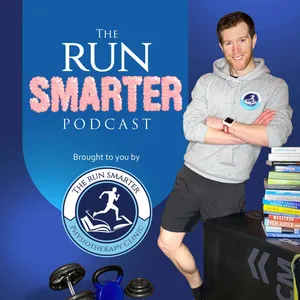
Expand your running游戏副本 knowledge, identify running misconceptions and become a faster, healthier, SMARTER runner. Let Brodie Sharpe become your new running guide as he teaches you powerful injury insights from his many years as a physiotherapist while also interviewing the best running gurus in the world. This is ideal for injured runners & runners looking for injury prevention and elevated performance. Starting at season 1, Brodie teaches you THE TOP PRINCIPLES TO OVERCOME ANY RUNNING INJURY and begins your run smarter journey.
The most recent episodes — sign up to get AI-powered summaries of each one.
Learn more about Brodie's Research Database & AI Assistant 📄🔍For MORE Run Smarter Resources 🏃♂️📚- Including Free Injury Prevention Courses 🩹🎓- The Run Smarter Book 📖- Access to Research Papers 📄🔍- & Ways to Work with Brodie 🤝👟👉 CLICK HERE! 🎉✨Luke is a Sports & Exercise Chiropractor who has a particular interest in the management, treatment and prevention of calf and achilles injuries. I interview Luke and explore the common causes for this injury and the most common mistakes runners make in their recovery plan.Luke also provides his checklist if calf strains are a regular occurrence in your training. We also go through your patron questions including:Is collagen supplementation effective for achilles tendinopathy?What is the best plyometric exercise to perform?Can pain behind the knee come from the calf?Be sure to follow luke on instagramFind Luke's website here
Learn more about Brodie's Research Database & AI Assistant 📄🔍For MORE Run Smarter Resources 🏃♂️📚- Including Free Injury Prevention Courses 🩹🎓- The Run Smarter Book 📖- Access to Research Papers 📄🔍- & Ways to Work with Brodie 🤝👟👉 CLICK HERE! 🎉✨Latest Research: Performance Gains, Shockwave Debate, Arch Support ScienceIn this month’s research roundup, Brodie breaks down three fascinating new papers covering running performance, Achilles rehab and plantar fasciitis management.First, a large systematic review investigates what actually predicts better running performance in non-elite runners — from 5K athletes through to ultramarathoners. The findings reveal how the demands of performance dramatically change depending on race distance, highlighting the importance of physiology, training consistency, psychology and fueling strategies.Next, Brodie unpacks a controversial new systematic review and meta-analysis on shockwave therapy for Achilles tendinopathy. Does shockwave actually improve outcomes, or has the treatment become overhyped within sports medicine? The findings may surprise clinicians and runners alike.Finally, a new plantar fasciitis paper explores whether arch supports genuinely help reduce pain and — more importantly — why. Using imaging, biomechanics and computational modeling, the researchers attempted to uncover the mechanical effects of orthotics and how they may redistribute stress through the foot.Papers discussed in this episode1. Performance predictors in recreational runnersA systematic review examining the factors associated with performance in non-elite runners across distances ranging from 5K to ultramarathons.Topics discussed: VO₂ max and running economy Strength training and plyometrics Weekly mileage and consistency Emotional intelligence and pacing Fueling strategies in ultramarathons Environmental impacts on performance 2. Shockwave therapy for Achilles tendinopathyA systematic review and meta-analysis investigating whether shockwave therapy improves outcomes for midportion and insertional Achilles tendinopathy.Topics discussed: Radial vs focused shockwave Placebo effects and sham treatment Exercise vs shockwave outcomes Why exercise-based rehab still remains the gold standard Whether shockwave is worth the cost 3. Arch supports and plantar fasciitisA prospective study exploring the effects of arch-support insoles on pain, foot alignment and heel stress distribution in plantar fasciitis patients.Topics discussed: Orthotics and pain reduction Foot alignment changes on imaging Heel pressure redistribution Finite element biomechanical modeling Why orthotics may help symptoms without restoring tissue capacity Key takeaways The predictors of running performance depend heavily on race distance. Strength training continues to show benefits for running economy and shorter-distance performance. Marathon success is strongly linked to consistency and uninterrupted training. Ultramarathons rely increasingly on pacing, fueling and race management rather than pure physiology. Current evidence for shockwave therapy in Achilles tendinopathy remains inconsistent and underwhelming. Exercise-based rehab continues to have the strongest evidence for tendon recovery. Arch supports may reduce plantar fascia stress and improve symptoms short-term, but should not replace progressive loading strategies.
Learn more about Brodie's Research Database & AI Assistant 📄🔍For MORE Run Smarter Resources 🏃♂️📚- Including Free Injury Prevention Courses 🩹🎓- The Run Smarter Book 📖- Access to Research Papers 📄🔍- & Ways to Work with Brodie 🤝👟👉 CLICK HERE! 🎉✨ The Missing Link in Rehab You’re Probably IgnoringPain isn’t always just about tissues, load, or biomechanics.In this episode, Brodie explores one of the most overlooked contributors to prolonged running injuries: the psychosocial side of pain. Drawing from both research and years of working with chronic injury cases, he introduces a 20-question “Pain & Wellness Score” designed to uncover the emotional, cognitive, and social factors that may be quietly influencing your recovery. You’ll learn why some runners continue to struggle despite doing all the “right” rehab exercises, how hypervigilance and fear can amplify symptoms, and why recovery should be approached through a biopsychosocial lens rather than purely mechanical thinking. Brodie also breaks down the science behind chronic pain, nervous system hypersensitivity, catastrophisation, fear of movement, and the powerful role attention plays in symptom intensity. Throughout the episode, Brodie walks listeners through the full questionnaire so they can assess themselves in real time. He explains how low scores may reveal missing pieces in recovery and shares practical interventions that can help calm the nervous system, reduce fear, and improve recovery outcomes. Topics include: Hypervigilance and constantly monitoring symptoms Fear of movement (kinesiophobia) Catastrophisation and emotional amplification of pain The role of social support in recovery How stress, trauma, anxiety, and perfectionist tendencies influence chronic pain Why distraction, enjoyable movement, and positive coping strategies can help The importance of resilience, optimism, and confidence in movement Why scans and conflicting diagnoses can sometimes worsen recovery outcomes Brodie also discusses research on chronic pain neuroplasticity and highlights therapies shown to help regulate the nervous system, including: Cognitive behavioural therapy (CBT) Mindfulness practices Guided meditations and breathing exercises Gradual exposure to feared movements Active coping strategies versus passive coping behaviours If you’ve been stuck in an injury cycle, feel emotionally exhausted by pain, or feel like your rehab is missing something despite doing the exercises correctly, this episode may provide an entirely new perspective on recovery.Resources & Links:Click here to learn about Brodie's Chronic Pain Reset Course
Learn more about Brodie's Research Database & AI Assistant 📄🔍For MORE Run Smarter Resources 🏃♂️📚- Including Free Injury Prevention Courses 🩹🎓- The Run Smarter Book 📖- Access to Research Papers 📄🔍- & Ways to Work with Brodie 🤝👟👉 CLICK HERE! 🎉✨ In this exclusive AMA release, Brodie answers three practical listener questions that many runners quietly struggle with. From deciding whether to see a physio or doctor for persistent knee pain, to knowing when it’s safe to introduce back-to-back running days during rehab, to understanding why your lower back tightens on longer runs… this episode is packed with evidence-based guidance and real-world rehab insights.If you’ve been stuck in an injury cycle, unsure whether your rehab is working, or second-guessing your training decisions, this episode will help you simplify the process and run smarter.In this episode, Brodie discusses: How to tell when persistent knee pain needs professional assessment The difference between seeing a physio vs a doctor for running injuries Why accurate diagnosis matters more than chasing random rehab exercises Practical advice for pes anserine tendinopathy and bursitis management The hamstring curl exercise Brodie personally used during his own rehab When it’s appropriate to reintroduce back-to-back running days Why symptom response matters more than arbitrary mileage milestones How to safely structure consecutive run days during Achilles rehab The role of “trial and error” in successful injury management Why recovery runs should stay genuinely easy Common reasons runners develop lower back tightness during long runs How cadence and impact forces may influence spinal muscle fatigue Why overthinking posture and “activating your core” can sometimes backfire The importance of running relaxed and naturally economical Lower back strengthening strategies that improve running durability Lumbar hyperextensions and how Brodie uses them himself Key Takeaways: Persistent injuries that worsen over time deserve professional assessment. Rehab should produce gradual week-to-week improvement, not months of frustration. Back-to-back running should start conservatively and be guided by symptom recovery. Easy recovery runs reduce the risk of overload accumulation. Many runners unknowingly create unnecessary tension through posture overcorrection. Strong postural muscles help reduce compensatory tightness during longer runs. Running relaxed is often more efficient than trying to “hold perfect form.”
Learn more about Brodie's Research Database & AI Assistant 📄🔍For MORE Run Smarter Resources 🏃♂️📚- Including Free Injury Prevention Courses 🩹🎓- The Run Smarter Book 📖- Access to Research Papers 📄🔍- & Ways to Work with Brodie 🤝👟👉 CLICK HERE! 🎉✨ Coach Claire Bartholic wasn’t always a runner. She started running in her mid-30s simply to get in shape for her high school reunion. She caught the running bug and finished her first marathon at age 38 in a respectable 4:02 and was immediately hooked. With dedicated coaching and training, she successfully lowered her marathon PR to 2:58, remarkably without injury, and entirely plant-based. Today, we talk about all things masters running, including the common mistakes and misconceptions Claire often sees working with masters athletes. We also answer all your patron questions, including ways to best prepare in your younger years, how to adjust your goals, how to increase mileage safely and how to recover from long runs.Follow The Run to the Top podcast by RunnersConnectHead to Claire's website to receive your free download about the ultimate fuel plan for runners Follow @theplantedrunner on insta
Learn more about Brodie's Research Database & AI Assistant 📄🔍For MORE Run Smarter Resources 🏃♂️📚- Including Free Injury Prevention Courses 🩹🎓- The Run Smarter Book 📖- Access to Research Papers 📄🔍- & Ways to Work with Brodie 🤝👟👉 CLICK HERE! 🎉✨In this episode, Brodie breaks down a brand-new 2026 systematic review investigating whether collagen supplementation truly improves tendon health, recovery, and performance. With conflicting advice from experts and unclear evidence in the past, this paper helps clarify what actually works—and more importantly, how to apply it to your training.Paper: Collagen Supplementation on Tendon-Related Structural and Performance Outcomes: A Systematic Review Key Takeaways Collagen can improve tendon structure and stiffness—but only when combined with proper strength training Dosage matters: 15–30g appears more effective than lower doses Timing matters: ~60 minutes before training aligns with peak amino acid availability Vitamin C enhances the process, helping collagen synthesis and cross-linking Collagen does NOT improve muscle strength beyond what training alone achievesBottom line: collagen seems tendon-specific, not a general performance enhancerTraining Requirements Must include structured resistance training Target 70–90% of 1RM (heavy loading) Tendons need a strong mechanical stimulus to adaptCollagen without loading = minimal benefitFinal ThoughtsThis paper helps move us from confusion to clarity.Collagen isn’t a magic fix—but when used strategically alongside heavy strength training, it may: Improve tendon structure Increase stiffness Enhance long-term resilience In other words, it’s a potential amplifier—not a replacement—for good rehab and training principles.
Learn more about Brodie's Research Database & AI Assistant 📄🔍For MORE Run Smarter Resources 🏃♂️📚- Including Free Injury Prevention Courses 🩹🎓- The Run Smarter Book 📖- Access to Research Papers 📄🔍- & Ways to Work with Brodie 🤝👟👉 CLICK HERE! 🎉✨Stem cells are one of the most talked-about frontiers in medicine—but how much of it actually applies to runners dealing with tendon pain?In this episode, I’m joined by orthopaedic surgeon and researcher Chukwuweike Gwam to break down the latest evidence on stem cells and tendon healing. We unpack what stem cells actually are, how they work in the body, and whether they live up to the hype when it comes to treating tendinopathy.We also explore the real-world limitations, risks, and costs—alongside what the future might hold for regenerative medicine in running injuries.If you’ve ever considered injections, biologics, or wondered if stem cells are “the next big thing”… this episode will bring you up to speed.About Chukwuweike Gwam MD: Orthopaedic surgeon (USA) specialising in hip & knee reconstruction MD (Howard University), PhD in Molecular Medicine (Wake Forest), MBA Research focus: regenerative medicine, stem cells, and translational science Passion for improving healthcare access and bringing lab discoveries into real-world treatment Follow him on Instagram:https://www.instagram.com/chukwuweike_g/Key Topics & InsightsWhat Are Stem Cells (In Simple Terms)? Think of stem cells as the body’s “repair reserve” They help regenerate tissue by: Creating new cells Regulating inflammation We all have them—but: Quantity decreases with ageQuality declines significantlyWhy Do We Heal Slower As We Age?It’s not just one factor—it’s a combination: Reduced stem cell quality and number Slower blood vessel formation Reduced cellular signalling Increased “senescent” (non-functioning) cells In other words: your repair system is still there… just less efficient.Stem Cells & Tendon Healing — The TheoryThe idea is simple: Harvest stem cells (fat, bone marrow, etc.) Process them Inject them into the injured tendon The goal: Improve collagen structure Enhance healing response Accelerate recovery But here’s the key point…👉 They are NOT a magic bullet—they’re an adjunct.What the Research Actually ShowsFrom their literature review (2015–2025): ~1,800 papers screened ~150 relevant studies included Findings: Improved collagen alignment (under a microscope) Increased tensile strength (in animal models) No consistent improvement in long-term human outcomes 👉 Especially beyond 6–12 months, results tend to equalise.The Most Interesting FindingIn rotator cuff studies: Stem cells improved early recovery (first ~6 months) But no long-term difference compared to standard treatment Why? Stem cells likely help regulate early inflammation The body eventually “catches up” on its own Why Results Are So InconsistentThis is the biggest limitation:No standardisation. Different sources (fat, bone marrow, skin) Different processing methods Different patient health profiles 👉 Your stem cells ≠ someone else’s stem cellsRisks & Limitations Potential for tumour formation (teratomas) with certain stem cell types High variability in outcomes Mostly animal-based evidence Difficult to control how cells behave once injected Cost vs Benefit (Reality Check) Stem cell injections: ~$3,000–$5,000+ Cortisone: ~$200 Rehab: far cheaper, highly effective In most cases: You’re paying a premium for uncertain benefit.What About PRP? Some benefit for: Tennis elbow Chronic tendinopathy But: Highly variable Not clearly superior to rehab Again, works best alongside loading—not instead of it.Practical Takeaways (For Runners) Stem cells are promising—but not ready for prime t
Learn more about Brodie's Research Database & AI Assistant 📄🔍For MORE Run Smarter Resources 🏃♂️📚- Including Free Injury Prevention Courses 🩹🎓- The Run Smarter Book 📖- Access to Research Papers 📄🔍- & Ways to Work with Brodie 🤝👟👉 CLICK HERE! 🎉✨On today’s Q&A episode, Brodie tackles a wide range of listener-submitted questions—covering everything from preparing for mountain races without hills, structuring marathon training in your 50s, and the science of hydration, to managing lateral knee pain, deload weeks, and cardiac drift in ultra events.The common thread is learning how to train smarter by understanding why your body responds the way it does—and how to adjust accordingly.Key Questions & InsightsTraining for Mountain Events (While Living on the Flats) Prioritise VO₂ max development (e.g. Norwegian 4x4 or 30:30 intervals) Build strength and power: Walking lunges, split squats, calf raises Prepare for downhill demands with eccentric quad training (e.g. reverse Nordics) Use incline treadmills and stairs to simulate terrain Key principle: bridge the gap between your environment and race demands Marathon Training at 57 (Sub 3:30 Goal) Current structure (4 runs + 2 strength days) is solid Ensure 80/20 intensity balance (most running easy) Strength training should include: Squats, deadlifts, lunges, calf raises Focus on heavier loads (6–8 reps) for performance gains Don’t overlook: Recovery (sleep, nutrition) Deload weeks every 4–5 weeks Hydration & Recovery (The Science)Hydration plays a critical role in recovery through: Nutrient delivery (oxygen, glucose, amino acids via blood plasma) Muscle repair signaling: Hydrated cells promote protein synthesis Dehydrated cells increase protein breakdown Glycogen replenishment efficiency Practical takeaway: Measure sweat rate (pre/post run weighing) Replace both fluids and electrolytes, especially in long or hot runs Lateral Knee Pain in RunnersPotential causes discussed: ITB friction syndrome (load/repetition-based irritation) Patellofemoral pain Other joint-related issues (requires proper diagnosis) Key management strategies: Stay below pain threshold (0–1/10) Use run-walk strategies to manage load Address contributing factors: Cadence Step width Downhill running exposure Strength helps, but load management is the priority How to Structure a Deload WeekPurpose: allow accumulated fatigue to recover and adaptations to occurOptions for strength training deload: Reduce frequency Reduce load (~30%) Reduce range of motion Or a combination Key goal: Start the next training block feeling fresh, strong, and ready to progressCardiac Drift in Long Runs & UltrasWhat it is: Gradual rise in heart rate despite constant effort Main contributors: Dehydration Heat stress Glycogen depletion Neuromuscular fatigue Strategies to delay drift: Start conservatively (70–75% HR max) Prioritise hydration and electrolytes Maintain carbohydrate intake (60–90g/hr) Manage heat (cooling strategies, pacing adjustments) Key Takeaways Train the physiology required, even if you can’t replicate the exact environment Recovery (hydration, sleep, nutrition) is just as important as training Pain management = load management first, not just strengthening Deload weeks are essential for long-term progression Cardiac drift is inevitable, but you can delay and manage it
Free AI-powered daily recaps. Key takeaways, quotes, and mentions — in a 5-minute read.
Get Free Summaries →Free forever for up to 3 podcasts. No credit card required.
Listeners also like.

The Running Public
Two endurance coaches discuss running techniques, training, and practical insights for runners of all levels.

Some Work, All Play
Discussions on running, training, races, science, and pop culture with insights from a doctor and coach.

Everyday Ultra
Training tips and insights for endurance athletes from top runners and an experienced ultra-endurance competitor.

The Average Runner
A podcast for runners of all levels that shares training tips, gear reviews, and inspiring stories from everyday athletes.

TRAINED
Discusses fitness and wellness through interviews with athletes, scientists, and health experts on mindset, nutrition, movement, recovery, and sleep.

Early Miles with Steve Gonser
Conversations on discipline, health, and personal growth through the lens of running and physical therapy.

Run Your Story Podcast
Runners and walkers share their personal stories, memories, and advice about the sport.

The Drop
A running podcast that blends race talk with pop culture, local Baltimore stories, and interviews with athletes, musicians, and coaches.

Getting Chicked
Three former college runners share their passion for running through candid conversations and personal stories.

Hemming and Hawing
A husband-and-wife duo share candid stories about trail running, mountain life, and the unpredictable realities of professional racing.

Perform with Dr. Andy Galpin
A scientist breaks down performance optimization using measurement, analysis, and practical interventions for athletes and beginners alike.

Run The Riot Podcast
A podcast exploring the mindset, methods, and achievements of ultrarunners and endurance athletes.
Expand your running游戏副本 knowledge, identify running misconceptions and become a faster, healthier, SMARTER runner. Let Brodie Sharpe become your new running guide as he teaches you powerful injury insights from his many years as a physiotherapist while also interviewing the best running gurus in the world. This is ideal for injured runners & runners looking for injury prevention and elevated performance. Starting at season 1, Brodie teaches you THE TOP PRINCIPLES TO OVERCOME ANY RUNNING INJURY and begins your run smarter journey.
AI-powered recaps with compact key takeaways, quotes, and insights.
Get key takeaways from The Run Smarter Podcast in a 5-minute read.
Stay current on your favorite podcasts without falling behind.
It's a free AI-powered email that summarizes new episodes of The Run Smarter Podcast as soon as they're published. You get the key takeaways, notable quotes, and links & mentions — all in a quick read.
When a new episode drops, our AI transcribes and analyzes it, then generates a personalized summary tailored to your interests and profession. It's delivered to your inbox every morning.
No. Podzilla is an independent service that summarizes publicly available podcast content. We're not affiliated with or endorsed by Brodie Sharpe.
Absolutely! The free plan covers up to 3 podcasts. Upgrade to Pro for 15, or Premium for 50. Browse our full catalog at /podcasts.
The Run Smarter Podcast publishes weekly. Our AI generates a summary within hours of each new episode.
The Run Smarter Podcast covers topics including Sports, Fitness, Running, Health & Fitness. Our AI identifies the specific themes in each episode and highlights what matters most to you.
Free forever for up to 3 podcasts. No credit card required.