Free Daily Podcast Summary
You Only Know What You Know: Daily Summaries Delivered
by Compass Health Center
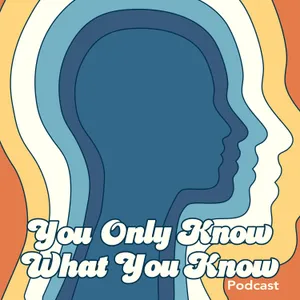
You Only Know What You Know is a parenting and mental health podcast for caregivers navigating the messy, meaningful realities of raising kids and teens. Hosted by Beth Hope, LCSW, and Britt Teasdale, the show blends clinical expertise with lived experience to explore topics like child and teen anxiety, OCD, digital overwhelm, and family stress—without panic, perfectionism, or shame. Produced by Compass Health Center.
Latest Episodes
The most recent episodes — sign up to get AI-powered summaries of each one.
- Yesterday56 min
Ep 14 | Teen Substance Use and the Family
Adolescence has always been a time of testing limits, trying new things, and figuring out who you are. But when substances enter the picture, a parent’s mind can jump straight to the worst-case scenario. The truth is that trying a substance doesn’t automatically mean a child has a substance use disorder, and what’s really going on can be harder to see than it seems. In this episode of You Only Know What You Know, hosts Beth Hope, LCSW, and Britt Teasdale talk with Kaitlin Thompson, LCSW, CADC, Director, Compass Health Center’s Center of Excellence, about how substance use and mental health intersect, which warning signs parents should watch for, and how to start these conversations without making a child feel like they’re in trouble. Download the Parent Resource Guide Here
- 1 weeks ago1h 23m
Addiction, Recovery & Family: Tom Farley on Healing, Honesty, and Parenting
Kids and teens usually sense that something is off in a family long before anyone talks about it, especially when addiction is part of the story. In this episode of You Only Know What You Know, hosts Beth Hope, LCSW, and Britt Teasdale talk with Tom Farley, community outreach director at recovery.com. Tom has spent years sharing his family’s story, including the loss of his brother, actor and comedian Chris Farley. He has also been open about his own experience with alcohol, recovery, and grief. Tom talks about growing up in a family where humor covered pain, how roles and secrecy keep families stuck, and what recovery taught him about honesty and being a father. He also explains the difference between sobriety and recovery. The conversation covers how parents can talk to kids about addiction, how to support a loved one without losing the relationship, and why connection matters so much in healing. Read more of Tom’s story: Tom Farley: A Legacy of Laughter and Healing
- 2 weeks ago1h 9m
Ep 13 | Growing Up in Public: What the Online World Means for Kids and Teens
Growing up has always meant trying things on, changing your mind, and sometimes cringing at the memory. The difference now is that so much of that process happens in public, where a post can be shared, screenshotted, commented on, and saved. In this episode of You Only Know What You Know, hosts Beth Hope, LCSW, and Britt Teasdale talk with Katrina Shannon, LMFT, Director of the Center of Excellence at Compass Health Center, about how growing up online affects identity development, boundaries, and emotional safety. They explore how parents can talk with kids about posting, privacy, consent, harmful content, and AI, and when to start these conversations. Download the Parent Resource Guide Here
- 4 weeks ago1h 13m
Ep 12 | When Your Child Needs Treatment: Navigating School Along the Way
When a child or teen is struggling with their mental health, school is wrapped up in nearly every decision. In this episode of You Only Know What You Know, hosts Beth Hope, LCSW, and Britt Teasdale are joined by Sarah Pritz Shields, M.ED., Senior Director of Strategic Partnerships at Compass Health Center, and Dr. Toni Boos, PsyD, licensed clinical psychologist and Director of Child Programs at Compass Health Center – Northbrook. Together, they talk about how families, schools, and mental health providers can work as a team before, during, and after treatment. Sarah and Toni offer expert advice on when to loop in your child’s school and how much to share, what 504 plans and IEPs mean, how schoolwork works in a PHP or IOP, and what a school re-entry meeting looks like. They also discuss how to handle tricky social questions when a child returns, and what to say to parents who worry about taking their child out of school for treatment. Download the Parent Resource Guide Here
- Oct 7, 20261h 2m
Ep 11 | Who Am I Becoming?: Identity, Self-Concept, and Mental Health in Childhood & Adolescence
Kids and teens are figuring out who they are while juggling friendships, school, social media, and family expectations. In this episode, hosts Beth Hope, LCSW, and Britt Teasdale are joined by John Casey, LCSW, Senior Primary Adolescent Therapist at Compass Health Center – Chicago, to talk about how identity and self-concept develop from childhood through adolescence, and how parents can support that process without having all the answers. They cover the difference between identity and self-concept, how labels help or hurt a child’s confidence, social media’s role in connection and comparison, and how to stay supportive when a child’s identity doesn’t match what a parent expected. John also shares what to do when caregivers don’t agree, and what he wishes more parents understood about a process that’s rarely linear. Download the Parent Resource Here
- Sep 23, 20261h 2m
Ep 10 | How to Talk About Suicide with Children & Teens
Suicide can be one of the hardest topics for families to talk about, but avoiding it doesn't make anyone safer. That's the idea behind the newest episode of You Only Know What You Know, where hosts Beth Hope, LCSW, and Britt Teasdale continue their two-part conversation on suicide, prevention, and loss. In Part One, Britt opened up about losing her sister to suicide and the grief that followed. This episode widens the lens: they're joined by Tina Maltese Gio, LCSW, Senior Director of Child and Adolescent Programs at Compass Health Center, Northbrook, for a broader conversation on what suicide prevention looks like for children, teens, and families. In this episode, they cover: How to recognize when a child or teen may be struggling How to have a direct, caring conversation about suicide How families can support one another through crisis and recovery How to support a loved one grieving a suicide loss If you or someone you know is experiencing suicidal thoughts, emotional distress, or a mental health or substance use crisis, call or text 988 to reach the Suicide & Crisis Lifeline. If there is an immediate danger or medical emergency, call 911 or go to the nearest emergency department. Parent Resource Guide: https://hubs.ly/Q04xgXqC0
- Sep 9, 202640 min
Ep 9 | Surviving Suicide Loss–Britt’s Story
Suicide loss brings a grief that is rarely spoken about openly. It changes families, relationships, and the way we interact with the world. This June marked ten years since host Britt Teasdale's eldest sister, Kat, died by suicide. In this episode, Britt shares a personal reflection on that loss, and sits down with co-host Beth Hope, LCSW, to talk about grief, memory, and what it means to hold space for someone's whole life, not just the way it ended. In this episode, they discuss:What it's like to carry grief from suicide loss, and how that grief can shift over timeWhat helped and what didn't help Britt cope after her sister's deathHow families can talk with children about suicide lossWays to honor and remember someone whose life was so much more than how they diedThis episode includes conversations about suicide, suicidal thoughts, and suicide loss. Please take care of yourself as you listen, and feel free to pause or step away if you need to. If you or someone you know is struggling, call or text the 988 Suicide & Crisis Lifeline, available 24/7.
- Aug 12, 20261h 13m
Ep 8 | Understanding Psychiatric Medication: What Parents Should Know
For many parents, one of the most difficult questions in their child's mental health journey is whether medication should be part of the treatment plan. It's a decision that often brings up important questions: Is medication truly necessary? Will my child need it for a long time? Will it change who they are? In this episode of You Only Know What You Know, hosts Beth Hope, LCSW, and Britt Teasdale are joined by Dr. Alex Timchak, Child, Adolescent, and Adult Psychiatrist, and Regional Medical Director, to discuss how medication decisions are made, when psychiatric care may be appropriate, and how medication can work alongside therapy and other mental health supports. They also explore common concerns about side effects, dependency, and long-term use, while explaining how progress is monitored throughout treatment. If you've been wondering how medication fits into your child's treatment, this episode offers an honest look at how psychiatrists approach these decisions and what families can expect along the way. Download the Parent Guide Here
Get You Only Know What You Know summaries in your inbox
Free AI-powered daily recaps. Key takeaways, quotes, and mentions — in a 5-minute read.
Get Free Summaries →Free forever for up to 3 podcasts. No credit card required.
You Might Also Like
Listeners also like.
Good Inside with Dr. Becky
A clinical psychologist provides practical guidance for handling common parenting challenges and improving parent-child relationships.

Don't Mom Alone Podcast
A mom of four boys hosts conversations to help parents feel less isolated through shared experiences and supportive resources.

Ask Lisa: Untangling Family Life
Psychologist Lisa Damour answers parents' questions about raising tweens and teens with evidence-based advice on mental health, behavior, and family dynamics.

After Bedtime with Big Little Feelings
Honest conversations about modern parenting challenges with practical advice and emotional support from experienced guides.
Normalize It Forward
Discusses mental health during college, focusing on reducing stigma and supporting young adults, parents, and therapists.

What Fresh Hell: Parenting, Relationships, and Making Life Better, with Two Funny Moms
Two moms discuss parenting challenges, child development, and self-care with humor and practical advice.

Thrive Through and Beyond Cancer
Season Johnson

Know Thyself
Examines self-awareness, consciousness, and personal growth through interviews with experts in spirituality, science, and creativity.

For The Hayters: The Stories We Survive
Real personal stories of struggle and resilience shared to foster connection, healing, and the reminder that no one is alone.

Parenting is a Joke
Comedians share candid stories about parenting and childhood, exploring the chaos and humor of raising kids while questioning if they’re truly fine.

Raising Good Humans
A developmental psychologist discusses evidence-based parenting approaches with experts and parents to support raising resilient, empathetic children.

The 1000 Hours Outside Podcast
A podcast exploring how spending time outdoors helps children and adults thrive by choosing real-world experiences over screen-based ones.
About You Only Know What You Know
You Only Know What You Know is a parenting and mental health podcast for caregivers navigating the messy, meaningful realities of raising kids and teens. Hosted by Beth Hope, LCSW, and Britt Teasdale, the show blends clinical expertise with lived experience to explore topics like child and teen anxiety, OCD, digital overwhelm, and family stress—without panic, perfectionism, or shame. Produced by Compass Health Center.
Customized Recaps
AI-powered recaps with compact key takeaways, quotes, and insights.
Straight to Your Inbox
Get key takeaways from You Only Know What You Know in a 5-minute read.
Save Hours Every Week
Stay current on your favorite podcasts without falling behind.
Frequently Asked Questions
What is Podzilla's You Only Know What You Know daily summary?
It's a free AI-powered email that summarizes new episodes of You Only Know What You Know as soon as they're published. You get the key takeaways, notable quotes, and links & mentions — all in a quick read.
How does the You Only Know What You Know podcast summary work?
When a new episode drops, our AI transcribes and analyzes it, then generates a personalized summary tailored to your interests and profession. It's delivered to your inbox every morning.
Is this an official You Only Know What You Know product?
No. Podzilla is an independent service that summarizes publicly available podcast content. We're not affiliated with or endorsed by Compass Health Center.
Can I get summaries of other podcasts too?
Absolutely! The free plan covers up to 3 podcasts, any in the catalog. Basic raises that to 15, Pro to 40 and Max to 100. Browse our full catalog at /podcasts.
How often does You Only Know What You Know release new episodes?
You Only Know What You Know publishes monthly. Our AI generates a summary within hours of each new episode.
What topics does You Only Know What You Know cover?
You Only Know What You Know covers topics including Fitness, Parenting, Health & Fitness, Kids & Family, Family, Mental Health. Our AI identifies the specific themes in each episode and highlights what matters most to you.
Start getting You Only Know What You Know summaries tomorrow morning.
Free forever for up to 3 podcasts. No credit card required.
Free forever for up to 3 podcasts. No credit card required.