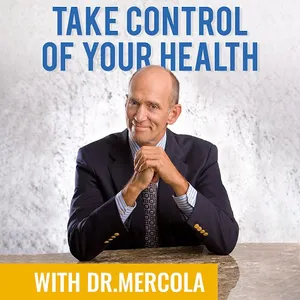
Free Daily Podcast Summary
Dr. Joseph Mercola - Take Control of Your Health: Daily Summaries Delivered
by Dr. Mercola
Listen to Dr. Mercola's Weekly Podcast, as the legendary natural health pioneer continues to lead you on your journey towards optimal health.
Latest Episodes
The most recent episodes — sign up to get AI-powered summaries of each one.
- 3 days ago6 min
The Role of Vitamin K in Tooth Decay
Vitamin K2 helps direct calcium into your teeth and jawbone, supporting stronger enamel and the tissues that keep your teeth firmly in place instead of relying on calcium intake alone People with the lowest vitamin K2 blood levels had the most advanced periodontal disease, including greater gum bleeding, deeper pockets around the teeth, more bone loss and faster disease progression Healthy teeth depend on more than brushing and flossing because they constantly lose and replace minerals, making your daily food choices an important part of maintaining your smile Natto, aged cheeses such as Gouda, pastured egg yolks and grass fed organ meats are among the richest natural sources of vitamin K2, yet these foods are uncommon in many modern diets Pairing vitamin K2 with vitamin D3 helps your body absorb calcium and direct it into your teeth and bones, supporting long-term oral health from the inside out
- 4 days ago5 min
Why Simpler Supplement Routines Make More Sense
Every so often, someone takes an industry that had become cold and complicated puts the humanity back into it. The way we take supplements is overdue for exactly that For decades, supplements were one of the least human corners of health, requiring people to take fistfuls of pills and capsules and maintaining a dosing schedule that was easily forgotten on a busy day This article series has presented one idea from several angles: removing the burden that makes people quit, retiring the pill pile, abandoning the mega-dose game, and meeting the inevitable backsliding with forgiveness instead of shame Underneath all of it is a single conviction: optimal health depends first and foremost on real food, and supplements designed to add nutrition to the meals you're already eating is one of the most effective ways to improve adherence long term The simpler and more natural a health routine is, the more likely you are to keep doing it. Complexity is one of the most common routine breakers
- 5 days ago7 min
Vestibular Migraine — The Migraine Many Doctors Miss
Vestibular migraine often causes dizziness, imbalance and motion sensitivity without a severe headache, so many people spend months or even years treating the wrong condition before receiving the correct diagnosis Looking at all of your symptoms together instead of treating each one separately makes it much easier to recognize vestibular migraine and begin a treatment plan that targets the underlying neurological problem Keeping a detailed symptom journal helps uncover your personal trigger pattern, allowing you to identify factors such as poor sleep, stress, skipped meals, weather changes or certain foods before they lead to another attack Symptoms such as brain fog, light and sound sensitivity, blurred vision, motion sickness and feeling worse in busy visual environments provide important clues that your dizziness may be part of vestibular migraine rather than an inner ear disorder Long-term symptom management may benefit from reducing the triggers that repeatedly overload your nervous system while supporting healthy cellular energy production, rather than simply trying to stop dizziness after an attack begins
- 6 days ago6 min
Why Strokes Are More Common in the Morning
Research consistently finds that strokes cluster in the morning, roughly between 6 a.m. and noon, rather than spreading evenly across the 24-hour day A meta-analysis of 11,816 strokes and a systematic review of 58 studies both linked this window to higher stroke onset across ischemic, hemorrhagic, and transient ischemic attacks Scientists attribute the pattern largely to normal circadian shifts, including the blood pressure surge on waking and morning changes that make the blood more prone to clotting Strokes that begin overnight are often recognized late and have been associated with greater severity, which makes knowing the sudden warning signs especially useful Experts describe stroke as largely preventable, and everyday habits around movement, sleep, stress, drinks, alcohol, and tobacco are linked to a lower risk
- 1 weeks ago6 min
Muscle Health Plays Crucial Role in Diabetes Risk, Study Finds
Having both excess body fat and low muscle mass and strength increased the risk of developing Type 2 diabetes by more than 3.5 times, showing that muscle health is just as important as body weight for protecting your metabolism Your diabetes risk changes as your body composition changes, meaning that building and preserving muscle while reducing excess body fat helps shift your long-term metabolic health in the right direction Women and adults younger than 60 experienced a greater increase in diabetes risk from poor muscle health than other groups, highlighting the importance of protecting muscle long before older age Two people can weigh the same but have very different diabetes risk because muscle and body fat influence how efficiently your body regulates blood sugar Building muscle doesn't require marathon workouts — regular strength training a few times each week, along with enough protein and healthy carbohydrates, helps preserve the muscle tissue that supports healthy blood sugar control
- 1 weeks ago6 min
Why the Best Supplement Routine Starts with Your Real Life
A nutritional supplement regimen is only helpful when it fits the way you actually live Health communication research suggests narrative messages can influence health intentions when people identify with the story being told. Identification matters because it turns a health message from something abstract into something you can recognize in your own day A practical supplement routine reduces friction that can otherwise derail the best of intentions. For example, a scoop of nutritional powder added to food you already eat makes adherence as easy as adding spice to your meal, and makes restarting after a missed day or week easy The formula still matters: nutrient form, dose, absorption and delivery all have to make sense. But even a well-designed supplement can do nothing for you if you don't take it because the routine feels too cumbersome for the life you lead Consistency requires a routine simple enough to return to after life interrupts your plan
- 1 weeks ago7 min
Study Links Chronic Xanthan Gum Consumption to Colon Inflammation
Long-term xanthan gum consumption triggered measurable inflammation in the colon of otherwise healthy rats, even though their weight, blood sugar and cholesterol remained normal, suggesting digestive changes can develop before routine health markers reveal a problem Researchers found that xanthan gum altered proteins that help maintain the gut's protective barrier, making the intestinal lining more permeable and allowing inflammation to become established The study also found subtle shifts in specific groups of gut bacteria that occurred alongside inflammation, indicating that repeated xanthan gum exposure affected both the gut microbiome and the intestinal environment Xanthan gum is widely used in processed foods, including gluten-free products, salad dressings, sauces, protein powders, frozen meals, and many packaged snacks, making it easy to consume multiple times a day without realizing it Reading ingredient labels, choosing fresh whole foods over heavily processed products and preparing more meals at home are practical ways to reduce your xanthan gum exposure and support a healthier digestive tract
- 1 weeks ago6 min
Not All Weight Reduction on GLP-1 Meds Is Healthy, Cardiologist Warns
GLP-1 medications lower body weight, but rapid weight loss often includes muscle loss, which reduces strength, slows your metabolism and makes it easier to regain weight after stopping the medication Simply eating less doesn't guarantee better health. Preserving muscle through adequate protein intake and regular resistance exercise is essential if you want to improve your long-term metabolic health instead of just lowering the number on the scale National Poison Center data show reports involving GLP-1 medications rose sharply after semaglutide received FDA approval for chronic weight management, with many cases involving accidental dosing mistakes and a growing number requiring medical evaluation Rather than relying on medications that imitate GLP-1, restoring a healthy gut microbiome supports your body's own appetite-regulating system by increasing butyrate production and strengthening the metabolic signals that help regulate hunger and blood sugar The best measure of success isn't how much weight you lose but how well your body functions. Improvements in strength, energy, mobility, and daily performance show that you're building a healthier metabolism instead of simply becoming lighter
Get Dr. Joseph Mercola - Take Control of Your Health summaries in your inbox
Free AI-powered daily recaps. Key takeaways, quotes, and mentions — in a 5-minute read.
Get Free Summaries →Free forever for up to 3 podcasts. No credit card required.
You Might Also Like
Listeners also like.

Paul Saladino MD podcast
A physician explores the root causes of chronic disease and optimal health through science and personal experimentation.

Dr. Jockers Functional Nutrition
Science-based strategies for reducing inflammation, improving brain and gut health, burning fat, and supporting wellness through functional nutrition.

The Dr. Hyman Show
Explores root causes of chronic disease and promotes functional medicine, nutrition, and preventive health through expert discussions.

The Dr. Josh Axe Show
Explores natural health, nutrition, emotional resilience, and personal growth through expert insights and practical strategies.

Red Pill Your Healthcast
Two healthcare providers discuss overlooked health issues and empower listeners to make informed decisions for their families.

The Art of Being Well
Explores holistic wellness through functional medicine, focusing on body, mind, spirit, and relationships as acts of self-respect.
Peak Performance Life Podcast
Covers health, energy, and mental performance optimization through biohacking, nutrition, and lifestyle strategies.

The Exam Room by the Physicians Committee
Experts reveal how plant-based diets and nutrition science can prevent disease and extend lifespan.
Mastering Nutrition
A nutrition scientist discusses mitochondrial health and personalized metabolism using genetics, biochemistry, and research.

The Genius Life
A health and science journalist explores cutting-edge research and practical strategies for optimizing brain function and overall wellness.

Feel Better, Live More with Dr Rangan Chatterjee
A doctor-hosted podcast offering practical health advice on eating, sleeping, moving, and relaxing from medical experts and real-life stories.

Rooted in Wellness with Mona Sharma
A holistic nutritionist blends ancient wellness practices with modern science to address mind, body, and soul health.
About Dr. Joseph Mercola - Take Control of Your Health
Listen to Dr. Mercola's Weekly Podcast, as the legendary natural health pioneer continues to lead you on your journey towards optimal health.
Customized Recaps
AI-powered recaps with compact key takeaways, quotes, and insights.
Straight to Your Inbox
Get key takeaways from Dr. Joseph Mercola - Take Control of Your Health in a 5-minute read.
Save Hours Every Week
Stay current on your favorite podcasts without falling behind.
Frequently Asked Questions
What is Podzilla's Dr. Joseph Mercola - Take Control of Your Health daily summary?
It's a free AI-powered email that summarizes new episodes of Dr. Joseph Mercola - Take Control of Your Health as soon as they're published. You get the key takeaways, notable quotes, and links & mentions — all in a quick read.
How does the Dr. Joseph Mercola - Take Control of Your Health podcast summary work?
When a new episode drops, our AI transcribes and analyzes it, then generates a personalized summary tailored to your interests and profession. It's delivered to your inbox every morning.
Is this an official Dr. Joseph Mercola - Take Control of Your Health product?
No. Podzilla is an independent service that summarizes publicly available podcast content. We're not affiliated with or endorsed by Dr. Mercola.
Can I get summaries of other podcasts too?
Absolutely! The free plan covers up to 3 podcasts. Upgrade to Pro for 15, or Premium for 50. Browse our full catalog at /podcasts.
How often does Dr. Joseph Mercola - Take Control of Your Health release new episodes?
Dr. Joseph Mercola - Take Control of Your Health publishes daily. Our AI generates a summary within hours of each new episode.
What topics does Dr. Joseph Mercola - Take Control of Your Health cover?
Dr. Joseph Mercola - Take Control of Your Health covers topics including Fitness, Health & Fitness, Alternative. Our AI identifies the specific themes in each episode and highlights what matters most to you.
Start getting Dr. Joseph Mercola - Take Control of Your Health summaries tomorrow morning.
Free forever for up to 3 podcasts. No credit card required.
Free forever for up to 3 podcasts. No credit card required.