Free Daily Podcast Summary
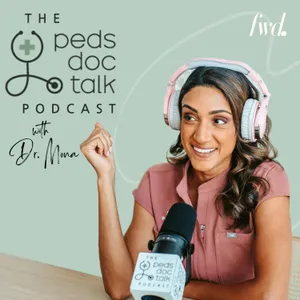
The PedsDocTalk Podcast: Child Health, Development & Parenting—From a Pediatrician Mom: Daily Summaries Delivered
by Dr. Mona Amin
The PedsDocTalk Podcast is your go-to parenting resource, hosted by Dr. Mona Amin, a trusted pediatrician, parenting expert, and mom of two. This show delivers expert-backed guidance on child development, health, illness, behavior, feeding, and sleep—giving parents the confidence to navigate every stage from baby to teen. Each episode dives into real-life parenting challenges, featuring conversations with specialists in pediatrics, child psychology, nutrition, and parental well-being. From potty training and sleep training to tackling tantrums, picky eating, discipline, screen time, postpartum recovery, and developmental milestones, Dr. Mona provides practical, science-backed advice that actually works.
Latest Episodes
The most recent episodes — sign up to get AI-powered summaries of each one.
- 4 days ago54 min
How the Healthcare System can fuel the Crunchy Mom Movement: Distrust, Trauma, and the Future of Maternal and Pediatric Care
Today I sat down to talk about something I think about a lot…the crunchy mom movement. Why are so many families walking away from traditional healthcare unheard? Caitlyn Shollmeier, a certified nurse midwife and founder of Lila Maternity, joins me to dig into why this is not really about essential oils or cloth diapers. When women do not feel like a person in the room any more they lose trust and feel like just another number on a chart. Caitlyn shared her own birth story with twins that stuck with me. She felt dismissed by almost her entire care team, except for one nurse who took the time to listen. That relationship changed her birth story. It is a good reminder that as clinicians, the small stuff, like explaining what is happening and why, is never actually small. We discuss: Why the crunchy mom movement is growing and what is usually underneath it How shame and lack of time in modern health care push families toward alternative spaces The difference between correcting misinformation and actually building trust Why compassion works better than fact checking when someone feels dismissed How to spot red flags in online parenting communities Caitlyn’s own birth story and that one nurse who changed everything What real informed consent should sound like in a room To connect with Caitlyn Schollmeier follow her on TikTok @themodernmidwife and check out her laborwear line: https://www.wearlila.com Our podcasts are also now on YouTube. If you prefer a video podcast with closed captioning, check us out there and subscribe to PedsDocTalk. Get trusted pediatric advice, relatable parenting insights, and evidence-based tips delivered straight to your inbox—join thousands of parents who rely on the PDT newsletter to stay informed, supported, and confident. Join the newsletter! Shop Dr. Mona’s favorite products: https://shopmy.us/shop/pedsdoctalk (paid link) And don’t forget to follow @pedsdoctalkpodcast on Instagram—our new space just for parents looking for real talk and real support. We love the sponsors that make this show possible! You can always find all the special deals and codes for all our current sponsors on the PedsDocTalk Podcast Sponsorships page of the website. Learn more about your ad choices. Visit podcastchoices.com/adchoices
- 6 days ago13 min
The Follow-Up: Sleep Cultural Barriers
In this Follow-Up episode, Dr. Mona revisits the conversation about the role culture plays in sleep practices for our kids. Joined by certified sleep consultant Diana Martins, the episode shows parents how to navigate cross-cultural and cross-generational expectations - like dark rooms, early bedtimes and crying it out - while staying true to their own parenting choices and maintaining boundaries with family. We discuss: - How to get your whole family aligned before starting a sleep plan - The way to shift the mindset around crying - The importance of parents learning to calm themselves during the sleep-training process - Balancing structure with one-off cultural gatherings or light night family events by planning ahead - Strategies for handling disagreements with grandparents or joint family members - Acknowledging that previous generations parented differently and we have now learned new ways to help children thrive Want more? Listen to the full, original episode. Our podcasts are also now on YouTube. If you prefer a video podcast with closed captioning, check us out there and subscribe to PedsDocTalk. Get trusted pediatric advice, relatable parenting insights, and evidence-based tips delivered straight to your inbox—join thousands of parents who rely on the PDT newsletter to stay informed, supported, and confident. Join the newsletter! Shop Dr. Mona’s favorite products: https://shopmy.us/shop/pedsdoctalk (paid link) And don’t forget to follow @pedsdoctalkpodcast on Instagram—our new space just for parents looking for real talk and real support. We love the sponsors that make this show possible! You can always find all the special deals and codes for all our current sponsors on the PedsDocTalk Podcast Sponsorships page of the website. Learn more about your ad choices. Visit podcastchoices.com/adchoices
- 1 weeks ago55 min
Motherhood Is Hard, Honesty Helps: Libby Ward on the Power of Honest Motherhood
Motherhood is often shown as something women should handle effortlessly while we are expected to also lose ourselves in total self-sacrifice. Today, I sit down with digital creator, speaker and author Libby Ward to discuss what happens when we stop pretending and start getting real about raising kids. Libby shares her own journey of burnout after being pressured to “do it all”. We break down why being honest about motherhood can shift the narrative for our generation. Libby dives into the story behind her book “Honest Motherhood: On Losing My Mind and Finding Myself”. She explains how letting go of perfectionism and prioritizing rest doesn’t make us bad moms, it makes us human. Whether you’re feeling overstimulated, guilty or just want to be fully yourself today, this conversation is a gentle (and sometimes funny) reminder that you are not alone. We discuss: Libby’s personal breaking point that set her on a path to address her burnout The pressure moms daily face that can lead to resentment How trauma, upbringing and neurodiversity can drive woman to put others first while masking their struggles How being an honest mother starts with self-awareness and acknowledging your own limits That letting go of the pressure and focusing on micro-moments allows us to be genuinely present with our kids To connect with Libby Ward follow her on Instagram @libbyward and check out her new book: https://go.shopmy.us/p-86552555 (paid link) Our podcasts are also now on YouTube. If you prefer a video podcast with closed captioning, check us out there and subscribe to PedsDocTalk. Get trusted pediatric advice, relatable parenting insights, and evidence-based tips delivered straight to your inbox—join thousands of parents who rely on the PDT newsletter to stay informed, supported, and confident. Join the newsletter! Shop Dr. Mona’s favorite products: https://shopmy.us/shop/pedsdoctalk (paid link) And don’t forget to follow @pedsdoctalkpodcast on Instagram—our new space just for parents looking for real talk and real support. We love the sponsors that make this show possible! You can always find all the special deals and codes for all our current sponsors on the PedsDocTalk Podcast Sponsorships page of the website. Learn more about your ad choices. Visit podcastchoices.com/adchoices
- 1 weeks ago12 min
The Follow-Up: Advocating for Our Kids
Dr. Mona speaks with Dr. Annie Andrews, a pediatrician, mother, and US Senate candidate in South Carolina, about the vital connection between child health, parenting, and national politics. They explore why healthcare issues cannot be separated from political action and why pediatricians and parents need to build real political power to protect children. Key Takeaways Children Lack Political Power: Because kids cannot vote, donate to campaigns, or hire lobbyists, their needs are consistently deprioritized by elected officials unless adults actively build political power on their behalf. The Danger of Neutrality: Remaining apolitical or staying on the sidelines does not solve systemic issues like Medicaid cuts, high prescription costs, or underfunded public education. Beyond Basic Advocacy: While research identifies health problems and advocacy brings them to light, politics is what actually shifts power to implement long-term policy solutions. National Impact of Local & State Races: State-level policies directly affect child wellness, and supporting candidates who center family and child health shapes national legislative conversations. Want more? Listen to the full, original episode. Our podcasts are also now on YouTube. If you prefer a video podcast with closed captioning, check us out there and subscribe to PedsDocTalk. Get trusted pediatric advice, relatable parenting insights, and evidence-based tips delivered straight to your inbox—join thousands of parents who rely on the PDT newsletter to stay informed, supported, and confident. Join the newsletter! Shop Dr. Mona’s favorite products: https://shopmy.us/shop/pedsdoctalk (paid link) And don’t forget to follow @pedsdoctalkpodcast on Instagram—our new space just for parents looking for real talk and real support. We love the sponsors that make this show possible! You can always find all the special deals and codes for all our current sponsors on the PedsDocTalk Podcast Sponsorships page of the website. Learn more about your ad choices. Visit podcastchoices.com/adchoices
- 2 weeks ago46 min
Unplugged: Why Phone-Free Policies Help Kids Thrive at School
In this eye-opening and deeply needed episode, I sat down with Clayton Cranford—a 20-year law enforcement veteran, former school resource officer, crisis negotiator, national award winner, and founder of Cyber Safety Cop. Drawing from decades of experience at the intersection of youth culture, law enforcement, and online safety, Clay offers a clear-eyed look at the real-world impact smartphones and social media are having on kids today. We dive into the growing movement toward "bell-to-bell" phone-free school policies, why parental pushback is often rooted in misplaced fear rather than reality, and how to successfully navigate screen-time standoffs at home. Clay shares actionable negotiation strategies to help parents recruit their kids as partners in building healthier digital habits, protect their mental health, and delay high-risk tech exposure. We discuss: Clay’s transition from law enforcement and school resource officer to digital safety advocate What actually happens when schools enforce "bell-to-bell" phone-free policies during the school day Addressing common parental fears around school safety, abductions, and emergency access The real digital risks: fractured attention spans, exposure to explicit content, and mental health challenges Using crisis negotiation skills to handle screen-time standoffs without screaming matches The power of parenting pacts and delaying social media until high school How parents can advocate for phone-free policies within their local school districts and states Connect with Clayton Cranford on Instagram @cybersafetycop and see all his resources at https://cybersafetycop.com/ Buy Clayton’s books: Parenting in the Digital World: A Step-by-Step Guide to Internet Safety https://link.amazon/B06f8YHhJ and Radicalized Online: How Digital Platforms Shape the Path to Targeted Violence And How We Stop It https://link.amazon/B09IWsdSF (paid links) Our podcasts are also now on YouTube. If you prefer a video podcast with closed captioning, check us out there and subscribe to PedsDocTalk. Get trusted pediatric advice, relatable parenting insights, and evidence-based tips delivered straight to your inbox—join thousands of parents who rely on the PDT newsletter to stay informed, supported, and confident. Join the newsletter! Shop Dr. Mona’s favorite products: https://shopmy.us/shop/pedsdoctalk (paid link) And don’t forget to follow @pedsdoctalkpodcast on Instagram—our new space just for parents looking for real talk and real support. We love the sponsors that make this show possible! You can always find all the special deals and codes for all our current sponsors on the PedsDocTalk Podcast Sponsorships page of the website. Learn more about your ad choices. Visit podcastchoices.com/adchoices
- 2 weeks ago12 min
The Follow-Up: How to Wean
Dr. Mona sits down with IBCLC Melissa Mancini (known as @more_then_milk on Instagram) to explore the physical and emotional aspects of weaning, emphasizing that weaning is a deeply personal choice rather than a strict timeline or milestone. Key Takeaways A Personal Decision: Weaning is based on when you and your child are ready—not on societal pressure or arbitrary age milestones. Gradual Reduction is Key: Dropping 1 to 2 nursing or pumping sessions every 3 to 5 days helps prevent physical complications like engorgement, clogged ducts, and mastitis. Toddler-Specific Strategies: Weaning toddlers requires clear communication, holding firm boundaries, shifting routines, and using distraction to change emotional associations with nursing. Pumping Adaptations: Pumping parents can follow the same gradual reduction process, prioritizing dropping night sessions first to improve sleep and allowing time for body supply to adjust. Want more? Listen to the full, original episode. Our podcasts are also now on YouTube. If you prefer a video podcast with closed captioning, check us out there and subscribe to PedsDocTalk. Get trusted pediatric advice, relatable parenting insights, and evidence-based tips delivered straight to your inbox—join thousands of parents who rely on the PDT newsletter to stay informed, supported, and confident. Join the newsletter! Shop Dr. Mona’s favorite products: https://shopmy.us/shop/pedsdoctalk (paid link) And don’t forget to follow @pedsdoctalkpodcast on Instagram—our new space just for parents looking for real talk and real support. We love the sponsors that make this show possible! You can always find all the special deals and codes for all our current sponsors on the PedsDocTalk Podcast Sponsorships page of the website. Learn more about your ad choices. Visit podcastchoices.com/adchoices
- 3 weeks ago59 min
Why Feeding Kids Feels Harder Than Ever — And 5 Simple Shifts That Actually Work
In this insightful and encouraging episode, I had the honor of sitting down with board-certified pediatrician, mom of three, and founder of Ahimsa, Dr. Manasa Mantravadi. Trained in pediatric endocrinology, Dr. Manasa saw firsthand the dramatic rise of chronic childhood conditions like type 2 diabetes and set out to address the root causes of child health through preventive, culinary medicine. We dive into why modern meal times feel so chaotic and how parents can tune out the noise and lower the friction around feeding kids. Dr. Manasa shares her simple, actionable frameworks—focusing on systems over talent, adding nourishment instead of restricting, and transforming mealtime into a powerful vehicle for joy and connection. We discuss: Shift from counting calories to evaluating ingredient labels Practical perimeter-shopping strategies and finding "quiet" foods Why adding whole foods is more effective and sustainable than restriction Simple rules for reading packaged food labels: added sugars, sodium, and recognizing ingredients Practical, low-lift home systems: visibility, meal bars, and repeat theme nights Small, manageable ways to reduce exposure to plastics, synthetic food dyes, and pesticides Reclaiming mealtime as an opportunity for family connection and long-term health Connect with Manasa Mantravadi on Instagram @ahimsahomeusa and checkout her products at https://ahimsahome.com Our podcasts are also now on YouTube. If you prefer a video podcast with closed captioning, check us out there and subscribe to PedsDocTalk. Get trusted pediatric advice, relatable parenting insights, and evidence-based tips delivered straight to your inbox—join thousands of parents who rely on the PDT newsletter to stay informed, supported, and confident. Join the newsletter! Shop Dr. Mona’s favorite products: https://shopmy.us/shop/pedsdoctalk (paid link) And don’t forget to follow @pedsdoctalkpodcast on Instagram—our new space just for parents looking for real talk and real support. We love the sponsors that make this show possible! You can always find all the special deals and codes for all our current sponsors on the PedsDocTalk Podcast Sponsorships page of the website. Learn more about your ad choices. Visit podcastchoices.com/adchoices
- 3 weeks ago12 min
The Follow-Up: Essential Oils Risks
Dr. Mona sits down with cosmetic chemist and science communicator Jen Novakovic, founder of The Eco Well, to debunk common myths surrounding essential oils and explore their true limitations in family care. They dissect the "natural is automatically safer" narrative, address fear-based marketing, and clarify how to approach these products responsibly. Key Takeaways The "Natural" Myth: Natural ingredients are not automatically risk-free, and essential oils carry genuine risks, including skin irritation and allergic reactions. Unregulated & Illegal Claims: Many multi-level marketing (MLM) reps and social media influencers make illegal medical claims that essential oils can treat or cure serious conditions like asthma, cancer, or fevers. Limited Scientific Evidence: While some studies explore potential therapeutic uses (like tea tree or lavender), the high concentrations required often increase the risk of skin sensitization compared to proven, traditional treatments. Fear Marketing & Chemical Vilification: Marketing strategies frequently exploit fear of synthetic fragrances and chemicals to promote essential oils, even though regulatory safety backing for these claims is often missing. Responsible Usage: Essential oils can be used for light, low-risk purposes—such as aromatherapy for relaxation or mild insect repellents—but should never replace evidence-based medical treatment. Want more? Listen to the full, original episode. Our podcasts are also now on YouTube. If you prefer a video podcast with closed captioning, check us out there and subscribe to PedsDocTalk. Get trusted pediatric advice, relatable parenting insights, and evidence-based tips delivered straight to your inbox—join thousands of parents who rely on the PDT newsletter to stay informed, supported, and confident. Join the newsletter! Shop Dr. Mona’s favorite products: https://shopmy.us/shop/pedsdoctalk (paid link) And don’t forget to follow @pedsdoctalkpodcast on Instagram—our new space just for parents looking for real talk and real support. We love the sponsors that make this show possible! You can always find all the special deals and codes for all our current sponsors on the PedsDocTalk Podcast Sponsorships page of the website. Learn more about your ad choices. Visit podcastchoices.com/adchoices
Get The PedsDocTalk Podcast: Child Health, Development & Parenting—From a Pediatrician Mom summaries in your inbox
Free AI-powered daily recaps. Key takeaways, quotes, and mentions — in a 5-minute read.
Get Free Summaries →Free forever for up to 3 podcasts. No credit card required.
You Might Also Like
Listeners also like.

Red Pill Your Healthcast
Two healthcare providers discuss overlooked health issues and empower listeners to make informed decisions for their families.
Good Inside with Dr. Becky
A clinical psychologist provides practical guidance for handling common parenting challenges and improving parent-child relationships.
Raising Parents with Emily Oster
An economist examines data-driven approaches to modern parenting challenges, from child independence to teen mental health.
Two Parents & A Podcast
Two parents navigate raising kids, building a relationship, and tackling topics from entrepreneurship to dental industry critiques.

Raising Good Humans
A developmental psychologist discusses evidence-based parenting approaches with experts and parents to support raising resilient, empathetic children.

Parenting With Psychology
A clinical psychologist offers practical parenting advice based on psychological research to help families manage challenges and strengthen relationships.
Care and Feeding | Slate's parenting show
Parents discuss real-life challenges and solutions for raising children from toddlers through teens.

After Bedtime with Big Little Feelings
Honest conversations about modern parenting challenges with practical advice and emotional support from experienced guides.
Ask Lisa: Untangling Family Life
Psychologist Lisa Damour answers parents' questions about raising tweens and teens with evidence-based advice on mental health, behavior, and family dynamics.

Rooted in Wellness with Mona Sharma
A holistic nutritionist blends ancient wellness practices with modern science to address mind, body, and soul health.

Psychiatry & Psychotherapy Podcast
Explores psychiatry and psychotherapy through interviews with experts, trainees, and individuals sharing lived mental health experiences.

Dysregulated Kids: Science-Backed Parenting Help for Behavior, Anxiety, ADHD and More
A therapist explains the brain science behind children's behavioral and emotional challenges and offers research-based parenting strategies.
About The PedsDocTalk Podcast: Child Health, Development & Parenting—From a Pediatrician Mom
The PedsDocTalk Podcast is your go-to parenting resource, hosted by Dr. Mona Amin, a trusted pediatrician, parenting expert, and mom of two. This show delivers expert-backed guidance on child development, health, illness, behavior, feeding, and sleep—giving parents the confidence to navigate every stage from baby to teen. Each episode dives into real-life parenting challenges, featuring conversations with specialists in pediatrics, child psychology, nutrition, and parental well-being. From potty training and sleep training to tackling tantrums, picky eating, discipline, screen time, postpartum recovery, and developmental milestones, Dr. Mona provides practical, science-backed advice that actually works.
Customized Recaps
AI-powered recaps with compact key takeaways, quotes, and insights.
Straight to Your Inbox
Get key takeaways from The PedsDocTalk Podcast: Child Health, Development & Parenting—From a Pediatrician Mom in a 5-minute read.
Save Hours Every Week
Stay current on your favorite podcasts without falling behind.
Frequently Asked Questions
What is Podzilla's The PedsDocTalk Podcast: Child Health, Development & Parenting—From a Pediatrician Mom daily summary?
It's a free AI-powered email that summarizes new episodes of The PedsDocTalk Podcast: Child Health, Development & Parenting—From a Pediatrician Mom as soon as they're published. You get the key takeaways, notable quotes, and links & mentions — all in a quick read.
How does the The PedsDocTalk Podcast: Child Health, Development & Parenting—From a Pediatrician Mom podcast summary work?
When a new episode drops, our AI transcribes and analyzes it, then generates a personalized summary tailored to your interests and profession. It's delivered to your inbox every morning.
Is this an official The PedsDocTalk Podcast: Child Health, Development & Parenting—From a Pediatrician Mom product?
No. Podzilla is an independent service that summarizes publicly available podcast content. We're not affiliated with or endorsed by Dr. Mona Amin.
Can I get summaries of other podcasts too?
Absolutely! The free plan covers up to 3 podcasts. Upgrade to Pro for 15, or Premium for 50. Browse our full catalog at /podcasts.
How often does The PedsDocTalk Podcast: Child Health, Development & Parenting—From a Pediatrician Mom release new episodes?
The PedsDocTalk Podcast: Child Health, Development & Parenting—From a Pediatrician Mom publishes every few days. Our AI generates a summary within hours of each new episode.
What topics does The PedsDocTalk Podcast: Child Health, Development & Parenting—From a Pediatrician Mom cover?
The PedsDocTalk Podcast: Child Health, Development & Parenting—From a Pediatrician Mom covers topics including Medicine, Fitness, Parenting, Health & Fitness, Kids & Family, Family. Our AI identifies the specific themes in each episode and highlights what matters most to you.
Start getting The PedsDocTalk Podcast: Child Health, Development & Parenting—From a Pediatrician Mom summaries tomorrow morning.
Free forever for up to 3 podcasts. No credit card required.
Free forever for up to 3 podcasts. No credit card required.